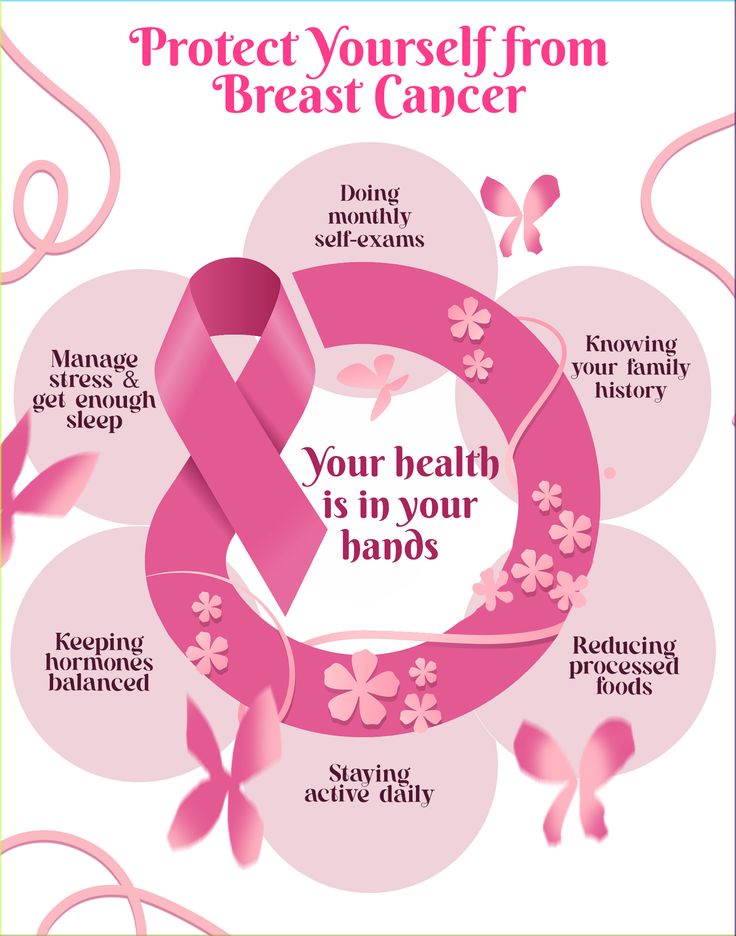
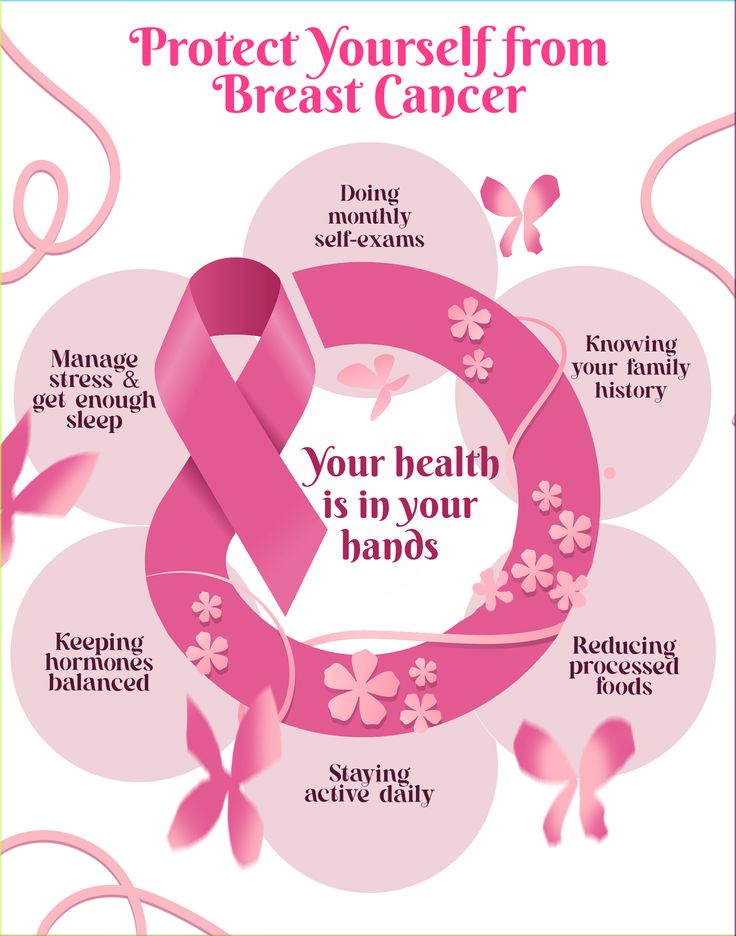
Breast cancer is a serious disease that affects millions of people around the world, especially women. It occurs when cells in the breast begin to grow abnormally and multiply uncontrollably, forming a tumor that can spread to other parts of the body if not treated early. Although medical science has made great progress in managing breast cancer, the disease continues to cause many deaths due to late detection and lack of awareness. This is why breast cancer awareness is very important in reducing its impact on individuals and society.
Breast cancer can develop in any part of the breast, but it most commonly starts in the milk ducts or lobules. The exact cause of the disease is not always known; however, several factors increase the risk of developing breast cancer. These include old age, family history of breast cancer, genetic mutations, and hormonal changes. Lifestyle choices such as poor diet, lack of exercise, obesity, smoking, and excessive alcohol consumption can also increase the risk. Exposure to radiation and long-term use of certain hormonal medications are additional contributing factors.
One of the major challenges of breast cancer is that its early stages may not show obvious symptoms. When symptoms do appear, they may include a lump in the breast or under the armpit, changes in the size or shape of the breast, skin dimpling, nipple discharge, or changes in the nipple. These signs should not be ignored, as early detection greatly improves the chances of successful treatment. Regular breast self-examinations and medical check-ups help in identifying these changes early.
Diagnosis of breast cancer involves different medical tests such as clinical breast examination, mammography, ultrasound scans, and biopsies. Once diagnosed, treatment depends on the stage and type of cancer. Common treatment methods include surgery, chemotherapy, radiotherapy, and hormonal therapy. With early diagnosis and proper treatment, many people diagnosed with breast cancer can live long and healthy lives.
Breast cancer awareness plays a crucial role saving lives. Awareness programs educate people about the risk factors, symptoms, and importance of regular screening. These programs encourage early detection and reduce fear and stigma associated with the disease. Breast Cancer Awareness Month, observed every October, helps to spread information and promote support for those affected by the disease.