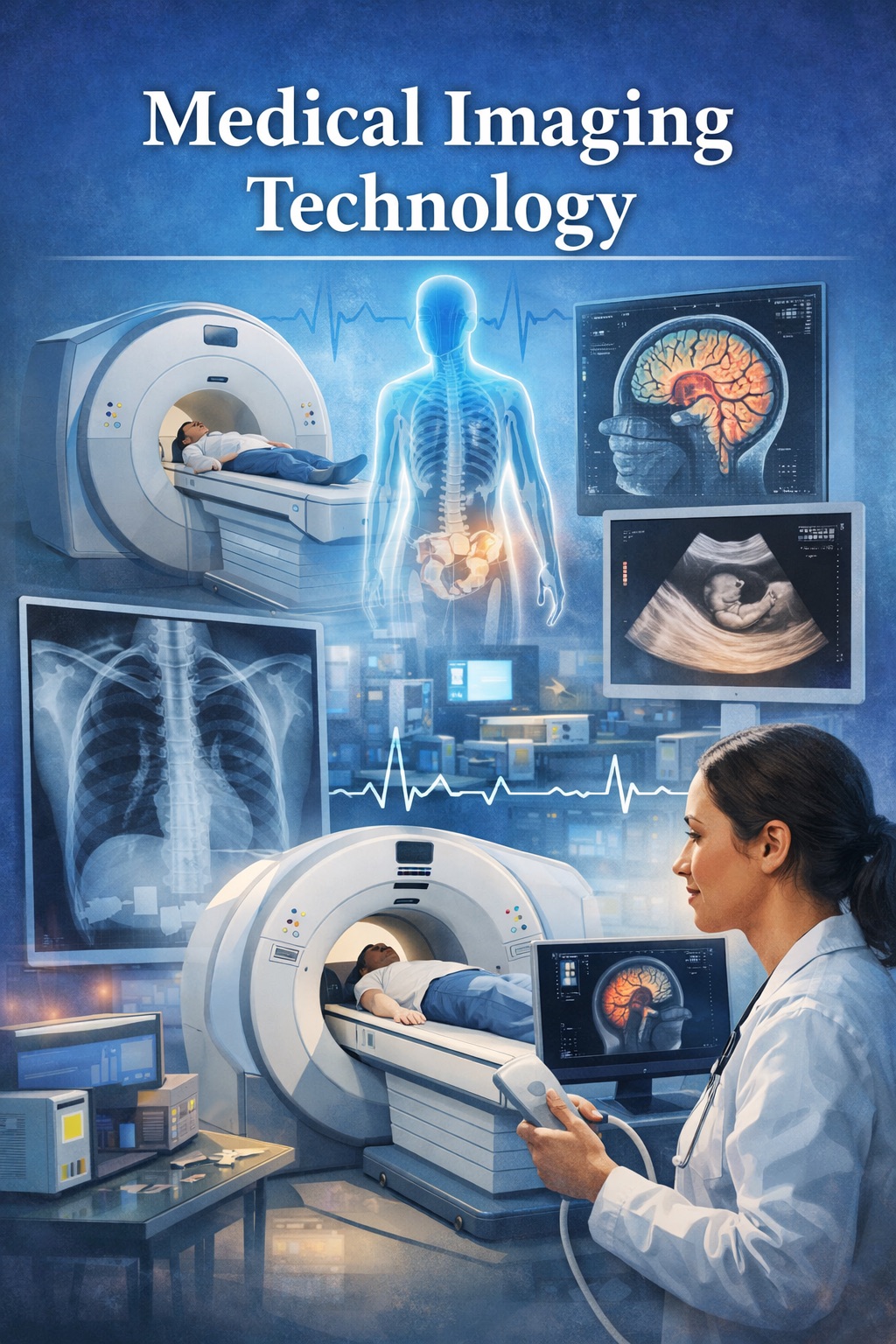
As medical imaging technology continues to develop, there have also been improvements in image quality and precision. Modern machines are now able to produce clearer and more detailed images than older versions. This helps doctors detect even small abnormalities that might have been missed in the past. For example, tiny tumors or minor internal injuries can now be identified at an earlier stage, which increases the chances of successful treatment. The clearer the image, the better the medical decision-making process becomes.
Another important development is the integration of computer systems with imaging equipment. Digital storage allows hospitals to keep patient records safely and access them whenever needed. Instead of relying on printed films that can be misplaced or damaged, medical images are now stored electronically. This makes it easier for doctors to compare past and present scans to monitor changes in a patient’s condition over time. It also allows specialists in different locations to review the same images and give professional opinions.
However, it is also important to consider the safety measures involved in medical imaging. Some imaging techniques, such as X-rays and CT scans, use radiation. Although the levels are generally controlled and considered safe, repeated exposure may carry certain risks. This is why medical professionals carefully decide when imaging is necessary and ensure that patients are not exposed unnecessarily. Protective equipment and strict guidelines are followed to minimize any possible harm.
Furthermore, trained professionals are required to operate imaging machines effectively. Radiologists and medical technicians undergo special training to understand how the equipment works and how to interpret the results correctly. Without proper training, there is a risk of misdiagnosis or technical errors. Therefore, alongside technological advancement, human expertise remains very important in ensuring accurate and safe use of medical imaging technology.