Mononucleosis Explained: What the ‘Kissing Disease’ Really Does to the Body
I know my choice of topic might seem a little unconventional, but curiosity has a funny way of leading us to important conversations. I first came across the word “mono” while reading a novel — one of those enemies-to-lovers plots where assumptions run wild and first impressions are misleading. Let’s pause the book there.
The word itself stood out. It sounded strange, almost casual, yet serious at the same time. That curiosity sent me down a research trail, where I discovered that “mono” is short for mononucleosis, an illness more commonly known as the kissing disease. What began as a passing curiosity quickly turned into an eye-opening lesson on how quietly disruptive this illness can be.
What Is Mononucleosis?
Mononucleosis, often referred to as mono, is a contagious viral infection most commonly caused by the Epstein–Barr virus (EBV). It is transmitted primarily through saliva, which explains its popular nickname. However, reducing the illness to that label does it a disservice.
Mono frequently affects teenagers and young adults and is characterised by symptoms such as extreme fatigue, fever, sore throat, and swollen lymph nodes. Unlike short-lived infections, mononucleosis tends to linger. Symptoms usually appear several weeks after infection and, in some cases, can last for months.
While most people eventually recover with adequate rest and care, the virus itself never fully leaves the body. EBV remains dormant for life, usually without causing further illness — a quiet resident the immune system keeps in check.
How Mononucleosis Is Contracted
Infectious mononucleosis is primarily spread through direct contact with saliva from an infected person. Common routes of transmission include kissing, sharing drinking cups or water bottles, using the same eating utensils, toothbrushes, or lip products, and exposure to respiratory droplets from coughing or sneezing.
In rarer cases, the virus may be transmitted through blood transfusions, organ transplants, or sexual contact. What makes mono particularly tricky is that many people carry and transmit the virus without showing symptoms.
Another challenge is its long incubation period. Symptoms typically develop four to six weeks after exposure, making it difficult to trace when or how infection occurred. Even after recovery, the virus can remain present in saliva for months, extending the contagious period.
Recognising the Symptoms
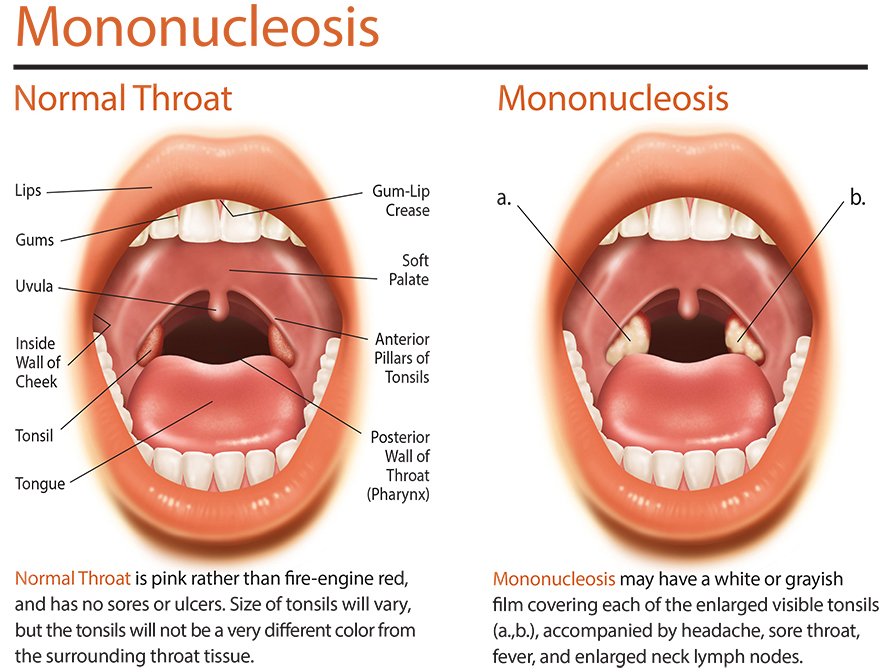
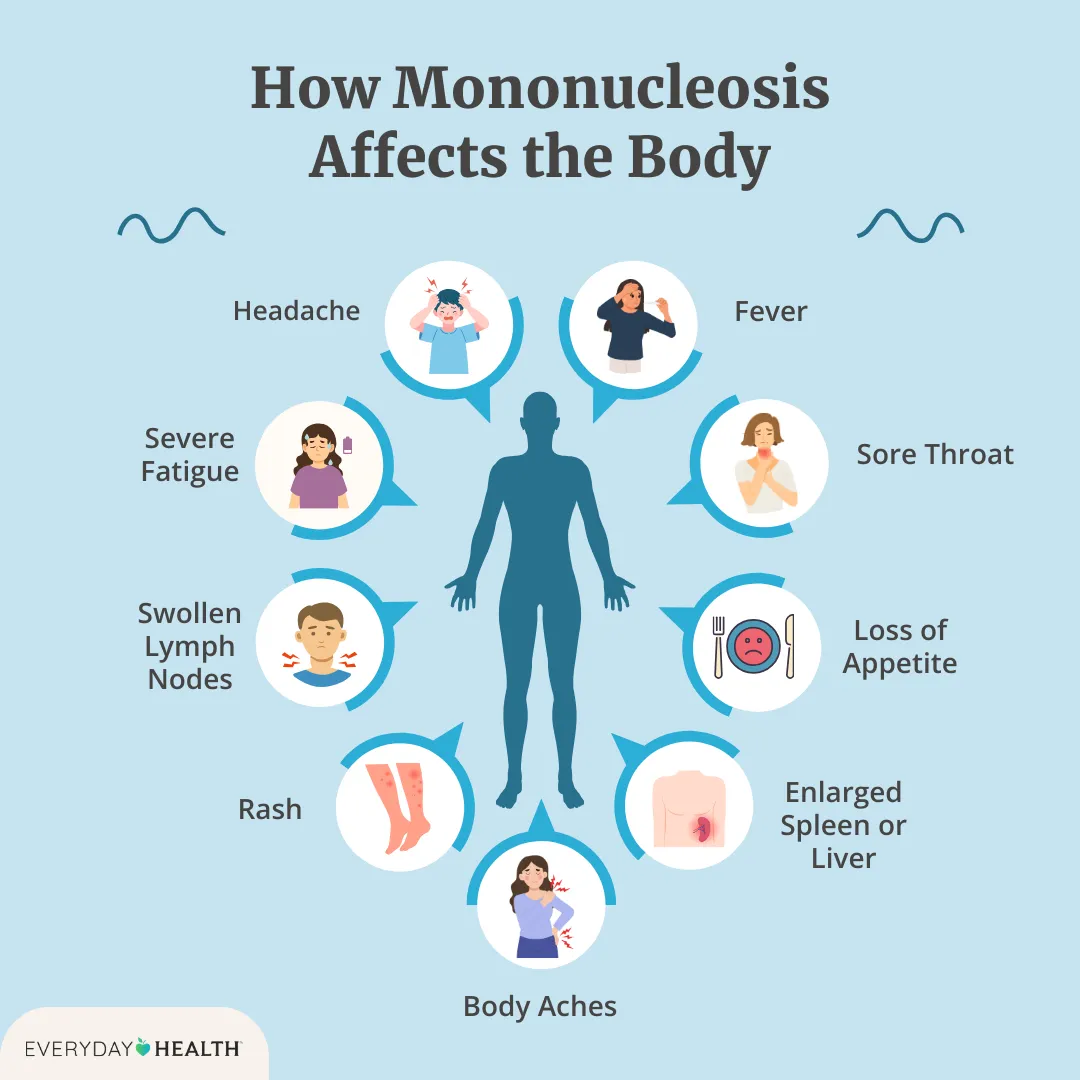
The most defining symptom of mononucleosis is profound fatigue — a type of exhaustion that does not improve with sleep and can persist long after other symptoms fade. Fever and sore throat often appear early, with the throat sometimes becoming severely inflamed and the tonsils swollen or coated.
Swollen lymph nodes, especially in the neck, armpits, and groin, are common and often tender. Headaches, body aches, and general weakness may accompany these symptoms. Some individuals also develop a rash, experience loss of appetite, or notice yellowing of the skin or eyes due to mild liver involvement.
In more serious cases, the spleen or liver may become enlarged. This is especially concerning because an enlarged spleen is vulnerable to rupture, making strenuous physical activity and contact sports dangerous during recovery.
Diagnosis and Treatment
Diagnosing mononucleosis usually involves a physical examination and blood tests that detect antibodies associated with the Epstein–Barr virus. Because mono is viral, antibiotics are ineffective unless a secondary bacterial infection is present. Misuse of antibiotics in such cases offers no benefit and contributes to the broader issue of antibiotic resistance.
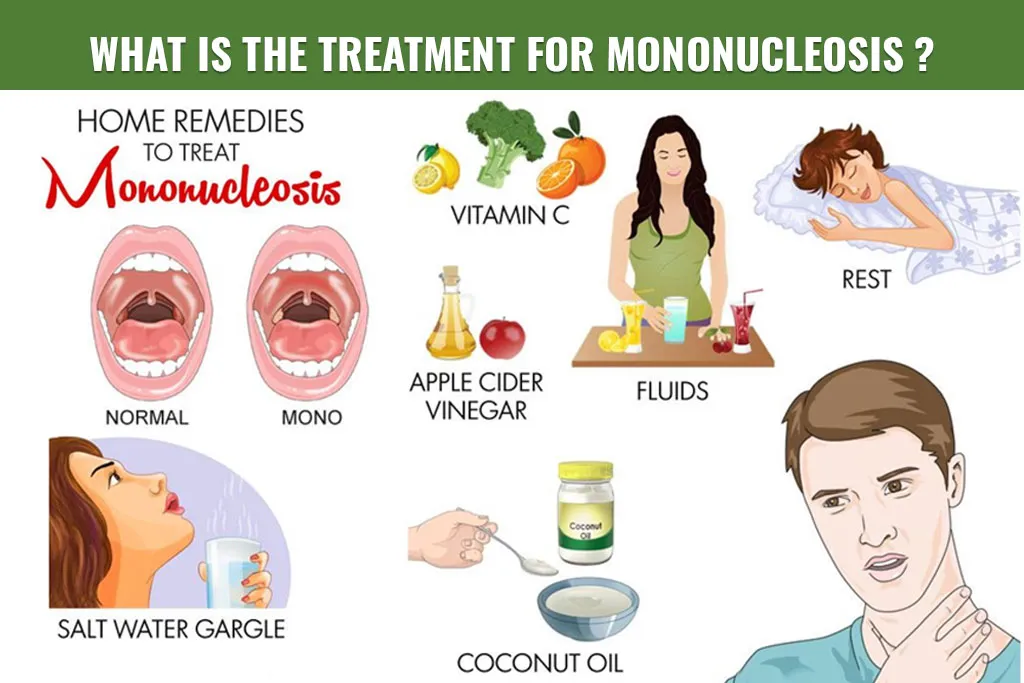
Treatment focuses on supportive care. Rest is essential, not optional. Adequate hydration, balanced nutrition, and appropriate pain relievers can help manage symptoms and support the immune system. Physical exertion should be avoided, especially when the spleen is enlarged, as ignoring medical advice can lead to serious complications.
Most people recover fully, but some experience prolonged fatigue or complications such as liver inflammation or anemia. Persistent or worsening symptoms should always prompt medical attention.
Prevention: Small Habits, Big Difference
Preventing mononucleosis is less about fear and more about awareness. Simple habits — avoiding the sharing of personal items, practicing good hand hygiene, and limiting close contact when someone is visibly ill — significantly reduce the risk of transmission.
While total prevention is unrealistic given how widespread EBV is, informed choices remain a powerful form of protection.
Why Mononucleosis Deserves More Attention
Public perception often downplays mononucleosis because of its casual nickname and slow onset. Yet its impact on daily life, academic performance, and physical well-being can be substantial. Understanding mono encourages earlier diagnosis, better health decisions, and patience with the body’s need for rest.
Mononucleosis is more than a kiss.It is a reminder that common illnesses can carry complex consequences — and that listening to the body is not weakness, but wisdom.