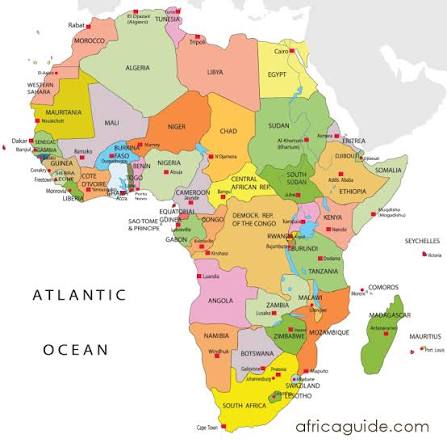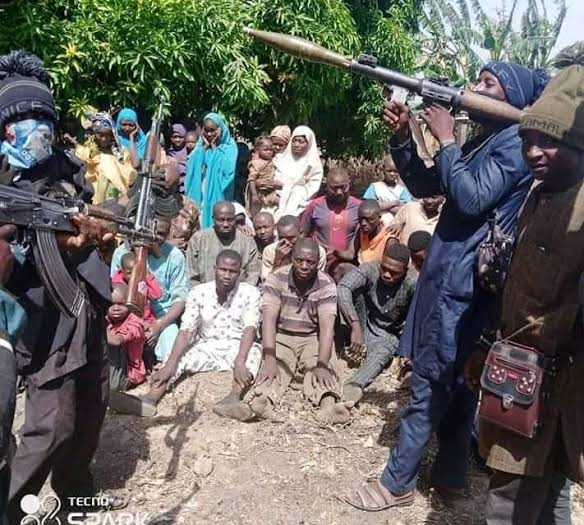
Nigeria is facing a very serious security crisis. Since the start of 2026, banditry and kidnapping have increased sharply, spreading from the North to parts of the South that were once safer. Let’s take a look at the numbers, how the violence has spread, the growing frustration of young Nigerians, and why the government needs to act quickly.
The numbers from early 2026 have been nothing less than shocking. According to a security tracker by HumAngle, at least 624 Nigerians were killed and 419 others were kidnapped in just 28 days in February 2026. The North West region recorded the most attacks. Zamfara State had the highest number with 19, followed by Benue with 15 and Borno with 12.
The Resource Centre for Human Rights and Civic Education, also known as CHRICED, warned that more than 1,000 citizens have been kidnapped since January 2026. The group said Nigeria is falling into a deeper crisis with more violence, weak government responses, and growing public distrust.
Adding to this, security expert Professor Oyesoji Aremu, using data from the National Bureau of Statistics, said Nigeria now has a "ransom economy" driven by banditry and kidnapping networks. He revealed that an estimated 2.2 million kidnapping incidents happened in one year, with ransom payments reaching N2.2 trillion. This shows that kidnapping has become a main source of money for criminal groups.
The Spread of this Violence from South to North
The North is still the worst hit, but the violence is no longer only there. Between January and March 2026, Amnesty International Nigeria reported that at east 1,100 people were kidnapped across northern states.
The South has also seen a troubling rise in attacks. In May 2026, coordinated attacks on schools in Oyo State led to the kidnapping of 39 pupils and 7 teachers. One teacher was reportedly killed.
In Kwara State, bandits attacked communities in March, killing about 170 residents. They struck again in May, killing three worshippers and kidnapping 15 others during a night vigil.
Edo State has also faced its own portion of this uprising crime. In one case, nine family members were kidnapped along the Benin Akure Road, with a demand for N260 million ransom. Four of them are still being held.
Criminal gangs now move freely in forests across Ogun, Oyo, Ondo and Ekiti states. Many farmers can no longer safely go to their farms. The South West region adds between 22 and 30 percent of Nigeria's total wealth. It is now under direct threat, putting both lives and the country's money security at risk.
Nigerian Youths Response
Nigerian Youths are no longer keeping quiet. The National Association of Nigerian Students, or NANS, has called the situation a national emergency. One of its leaders, Mr Olatunji Adejuwon, said the wave of banditry, kidnapping, and killings has become a national emergency that threatens stability, productivity, and peace. He warned that no region is safe.
The Northern Youth Council of Nigeria, or NYCN, has asked security agencies to strictly enforce laws against paying ransoms. The group argued that every ransom paid gives bandits more power and keeps the kidnapping business alive. Its president, Isah Abubakar, said paying ransom helps fund terrorism and destruction. He called for rescue operations led by intelligence, using drones and quick response teams.
The West African Youth Protection and Advocacy Network, or WAYPAN, described the situation as a nation under attack. The group said governments across the country now seem overwhelmed and unable to protect citizens properly. These youth groups have suggested real solutions: using intelligence and technology for operations, strengthening local security efforts, and making ransom payments a crime.
Loss of Trust in Government
People are quickly losing trust in the government's ability to protect them. After the kidnapping of schoolchildren in Oyo State, the federal government stayed quiet for a long time. Many analysts questioned whether the government is ready to deal with growing insecurity.
The National Labour Congress, or NLC, said many people treated the Oyo kidnappings as just another sad headline, with a tired shrug. They said this shows how much we have accepted violence as normal.
The Pentecostal Fellowship of Nigeria, or PFN, warned that the country has lost its sense of value for human life. The group also accused the government of bringing former Boko Haram fighters into the armed forces, a policy they said makes the country less safe.
Former Vice President Atiku Abubakar called the killing of a former lawmaker while in bandits' hands a national tragedy. He blamed the current administration for failing to stop it. This lack of trust grows stronger because many people feel leaders care more about politics than about protecting citizens.
Conclusion
The rise in banditry and kidnapping across Nigeria in 2026 is a national emergency that needs quick and strong action. Violence has spread from the North to the South, threatening lives, money security, and peace. Young Nigerians have made their demands clear: accountability, intelligence led operations, and an end to the ransom economy.
The question is no longer whether the government can beat banditry. The real question we should ask ourselves is whether it has the will to listen to its citizens and take the bold steps needed to bring back safety and trust.
Tell us what you think:
· Have you or anyone you know been affected by kidnapping or banditry in 2026?
· Do you believe the government is doing enough?
· What one solution would make the biggest difference?
Share your thoughts in the comments below