In Haiti’s crowded markets, the cost of survival is rising faster than most families can count. Fuel prices have soared after global oil shocks, pushing the Western Hemisphere’s poorest nation deeper into a humanitarian emergency that aid agencies say is rapidly worsening.
The government’s steep hikes in diesel and gasoline have rippled through every corner of daily life. Transport costs have doubled on some routes, trucks carrying food are fewer, and the price of basic staples has jumped beyond the reach of many households already living on the edge.
Market vendor Mirline Chery says the math no longer works. She pays more for the rice she resells and has raised the price of a simple package of spaghetti, yet her profit has almost vanished. Customers, she explains, are buying in handfuls instead of bags, or walking away empty-handed.
“People are just eating less. You wait until night to eat a light dinner. There’s no way we can eat three times a day anymore,” she says, arranging goods that fewer people can afford.
According to the World Food Programme, nearly half of Haiti’s almost 12 million people face high levels of acute food insecurity. Many already spend most of their income on food, leaving nothing for school fees, medicine or rent. As prices climb, families are forced into impossible choices: skip meals, pull children from school, or go deeper into debt.
“The price of gas is making everything worse. I’m in misery. I can’t get enough to eat. There are no customers to sell to because people don’t come to buy,” says street vendor Manoucheka Jean Louis, waiting by her stall in a thinning crowd.
The World Bank estimates that nearly 40 percent of Haitians survive on less than $2.15 a day. The economy has shrunk for years, while inflation has surged into double digits, eroding already meagre wages and savings.
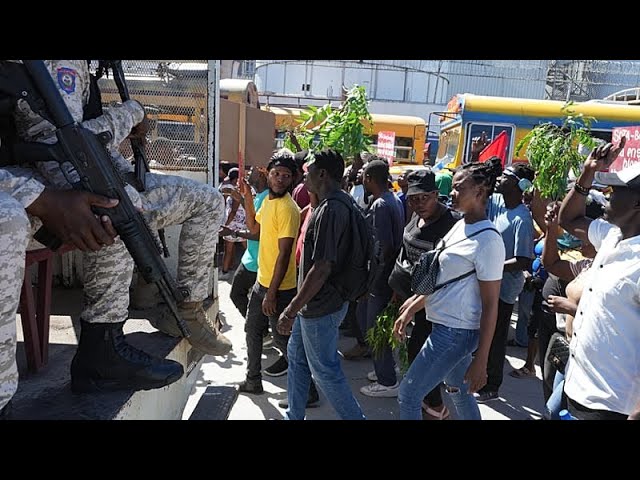
Anger over fuel and food costs has spilled into the streets of Port-au-Prince, where protesters have burned tires and blocked roads in a capital largely controlled by armed gangs. Police have responded with tear gas and crowd-control weapons, adding fear to frustration.
Taxi driver Lucner Saint Louis says passengers now try to barter for cheaper fares, but he cannot afford to say yes. “People are unemployed or their wages are not increasing. We need the state to do something for the population,” he says, as Haiti’s overlapping crises of poverty, hunger and insecurity tighten their grip.