Education in Nigeria is a story of ambition, resilience, and constant reinvention—shaped by history, culture, and the country’s extraordinary diversity. As Africa’s most populous nation, Nigeria carries one of the largest education systems on the continent, educating millions of learners across hundreds of languages, ethnic groups, and socioeconomic realities.
A System Rooted in History
Formal education in Nigeria began during the colonial era, driven largely by Christian missionaries who introduced Western-style schooling in the 19th century. After independence in 1960, education became a central tool for nation-building. Policies such as the Universal Primary Education (UPE) program of the 1970s and the later Universal Basic Education (UBE) scheme reflected Nigeria’s determination to make education accessible to all children, regardless of background.
Structure and Scope
Nigeria operates a 6-3-3-4 system: six years of primary education, three years of junior secondary, three years of senior secondary, and four years of tertiary education. English serves as the official language of instruction, helping unify a nation with over 500 indigenous languages. Alongside public schools, a vast network of private and faith-based institutions has emerged, especially in urban centers, often filling gaps left by underfunded public schools.
Universities and Intellectual Influence
Nigeria is home to some of Africa’s most influential universities, including the University of Ibadan, Ahmadu Bello University, and the University of Lagos. These institutions have produced globally respected writers, scientists, lawyers, and political thinkers. Nigerian academics and students are also prominent in the diaspora, contributing significantly to research, medicine, technology, and the arts worldwide.
Challenges on the Ground
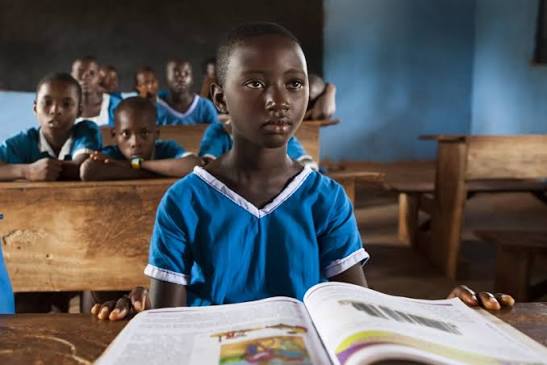
Despite its promise, Nigeria’s education system faces serious challenges. Overcrowded classrooms, insufficient funding, teacher shortages, and frequent strikes in public universities disrupt learning. In some regions, especially in the north, insecurity and poverty have limited school attendance, contributing to one of the highest numbers of out-of-school children in the world.
Innovation and the Future
Yet, innovation thrives amid difficulty. EdTech startups, online learning platforms, and community-led initiatives are reshaping access to education. Young Nigerians are using technology to learn coding, digital design, and entrepreneurship—skills often outside traditional curricula. There is a growing push to reform education so it better aligns with real-world needs and the global economy.
A Reflection of the Nation
Ultimately, education in Nigeria mirrors the country itself: complex, energetic, and full of untapped potential. While challenges remain significant, the Nigerian belief in education as a pathway to progress is deeply rooted. With sustained investment, thoughtful reform, and community involvement, education continues to stand as one of Nigeria’s strongest hopes for national transformation.