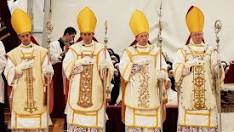
The Vatican has formally declared that a breakaway traditionalist Catholic group and its followers are in schism, imposing the Church’s most severe penalty after the group ordained four bishops without papal approval.
The Society of Saint Pius X, an ultra-traditionalist fraternity founded by French Archbishop Marcel Lefebvre, proceeded with episcopal ordinations despite direct appeals from Pope Leo XIV to halt the ceremony. The Vatican’s doctrinal office responded with a decree stating that the four newly consecrated bishops, along with the two prelates who performed the ordinations, are excommunicated.
Excommunication bars Catholics from receiving the sacraments and holding any official role in the life of the Church. The decree goes further, declaring that priests of the Society and lay people who formally adhere to it are also in schism and therefore excommunicated. It warns clergy and faithful that formally following the group will incur automatic excommunication.
In an earlier appeal, Pope Leo had cautioned that proceeding with the ordinations would constitute a schismatic act and a sin of extreme gravity. The new ruling is notably broader than sanctions imposed in a previous crisis involving the Society, when illicit episcopal ordinations led to penalties limited to the bishops involved.
Later the same day, the doctrinal office outlined a path back to full communion. Priests seeking reconciliation must write personally to the pope requesting that the excommunication be lifted, sign a profession of faith, and pledge not to publicly attack the pontiff or his teachings, among other conditions.
Cardinal Pietro Parolin, the Vatican’s secretary of state, voiced deep sorrow, saying the ordinations “break the unity of the Church” and trigger “very specific sanctions, fundamentally excommunication.” Pope Leo has not commented publicly since the ceremony took place, but has repeatedly stressed that unity with the bishop of Rome is a non-negotiable element of Catholic identity.
The Society of Saint Pius X emerged in opposition to reforms of the Second Vatican Council, particularly changes to the liturgy, teachings on religious freedom, ecumenism, and the council’s strong condemnation of antisemitism. While recent popes had granted the group limited faculties to hear confessions and witness marriages, the latest decree states that any such sacraments celebrated by its clergy are now invalid.
Even as it tightens sanctions, the Vatican insists the door remains open. The doctrinal note emphasizes that the Church “will welcome with sincere affection and active care” all who seek to return to full communion.