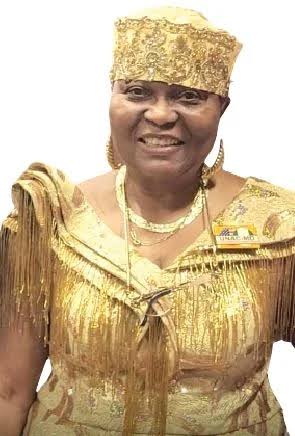
The leader of the United Nigerian Americans Council in Maryland, Dr Chris Ademiluyi, says the organisation is determined to move Nigerian immigrants from the margins of American public life into the centre of political decision-making.
In an interview with Diaspora Tales, Ademiluyi explained that the council, known as UNAC-MD, was formed in 2019 to tackle a persistent problem: thousands of Nigerian Americans who are eligible to vote or run for office but remain largely invisible in the political arena.
“Our vision and dedication continue to guide the organisation’s efforts in advocating greater political participation and representation in Maryland,” she said, stressing that the group’s mission is not partisan but civic. “UNAC-MD is committed to raising awareness and building support within the Nigerian American community.”
Ademiluyi noted that many first-generation Nigerians arrive in the United States focused on education, professional success and supporting relatives back home, often leaving politics for later. The result, she argued, is that policies affecting immigration, education, housing and small business are shaped without their voices at the table.
The council responds by organising voter registration drives, civic education workshops and mentorship programmes for aspiring candidates of Nigerian descent. The goal is to build a bloc of informed, consistent voters who understand local issues and can influence outcomes in school boards, city councils and state legislatures.
Ademiluyi highlighted a distinctive feature of the community’s political culture. Many Nigerian Americans, she said, are wary of donating money to campaigns, shaped by experiences of corruption and mistrust of political spending in their country of origin. UNAC-MD therefore frames the ballot as their most powerful currency.
“The organisation promotes and acknowledges the unique perspective of its members: while they may not believe in making direct financial contributions to politicians, their votes are viewed as a powerful form of support,” she said.
For Ademiluyi, encouraging Nigerians to run for office is the next logical step. She argues that candidates who understand both American institutions and the realities of immigrant life can bridge gaps on issues such as policing, healthcare access and language barriers.
Ultimately, she insists, the push is not only about Nigerian pride but about strengthening American democracy. “When communities like ours participate fully,” she said, “the system becomes more representative, more responsive and more just for everyone.”