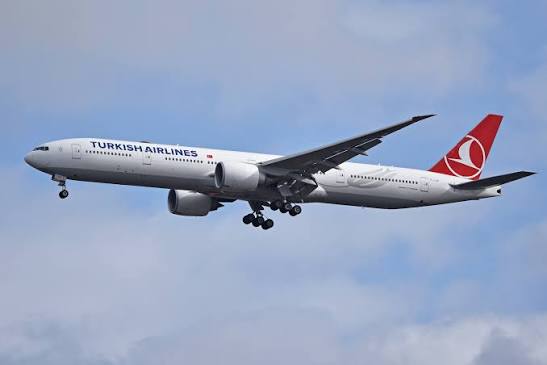
Turkish Airlines has suspended multiple flights to Tehran as protests over Iran’s worsening economic crisis intensify, disrupting one of the busiest air corridors between Turkey and the Islamic Republic.
According to live flight information from Istanbul Airport, the carrier cancelled five scheduled Friday services to the Iranian capital. The move came amid mounting unrest in several Iranian cities, where demonstrators have taken to the streets to denounce soaring prices, a collapsing currency and years of sanctions that have eroded living standards.
Airport data also showed that five flights operated by Iranian airlines on the same route were cancelled, while seven others remained on the board as scheduled, underscoring the uncertainty gripping air travel in and out of Iran. The patchwork of cancellations and departures reflects both operational caution and the political sensitivity surrounding the protests.
Turkish officials have so far refrained from publicly commenting on the situation in Iran or on the specific reasons for the flight suspensions. In similar regional crises, airlines have typically cited security assessments, insurance constraints and airspace risk as key factors in decisions to halt or reroute services.
The unrest in Iran has erupted against the backdrop of a deepening economic malaise. Years of international sanctions, mismanagement and corruption have left the country’s economy fragile. The government has struggled to contain inflation and stabilise the national currency, while also dealing with the financial and political fallout of its confrontation with Israel, including a recent conflict that further strained state resources and heightened regional tensions.
Protesters have directed their anger not only at economic hardship but also at the broader political system overseen by Supreme Leader Ayatollah Ali Khamenei. Demonstrations have been reported in multiple provinces, with crowds chanting against corruption, demanding accountability and, in some cases, calling for sweeping political change.
Rights groups say the state’s response has been harsh. Iran Human Rights, a Norway-based organisation that monitors abuses in the country, has accused security forces of using live ammunition against demonstrators. The group reports that at least 45 protesters, including eight minors, have been killed since the latest wave of demonstrations began, though the true toll may be higher given restrictions on independent reporting and internet access.
Witness accounts and videos verified by rights monitors show heavily armed security units deployed in restive areas, firing tear gas and, in some instances, live rounds to disperse crowds. Authorities have also reportedly carried out mass arrests, targeting activists, students and labour organisers who have played prominent roles in mobilising protests.
The unrest has had immediate repercussions for regional aviation. Flight-tracking services show that a Turkish Airlines service bound for Shiraz and a Pegasus Airlines flight to Mashhad both turned back after entering or approaching Iranian airspace on Thursday night, returning to Turkey rather than continuing to their destinations. Such in-flight reversals are rare and typically indicate a sudden reassessment of risk, whether due to security alerts, airspace restrictions or concerns about conditions on the ground.
Turkey and Iran share a border of roughly 500 kilometres, with three active land crossings that serve as vital arteries for trade, tourism and labour migration. In recent years, Turkey has become a key transit hub for Iranians seeking to travel to Europe, Asia and beyond, with Istanbul’s airports handling a significant volume of connecting traffic. Any prolonged disruption to flights could therefore have wide-ranging implications for business, family visits and medical travel, as well as for Iranian expatriates who rely on Turkish hubs to reach home.
For Ankara, the crisis in Iran presents a delicate diplomatic challenge. Turkey and Iran are regional rivals but also pragmatic partners, cooperating on issues such as border security, energy and trade while backing opposing sides in conflicts like Syria. Publicly criticising Tehran’s handling of domestic unrest could strain that relationship, yet instability next door carries risks for Turkey, including potential refugee flows, cross-border smuggling and disruptions to commerce.
Analysts note that airlines often act as early indicators of shifting risk calculations. When carriers suspend or divert flights, it can signal growing concern among governments, insurers and aviation authorities about the safety of airspace or airports in a given country. In Iran’s case, memories remain fresh of past aviation tragedies linked to regional tensions, making operators particularly cautious.
Inside Iran, the protests show no sign of abating despite the crackdown. Economic grievances have repeatedly sparked unrest in recent years, but each new wave appears to draw in a broader cross-section of society, from industrial workers and teachers to students and middle-class professionals squeezed by inflation and unemployment. The government has alternated between promises of reform and hardline repression, yet structural problems persist.

.jpeg?alt=media&token=96b327a5-8e62-4ed1-a078-308aff149ed1)