Nigerians are being told once again to “expect relief” from endless blackouts, as the Federal Government rushes to manage the fallout from a gas supply crisis that it allowed to spiral out of control.
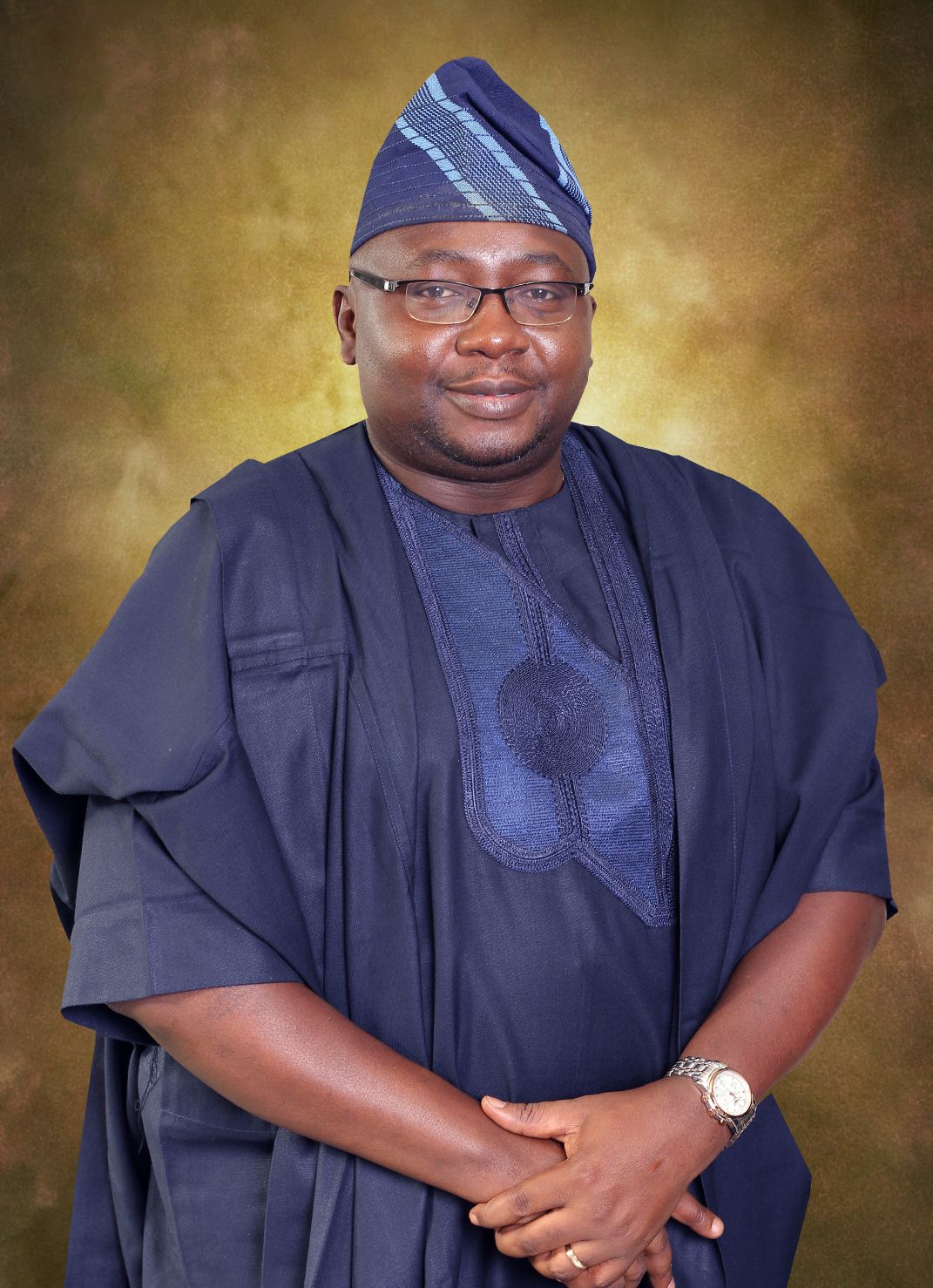
Power Minister Adebayo Adelabu is now claiming that government “interventions” are starting to ease the severe gas shortages that have crashed electricity generation and plunged homes and businesses into darkness for weeks.
According to Adelabu, the administration is suddenly rolling out what he calls “concrete, targeted measures” to stabilise gas deliveries to thermal power plants, which still provide most of the country’s electricity despite years of reform promises and policy speeches.
The crisis did not appear overnight. Gas producers slashed supplies to power plants after unpaid debts reportedly ballooned to about N3.3 trillion, a staggering figure that exposes how deeply the sector has been mismanaged. The head of the Association of Power Generation Companies, Joy Ogaji, has already warned that the entire system is edging toward collapse under the weight of these liabilities.
Official data from the Nigerian Independent System Operator confirms what Nigerians already feel in their homes: power generation has dropped below 4,000 megawatts, nowhere near what the country needs. Thermal plants require roughly 1,629.75 million standard cubic feet of gas per day to function properly, but they are getting less than half of that, making any talk of “stable supply” sound more like spin than reality.
The timing could hardly be worse. Fuel prices are up, temperatures are soaring, and public anger is rising with them. Consumers across all tariff bands are reporting longer and more frequent outages, while businesses are burning through cash to keep diesel and petrol generators running just to survive.
Still, Adelabu insists that fixing gas constraints is “central” to stabilising the grid and restoring confidence in the power sector. He links the current flurry of activity to President Bola Tinubu’s broader economic agenda and points to recent presidential meetings with foreign partners as the magic key that will supposedly unlock new investment for power projects.
In a familiar script, the minister is asking Nigerians for more patience, describing the current hardship as a necessary “transition” toward a stronger electricity system. He even appealed to the “discipline and sacrifice” shown during Ramadan, effectively framing public endurance of blackouts and high costs as a patriotic duty.
Despite years of similar assurances, Adelabu maintains that with “consistent policy implementation,” better liquidity in the market, and restored gas supply to power plants, the government is confident that Nigerians will “soon” see real improvements in electricity supply. For now, however, the lights remain off in many parts of the country, and citizens are left to decide how much longer they are willing to believe the promises.
.jpeg?alt=media&token=96b327a5-8e62-4ed1-a078-308aff149ed1)