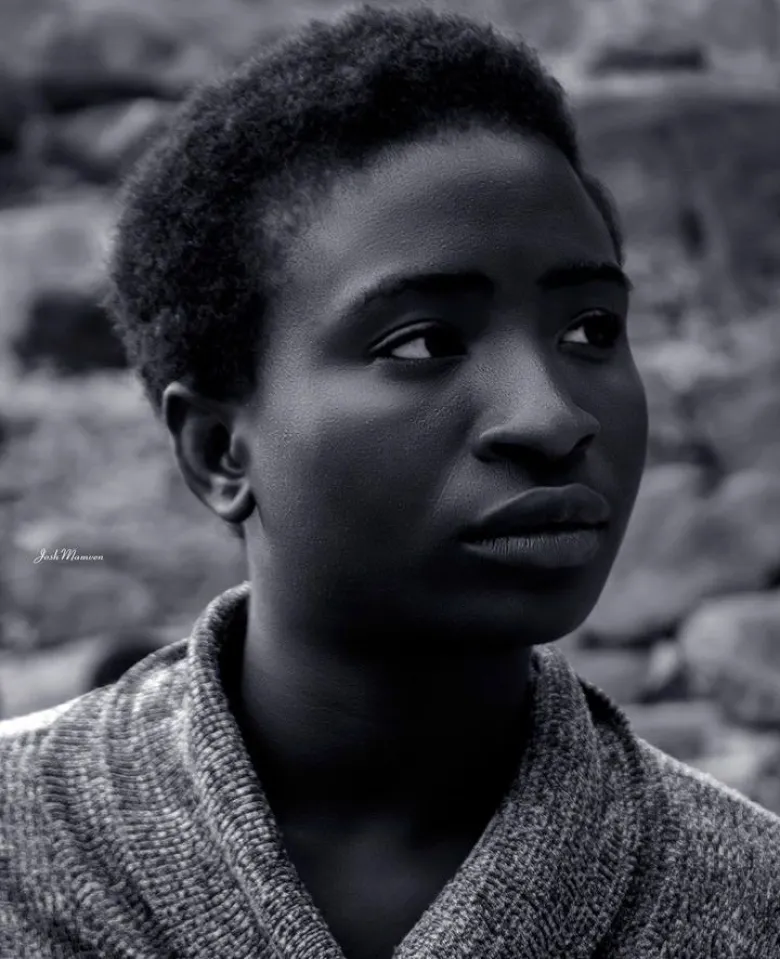
As she walked through the bustling streets of her neighborhood, 25-year-old Maya couldn't help but feel a sense of pride and resilience. She had grown up in this community, where the sounds of jazz and Afrobeat filled the air, and the smell of jollof rice wafted from the local restaurants.
But beneath the vibrant surface, Maya knew that her community faced struggles that were often invisible to the outside world. Struggles that came from systemic racism, police brutality, and economic inequality.
Maya's own brother, Jamal, had been a victim of police brutality just a year ago. He had been stopped by the police for "matching the description" of a suspect, and was beaten so severely that he was hospitalized for weeks.
The incident had left Maya's family shaken, but it had also sparked a sense of activism within her. She began attending Black Lives Matter rallies and protests, using her voice to demand justice and equality for her community.
One day, Maya met a young boy named Kofi, who had lost his father to police violence. Kofi was only 10 years old, but he had already experienced more trauma than most people face in a lifetime.
Maya took Kofi under her wing, becoming a mentor and a source of support for him. Together, they attended rallies and protests, using their voices to demand change.
As Maya looked at Kofi, she saw a reflection of her own struggles, and the struggles of her community. She knew that the fight for justice and equality was far from over, but she also knew that as long as they stood together, they could overcome anything.
"Black lives matter," Maya chanted, her voice ringing out through the streets.
"Black lives matter," Kofi echoed, his small voice filled with determination.
Together, they marched on, their footsteps a testament to the power of resilience and the unbreakable spirit of their community.