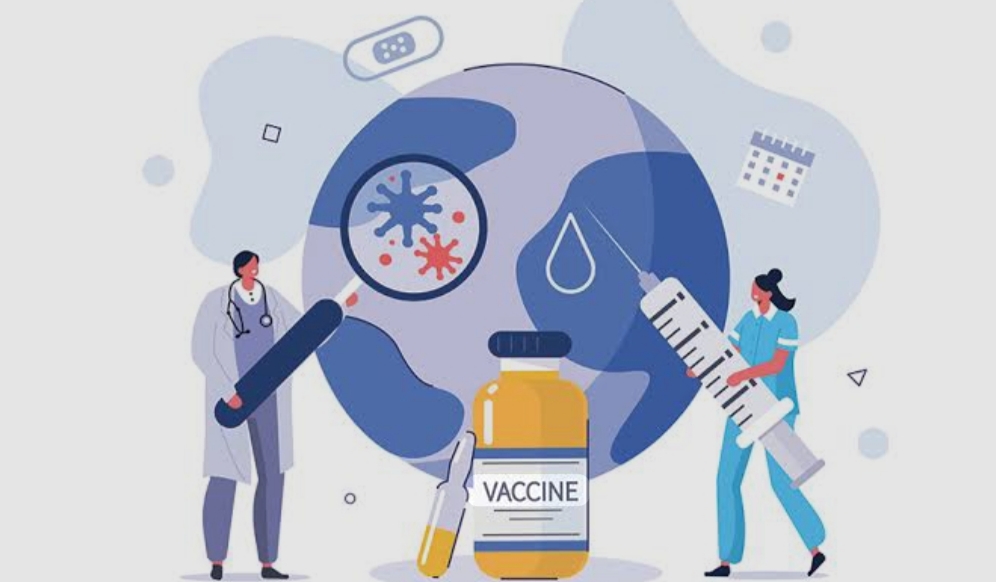
How Vaccines Work in the Human Body
Vaccination is one of the most important medical advancements in human history. Over the years, vaccines have prevented millions of deaths and significantly reduced the spread of infectious diseases across the world. The recent global experience with COVID-19 reminded humanity of the power of vaccines in controlling outbreaks and saving lives. Understanding how vaccines work in the human body is essential in reducing fear, misinformation, and vaccine hesitancy, especially in an era where public health decisions greatly impact global safety.
The human body is naturally equipped with a defense system known as the immune system. This system protects the body against harmful organisms such as viruses and bacteria. The immune system operates through two major components: innate immunity and adaptive immunity. Innate immunity serves as the body’s immediate and general defense mechanism. It reacts quickly to invading pathogens but does not specifically target particular organisms. Adaptive immunity, on the other hand, is more specialized. It identifies specific pathogens, produces targeted responses, and most importantly, remembers them for future protection.
Vaccines primarily work by stimulating the adaptive immune system. When the body encounters a pathogen for the first time, it produces proteins called antibodies that attach to and neutralize the invading organism. After the infection is cleared, the immune system retains memory cells that recognize the pathogen. If the same pathogen enters the body again, the immune response is faster and stronger, often preventing severe illness. Vaccines take advantage of this natural process by introducing a harmless form or component of a pathogen into the body. This allows the immune system to build protection without the individual having to suffer from the actual disease.
During the COVID-19 pandemic, vaccination played a critical role in reducing severe illness, hospitalization, and death. Vaccines such as the Pfizer-BioNTech COVID-19 Vaccine and the Moderna COVID-19 Vaccine used modern mRNA technology to teach the body how to recognize the virus safely. As scientific evidence showed that immunity could decrease over time, booster doses were introduced to strengthen immune memory and improve protection against emerging variants. The global vaccination campaign demonstrated how rapidly modern science can respond to new and evolving health threats.
Beyond individual protection, vaccines play a crucial role in safeguarding entire communities. When a large proportion of the population is vaccinated, the spread of disease is significantly reduced, a concept known as herd immunity. This collective protection is especially important for vulnerable individuals who cannot be vaccinated due to medical conditions. Vaccination has successfully eliminated smallpox worldwide and has drastically reduced diseases such as polio and measles in many parts of the world. Continued vaccination efforts are therefore essential to prevent the re-emergence of these preventable diseases.




.jpeg?alt=media&token=96b327a5-8e62-4ed1-a078-308aff149ed1)