Inside the Living Web: How Ecosystems Work and Why Greenhouses Matter More Than Ever
Walk into a forest, a garden, or even a quiet patch of grass, and you’re stepping into something far more complex than it looks. Beneath the leaves, inside the soil, and floating in the air is a delicate network of life working together. This network is called an ecosystem, and it’s one of nature’s most fascinating systems.
What Exactly Is an Ecosystem?
An ecosystem is basically a community of living organisms interacting with their physical environment. Plants, animals, microorganisms, soil, water, sunlight, and even temperature all play a role. Nothing in an ecosystem exists completely on its own.
Take a simple example: a tree. It absorbs sunlight and carbon dioxide to make food through photosynthesis. Birds may nest in its branches, insects feed on its leaves, fungi break down fallen bark, and the soil around it stores nutrients that help it grow. Each part depends on the others in some way.
When one piece changes, the entire system can feel the impact. If pollinating insects decline, many plants struggle to reproduce. If a plant species disappears, animals that rely on it for food may also decline. Ecosystems are like a carefully balanced web.
The Role of Plants: Nature’s Energy Source
Plants are the backbone of most ecosystems. They capture energy from the sun and convert it into food that other organisms can use. Because of this, they are known as producers in the food chain.
Herbivores eat plants, carnivores eat herbivores, and decomposers such as bacteria and fungi break down dead matter and return nutrients to the soil. This continuous cycle keeps ecosystems functioning.
Without plants, the entire chain collapses.
Enter the Greenhouse: A Controlled Ecosystem
While natural ecosystems exist outdoors, humans have created controlled environments to grow plants more efficiently. One of the most important of these is the greenhouse.
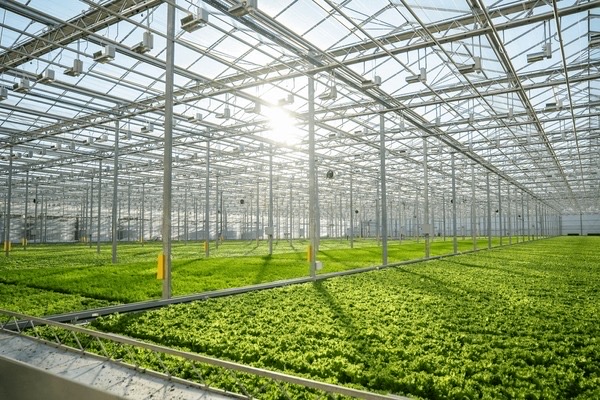
A greenhouse is a structure—usually made of glass or transparent plastic—that allows sunlight to enter while trapping heat inside. This creates a warm, stable environment where plants can grow even when outdoor conditions are not ideal.
Farmers and gardeners use greenhouses to:
- Grow crops during colder seasons
- Protect plants from harsh weather
- Control humidity, temperature, and light
- Reduce pest damage
Inside a greenhouse, conditions can be adjusted to help plants thrive. In many ways, it’s like building a small, carefully managed ecosystem.
Why Greenhouses Matter Today
As climate patterns become more unpredictable, greenhouses are becoming increasingly valuable in agriculture. They allow farmers to produce food more consistently, even when weather conditions outside are unstable.
Greenhouse farming can also use water and space more efficiently. Techniques like drip irrigation and vertical planting help reduce waste while maximizing crop yields.
In urban areas, greenhouses are even appearing on rooftops and in community gardens, helping cities produce fresh vegetables locally.
The Bigger Picture
Both ecosystems and greenhouses remind us of an important truth: life depends on balance.
Natural ecosystems show us how interconnected the planet truly is. Greenhouses, on the other hand, demonstrate how humans can work with nature—rather than against it—to grow food and support life.
The more we understand these systems, the better we can protect the environments that sustain us. After all, whether it’s a rainforest, a backyard garden, or a greenhouse full of tomatoes, every ecosystem tells a story about how life on Earth stays alive and connected.