Twinkle, twinkle, little star, how I wonder what you are…
And it’s not just you and me asking that question. Scientists are wondering too, staring at the same sky, with telescopes, data, and curiosity that refuses to settle. The wondering is shared; the tools are just different.
But sometimes, stars don’t just twinkle. Some stars don’t do small they go extra. They pull out all the fireworks, blasting light and energy like the universe is throwing a party, and everyone’s invited.
Some stars are like that car you see on the street, quiet at first, and then suddenly pulls out all the rockets, tires spinning, lights flashing, leaving everyone staring in disbelief. That’s the vibe of a superkilonova.
Now, you’re probably thinking: “Super kilo nova? Super kilo va? What is that?”
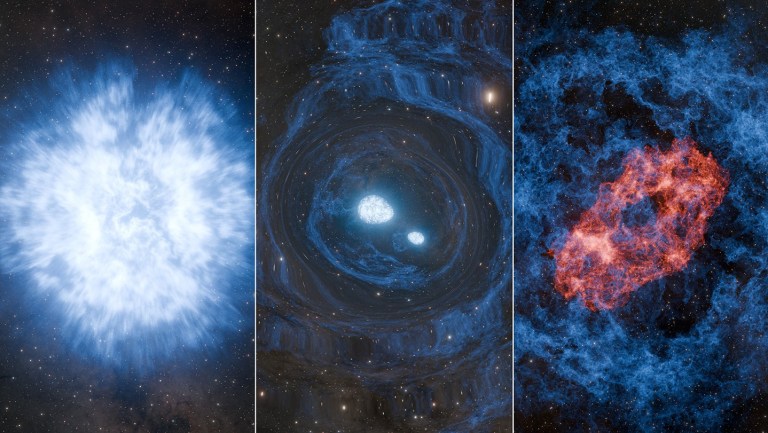
A kilonova happens when two neutron stars collide. Neutron stars are ultra-dense leftovers of massive stars. When they smash into each other, they release enormous energy, light up the sky, and create heavy elements like gold and platinum. Basically, they are cosmic treasure makers.
A superkilonova is like a kilonova on steroids. It’s brighter, more powerful, and might be a new type of stellar explosion. Scientists are still figuring out why this one was so extreme, but it’s already teaching us new things about how stars live, die, and scatter matter across the universe.
Every superkilonova spreads elements across space. Gold? Platinum? Heavy elements that exist in jewelry, electronics, and even the devices we use today, some of it comes from these stellar fireworks. Observing these explosions helps scientists understand the life cycles of stars and how the universe builds the elements that make planets and life possible.
Sometimes stars don’t just twinkle. Sometimes they go extra, telling astronomers that they won’t see them coming because they are the ones in control and will write their story by themselves.
11