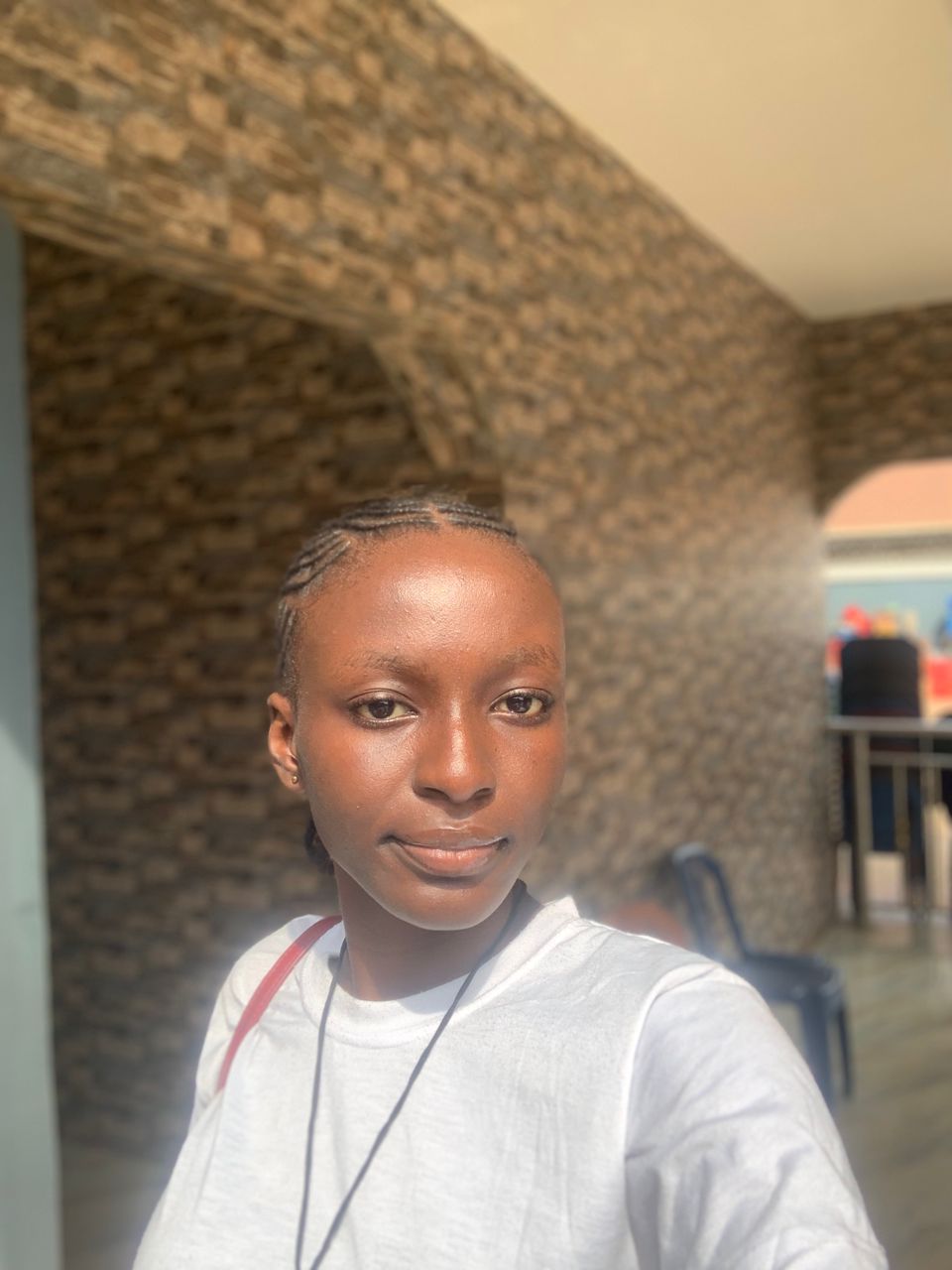
Not Every "Strong Woman" Is Okay
She shows up.
She meets deadlines.
She checks on everyone.
She remembers birthdays.
She smiles in pictures.
She encourages others.
She keeps moving.
And because she keeps functioning, everyone assumes she's fine.
But functioning and flourishing are not the same thing.
Some of the women carrying the heaviest emotional burdens are the ones who look like they have everything under control.
Some call it being "strong."
Mental health professionals often describe a similar pattern as functional depression or high-functioning depression. It doesn't always look like someone who cannot get out of bed. Sometimes it looks like someone who gets everything done while quietly feeling empty inside.
That is what makes it so difficult to recognize.
Many strong women learned very early that their emotions had to come second.
Perhaps they became caregivers as children.
Perhaps they had to grow up too quickly.
Perhaps they were praised only when they were helpful, responsible, or selfless.
So they learned to carry everyone else's burdens while quietly hiding their own.
Over time, strength became their identity.
But there is a difference between being strong and never allowing yourself to be human.
You may be the person everyone runs to.
But who do you run to?
You may know how to comfort others.
But when was the last time someone truly asked how you were doing—and waited long enough to hear the honest answer?
Silent suffering is dangerous because it often goes unnoticed.
You laugh at the jokes.
You attend the meetings.
You post on social media.
You keep achieving.
Yet every night, you feel emotionally exhausted.
Not because you are weak.
Because you have been carrying too much for too long.
One of the greatest lies strong women believe is this:
"If I stop, everything will fall apart."
So they keep going.
Ignoring the headaches.
Ignoring the anxiety.
Ignoring the tears that come unexpectedly.
Ignoring the loneliness.
Until one day, the body and mind decide they can no longer carry what the heart refuses to acknowledge.
Real strength is not pretending you have no needs.
Real strength is allowing yourself to receive care, not just give it.
It is saying, "I need help."
It is resting without guilt.
It is crying without apologizing.
It is choosing healing instead of constantly performing strength.
If you are the strong woman everyone depends on, hear this:
You deserve to be cared for too.
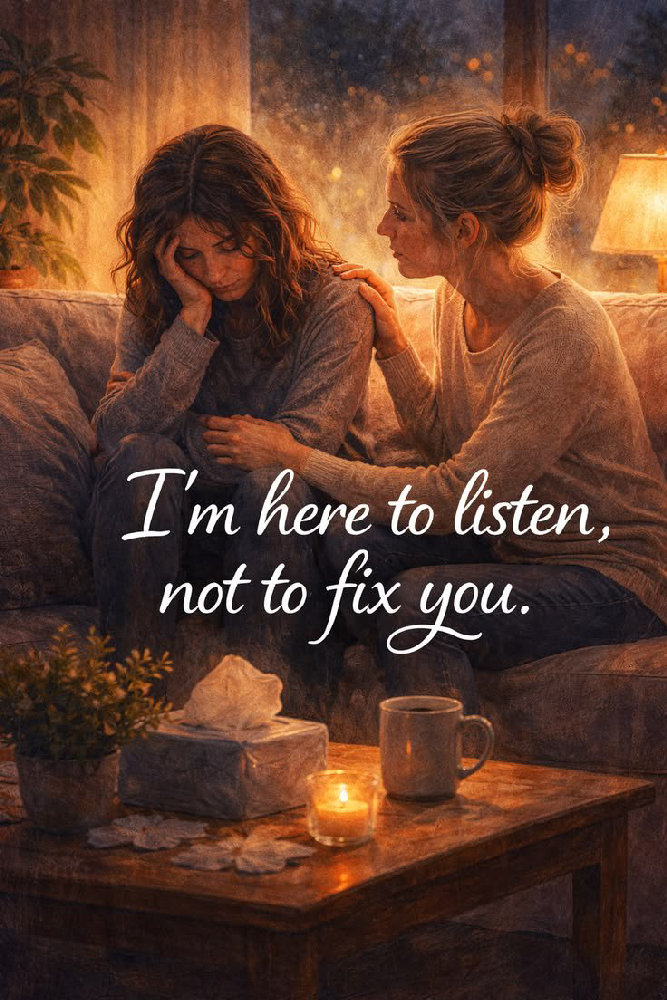
You deserve safe spaces where you don't have to have all the answers.
You deserve relationships where you can put down the emotional weight you've been carrying.
You are allowed to be strong.
But you are also allowed to be tired.
You are allowed to be resilient.
But you are also allowed to be honest.
Strength should never cost you your well-being.
The strongest thing you may ever do is let someone see that you are human.
7