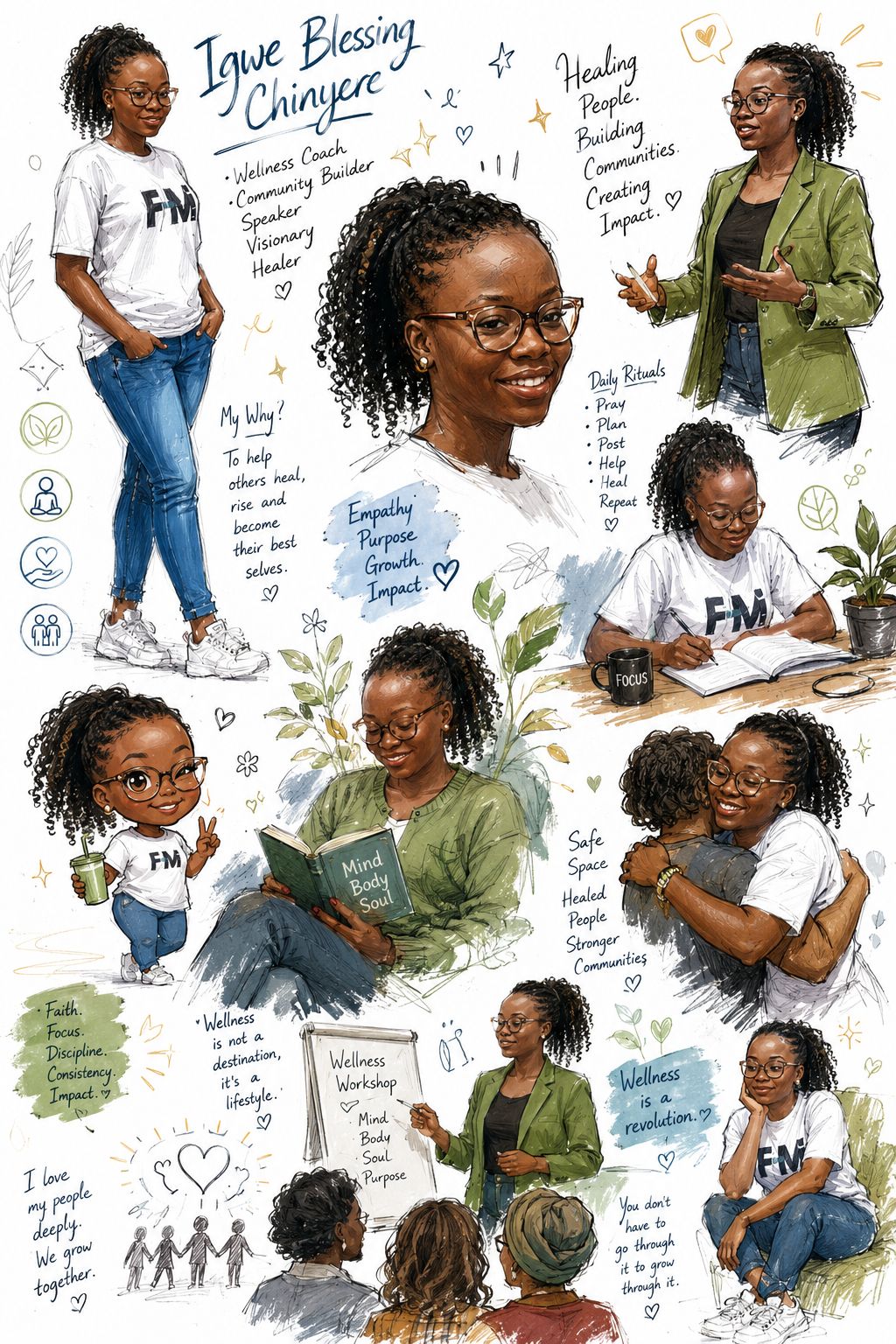
Strong women are often admired. They are the ones who “handle everything,” solve problems, stay calm under pressure, and keep going even when things are falling apart. But what people rarely see is the emotional weight behind that strength.
Many strong women struggle to ask for help because strength became survival early in life. Somewhere along the line, they learned that depending on others leads to disappointment, so they adapted. They became self-reliant not because they wanted to, but because they had to.
Over time, that survival skill became identity.
So even when they are overwhelmed, asking for help feels unnatural. It feels like failure. It feels like exposing something they have worked hard to hide—their limits.
Another reason is expectation. Once people label you as “strong,” they stop checking on you deeply. They assume you are fine. And you begin to protect that image. You don’t want to be the one who “cannot handle it,” so you keep pushing.
There is also fear of being a burden. Strong women often carry the belief that their needs are too much or that others already have enough to deal with. So instead of reaching out, they internalize everything.
But strength was never meant to mean isolation.
Even emotionally strong people are still human. They still get tired. They still need support. They still need safe spaces where they can drop their guard.
The real issue is not strength—it is imbalance. Carrying everything alone for too long creates emotional pressure that eventually shows up as burnout, anxiety, or emotional numbness.
Learning to ask for help is not weakness. It is emotional maturity. It is recognizing that you are not meant to be the only support system in your life.
Real strength is being able to say, “I need help right now.” It is trusting others enough to let them see your vulnerability. It is allowing yourself to be supported without guilt.
Because healing does not only happen when you learn how to stand alone.
It also happens when you finally allow yourself to be held.