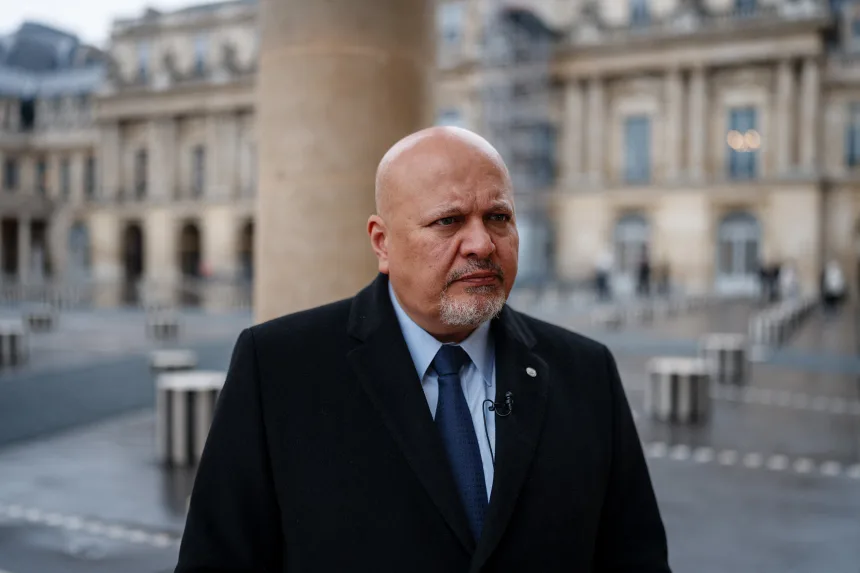
The International Criminal Court (ICC) is facing renewed scrutiny ahead of a crucial vote by its member states on whether Chief Prosecutor Karim Khan should remain in office following allegations of sexual misconduct, which he has consistently denied.
The decision is expected on July 24 after an investigation into complaints made by an ICC employee identified as Sarah, a Malaysian lawyer who joined the court in 2017 and became Khan's direct assistant in February 2023.
Speaking publicly for the first time in an interview with CNN, Sarah alleged that Khan's behaviour escalated over time, beginning with what she described as gradual boundary violations before becoming increasingly physical.
She claimed there was a significant imbalance of power between them, making genuine consent impossible.
"There is no way for something to be consensual when you have such a power disparity," she said, adding that Khan was not only her supervisor but also the head of the institution.
The disciplinary matter has now been referred to the ICC's 125 member states, which will decide whether any action should be taken against the chief prosecutor.
Khan and his supporters have maintained that the allegations are politically motivated and intended to damage his credibility, particularly following his pursuit of arrest warrants against senior Israeli officials.
His lead counsel, Sareta Ashraph, said the accusations had been treated seriously and subjected to a thorough investigation and judicial review.
She stressed that Khan has categorically denied all allegations, including any claims of a sexual or inappropriate relationship with the complainant.
According to reports, a confidential investigation by the United Nations Office of Internal Oversight Services (OIOS) found there was a factual basis for the allegations. However, a separate panel of ICC judicial experts concluded in March that there was insufficient evidence to establish misconduct beyond a reasonable doubt.
In previous submissions to investigators, Khan denied engaging in harassment, abuse of authority or any inappropriate conduct. He also argued that his security arrangements during official travel made it unlikely he could leave his accommodation unnoticed.
Sarah disputed that explanation, saying Khan occasionally asked whether she felt uncomfortable after certain interactions but suggesting he was not genuinely seeking an answer.
She also rejected suggestions that she was acting on behalf of any government or political interest to undermine the prosecutor, insisting that her complaint was independent of the ICC's ongoing international investigations.
"I fully and entirely support the court's investigations," she said, adding that others had wrongly linked her allegations to broader geopolitical issues.
The controversy has expanded following the emergence of a second accuser, identified as Patricia, who worked as an intern under Khan in 2009.
Patricia told investigators she decided to come forward after reading reports about Sarah's allegations. She claimed Khan repeatedly made unwanted advances toward her during her internship, including alleged groping, unwanted kissing and attempts to initiate intimate contact.
She described one incident in which she said she felt frozen and unable to resist while he allegedly touched her inappropriately at her desk.
Patricia said she chose to speak out to reassure other women who may have had similar experiences that they were not alone.
Karim Khan continues to deny all allegations against him as the ICC's member states prepare to decide his future leadership of the court.



.jpeg?alt=media&token=96b327a5-8e62-4ed1-a078-308aff149ed1)