When people hear the words HIV or AIDS, many still react with fear. Some immediately think of death, while others believe the disease only affects certain groups of people. Unfortunately, these misconceptions continue to create stigma and discrimination against people living with HIV. The truth is that HIV is a health condition that can affect anyone, regardless of age, gender, religion, or social status. Today, with proper treatment and support, people living with HIV can enjoy long, healthy, and productive lives.
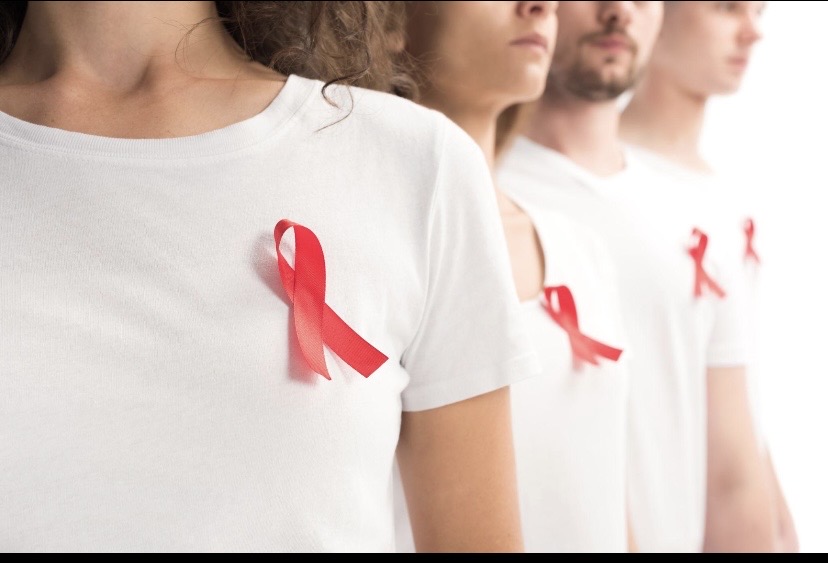
Human Immunodeficiency Virus (HIV) is a virus that attacks the body’s immune system, making it difficult to fight infections and diseases. If left untreated, HIV can develop into Acquired Immunodeficiency Syndrome (AIDS), the most advanced stage of the infection. However, due to advances in medicine, many people diagnosed with HIV today never develop AIDS because they begin treatment early and follow their medication schedule.
One of the biggest challenges in the fight against HIV is misinformation. Many people still believe that HIV can be spread through hugging, shaking hands, sharing food, or using the same toilet. These beliefs are false and have caused unnecessary fear and discrimination for many years.
HIV is mainly transmitted through unprotected sexual intercourse with an infected person, sharing contaminated needles or sharp objects, transfusion of infected blood that has not been screened, and from an HIV-positive mother to her baby during pregnancy, childbirth, or breastfeeding if preventive treatment is not received.
It is equally important to understand how HIV is not transmitted. You cannot contract HIV through hugging, shaking hands, sharing food, coughing, sneezing, mosquito bites, or sitting next to someone living with the virus. Learning these facts helps reduce fear and encourages people to treat others with respect and kindness.
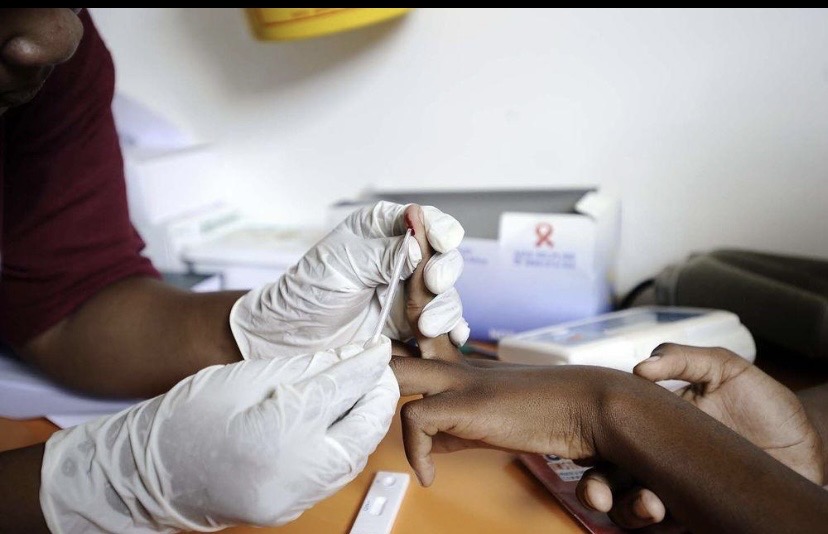
Another important aspect of HIV prevention is regular testing. Many people who have HIV do not experience symptoms during the early stages, which means they may unknowingly spread the virus. This is why health professionals encourage sexually active individuals to know their HIV status. Early diagnosis allows people to begin treatment before the virus weakens their immune system.
Preventing HIV requires both knowledge and responsibility. Safe sexual practices, the correct use of condoms, avoiding the sharing of needles or sharp objects, ensuring blood is properly screened before transfusion, and seeking medical care during pregnancy are effective ways to reduce the spread of HIV.
Despite the medical progress made over the years, stigma remains one of the greatest challenges faced by people living with HIV. Some individuals lose friendships, jobs, or even family support because of misconceptions surrounding the virus. Sadly, this fear of discrimination prevents many people from getting tested or seeking treatment.
Everyone deserves dignity and respect, regardless of their HIV status. People living with HIV are teachers, students, parents, healthcare workers, business owners, and valuable members of society. Their diagnosis does not define who they are or what they can achieve.
Modern medicine has transformed HIV from a life-threatening illness into a manageable long-term condition. Antiretroviral Therapy (ART) helps reduce the amount of virus in the body, allowing people to live long and healthy lives. When treatment is taken consistently and the virus becomes undetectable, it cannot be sexually transmitted to partners. This medical breakthrough has brought hope to millions of people around the world.
Young people have a major role to play in ending HIV. Schools, universities, churches, mosques, youth organizations, and families should encourage open discussions about sexual health and HIV prevention. Silence only creates room for myths and misinformation, while education empowers people to make informed choices.

The media also has an important responsibility. Newspapers, television stations, radio programs, blogs, and social media platforms should promote accurate information about HIV while avoiding language that promotes fear or discrimination. Positive stories of people living with HIV can inspire hope and encourage others to seek testing and treatment.
In Nigeria and many parts of the world, governments, healthcare professionals, and non-governmental organizations continue to organize awareness campaigns, provide free or affordable testing services, and ensure access to treatment. Although remarkable progress has been made, there is still work to be done in eliminating stigma and increasing public awareness.
In conclusion, HIV is no longer the death sentence it was once believed to be. With early diagnosis, proper medical treatment, and strong community support, people living with HIV can pursue their dreams, build families, and contribute meaningfully to society. The greatest obstacle is no longer the virus itself but the stigma and misinformation that surround it. By choosing education over ignorance and compassion over judgment, we can create a society where everyone is treated with dignity, respect, and hope.