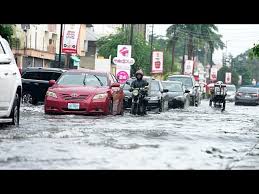
Nigerian authorities have placed 14 states on heightened flood alert as the rainy season gathers strength, warning that moderate but potentially dangerous flooding could hit communities along major rivers and low-lying areas.
The Nigeria Hydrological Services Agency (NIHSA) said current forecasts show rising water levels in key river basins, including the Niger and Benue, increasing the likelihood of riverine and flash floods. States listed as vulnerable include Borno, Edo, Niger, Lagos and Plateau, along with several others straddling major waterways and floodplains.
Residents in high risk zones have been urged to relocate to safer ground where possible, clear blocked drainage channels and avoid attempting to cross flooded roads or bridges. NIHSA officials stressed that many flood-related deaths in recent years have been caused by people driving or walking through fast-moving water.
State and local governments have been asked to strengthen early warning systems, pre-position relief materials and activate evacuation and shelter plans. Emergency agencies are also being encouraged to work with traditional and community leaders to spread warnings in local languages and through radio, town criers and religious centres.
Nigeria’s rainy season typically lasts about six months, beginning around March and intensifying from mid-May, especially in the northern regions. While seasonal flooding is a recurring feature of life in many parts of the country, scientists and disaster managers say climate change is amplifying the risks.
They point to more intense and erratic rainfall patterns that overwhelm ageing or poorly maintained drainage systems, as well as rapid urbanisation that has paved over natural waterways and wetlands. In coastal areas such as Lagos, sea level rise and tidal surges compound the impact of heavy rain, pushing water back into already stressed drainage channels.
Experts are calling for a shift from reactive disaster response to long-term risk reduction, including stricter enforcement against building on floodplains, investment in modern drainage and dams, and better coordination between federal and state agencies. They warn that without sustained action, seasonal flood alerts like the current one will increasingly translate into large-scale displacement, crop losses and damage to critical infrastructure.