PROJECT REPORT: PROJECT COMBATING DESERTIFICATION AND DROUGHT
Date of Event: June 23, 2026
Organizer: Department of Development Communication, University of Abuja
Theme: Rangelands: Recognize. Respect. Restore.
Reporter/Role: Field Worker
1. Summary of the project
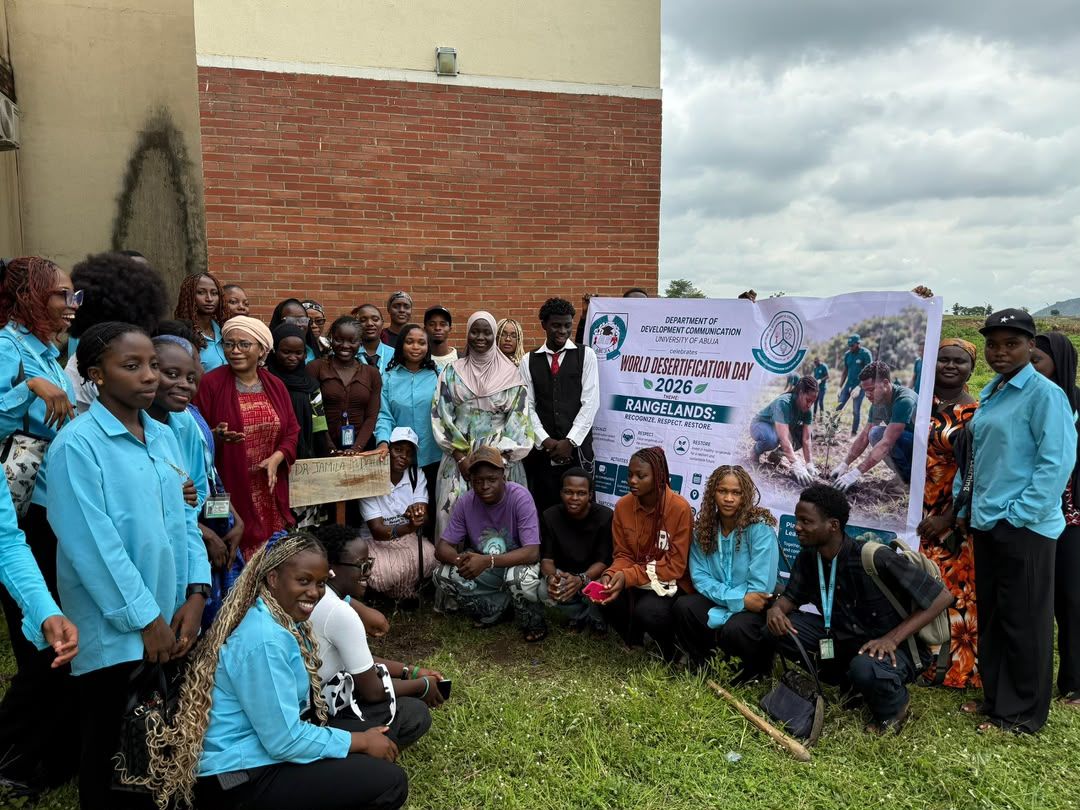
On June 23, 2026, the Department of Development Communication at the University of Abuja organized a tree-planting exercise titled "Project Combating Desertification and Drought." Held in the celebration of World Desertification Day 2026, the initiative aimed to promote environmental sustainability, mitigate the effects of climate change, and actively restore local rangelands. Through the collective efforts of our lecturer Dr. Jamila .M. Dahiru , field workers, and participants, numerous tree seedlings were successfully planted and nurtured, contributing to a greener and more resilient ecosystem.
2. Project Objectives
The core objectives of the project were:To combat land degradation, desertification, and drought through practical reforestation.
To raise awareness about the preservation of rangelands under the 2026 global theme: Recognize. Respect. Restore.
To foster a culture of environmental stewardship among students and the immediate university community.
To ensure the immediate survival of new flora through deliberate post-planting care (watering and monitoring).
3. Field Worker Roles and Responsibilities
As a field worker, my contributions were central to the physical execution and success of the project. The tasks carried out included:
Seedling Preparation: Actively engaged in preparing the soil, excavating appropriate planting holes.
Irrigation and Nurturing: Immediately watered the newly planted seedlings to reduce transplant shock and provide the vital moisture needed for early growth.
Team Collaboration: Worked closely with fellow participants to ensure efficient distribution of tools, water, and seedlings across the designated site.
4. Key Outcomes and Highlights
Successful Reforestation: A significant number of tree seedlings were successfully integrated into the target environment, establishing a foundation for a greener landscape.
Community Engagement:The event brought together a dedicated, diverse group of students, lecturers and faculty members united by a shared environmental goal.
Public Awareness: The display of the official event banner helped anchor the physical work to a broader global movement, educating passersby on the importance of restoring rangelands.
5. Challenges and Recommendations
Challenge: Ensuring the long-term survival of the seedlings amidst harsh weather or stray livestock.
Recommendation: Establish a rotational roster among field workers or volunteers to routinely water and monitor the plants over the coming months. Additionally, installing basic protective mesh around fragile seedlings could prevent external damage.
6. Conclusion
"Project Combating Desertification and Drought" was a success, demonstrating the power of collective grassroots action in addressing global environmental crises. Serving as a field worker provided invaluable hands-on experience in environmental conservation. The physical planting, immediate irrigation, and photographic tracking established a solid foundation for the project’s longevity. By continuing to support initiatives like this, the university community takes a definitive step toward restoring our ecosystems for future generations.