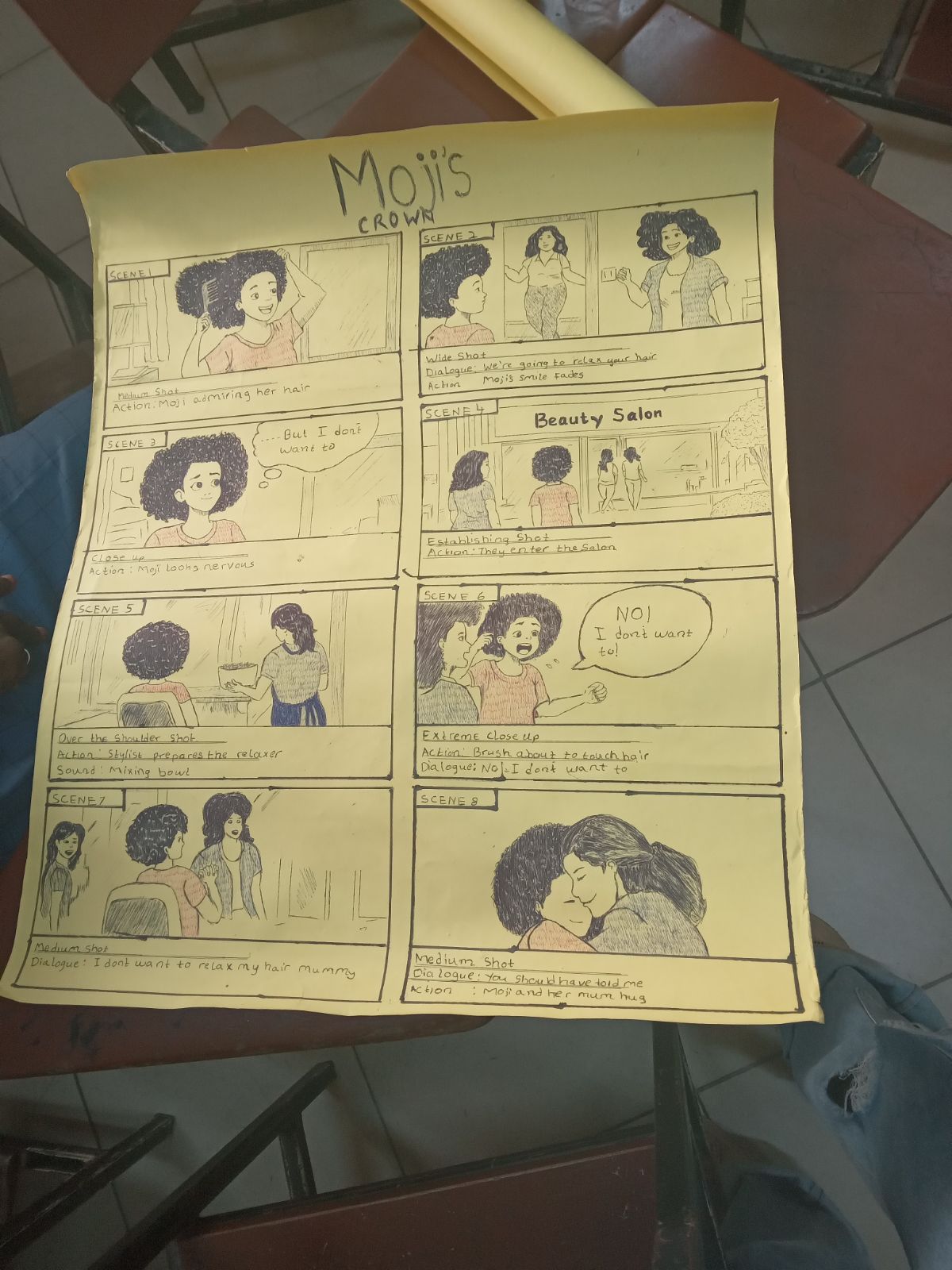
Five Tools That Help in Developing Dramatic Causality
Dramatic casualty is the killing off of a character that the death affect or is touching to the other characters and the audience.
The character must not be the protagonist of the plot, but can be a character that is connected to the protagonist or a normal character.
1. CONFLICT:
Conflict is the foundation of dramatic causality. It is the struggle between opposing forces, such as a character against another character, society, nature, or themselves. Every conflict generates actions and reactions that move the story forward. As characters attempt to overcome obstacles, new situations emerge, creating a chain of cause and effect. Without conflict, there would be little motivation for events to unfold.
2. CHARACTER MOTIVATION:
Character motivation refers to the reasons behind a character's actions, decisions, and behavior. When characters act according to clear goals, desires, or fears, their choices naturally produce consequences that influence the plot. Well-motivated characters make the progression of events believable and ensure that the audience understands why each event occurs.
3. PLOT STRUCTURE:
A well-organized plot provides a framework for dramatic causality. The traditional plot structure includes exposition, rising action, climax, falling action, and resolution. Each stage develops from the one before it through logical cause-and-effect relationships. This structure ensures that every event has a purpose and contributes to the development of the story.
4. SYMBOLISM, METAPHOR, AND THEME:
A character’s death can be given deeper meaning by attaching it to symbolism, metaphor, or theme. By linking the death to ideas the writer intends to weave into the overarching story, the screenwriter elevates the moment beyond a simple plot event, turning it into a vehicle for thematic resonance that touches the audience more profoundly. An example of this can be drawn from the death of Ned Stark in Game of Thrones, where the casualty carries symbolic weight tied to the show’s broader themes of power and honour.
5. CHARACTER DECISION AND CONSEQUENCES:
Every important decision made by a character should have consequences that affect the direction of the story. Good dramatic causality is built on the idea that actions produce results. Positive decisions may lead to success, while poor decisions may result in failure, conflict, or tragedy. These consequences create new challenges that continue to drive the narrative forward until the story reaches its conclusion.
CONCLUSION:
Dramatic causality is essential for creating a compelling and believable drama. It ensures that events unfold through logical cause-and-effect relationships rather than by chance. Conflict, character motivation, plot structure, symbolism, Metaphor and theme, and character decisions with their consequences are key tools that strengthen dramatic causality. When effectively used, these tools produce a well-structured, engaging, and meaningful dramatic work that captures the audience's attention from beginning to end.