Chains Could Not Silence a Continent: The Story of African Slavery, Strength, and Beauty
Name: Isaiah Abel
Matric Number: U25MM1096
Course: MCOM110
"They took people from their homes, but they could not take away their identity. They chained bodies, but the African spirit remained unbroken."
Introduction
Africa is a continent blessed with breathtaking landscapes, diverse cultures, rich traditions, and resilient people. Long before colonialism and the transatlantic slave trade, African kingdoms such as Mali, Benin, Songhai, Great Zimbabwe, and Kongo flourished through trade, education, art, agriculture, and governance. Africans built thriving civilizations and contributed significantly to the advancement of humanity.
Yet, one of the darkest chapters in world history was the transatlantic slave trade. For centuries, millions of Africans were forcibly taken from their homes, separated from their families, and transported across the Atlantic Ocean under horrific conditions. They were treated as property instead of human beings and forced to work without freedom or dignity.
Despite this painful history, slavery did not erase Africa's identity. Instead, the courage, resilience, creativity, and beauty of African people endured through generations. Today, Africa continues to inspire the world through its culture, music, fashion, art, language, and remarkable people.
The Beginning of the Slave Trade
The transatlantic slave trade began in the 15th century when European traders established trading posts along the West African coast. Over the next several centuries, millions of Africans were captured, sold, or forcibly transported across the Atlantic to work mainly on plantations in the Americas and the Caribbean.
The journey, known as the Middle Passage, was one of unimaginable suffering. Men, women, and children were packed tightly into ships with little food, poor sanitation, and almost no medical care. Many died before reaching their destination due to disease, starvation, or abuse. Families were torn apart, languages were separated, and communities lost countless generations of their people.
The slave trade left lasting social, economic, and cultural scars on Africa that are still discussed by historians today.
The Strength That Could Not Be Broken
Although enslaved Africans faced unimaginable hardship, they resisted oppression in many ways. Some fought for freedom, others preserved their traditions in secret, and many passed down their languages, music, beliefs, and customs to future generations.
Their resilience helped shape cultures across the world. African rhythms influenced jazz, blues, gospel, reggae, samba, and many modern genres of music. African food traditions, storytelling, craftsmanship, and spiritual practices also survived despite attempts to erase them.
This endurance is one of the greatest examples of human courage in history.
The Beauty of Africa Beyond the Pain
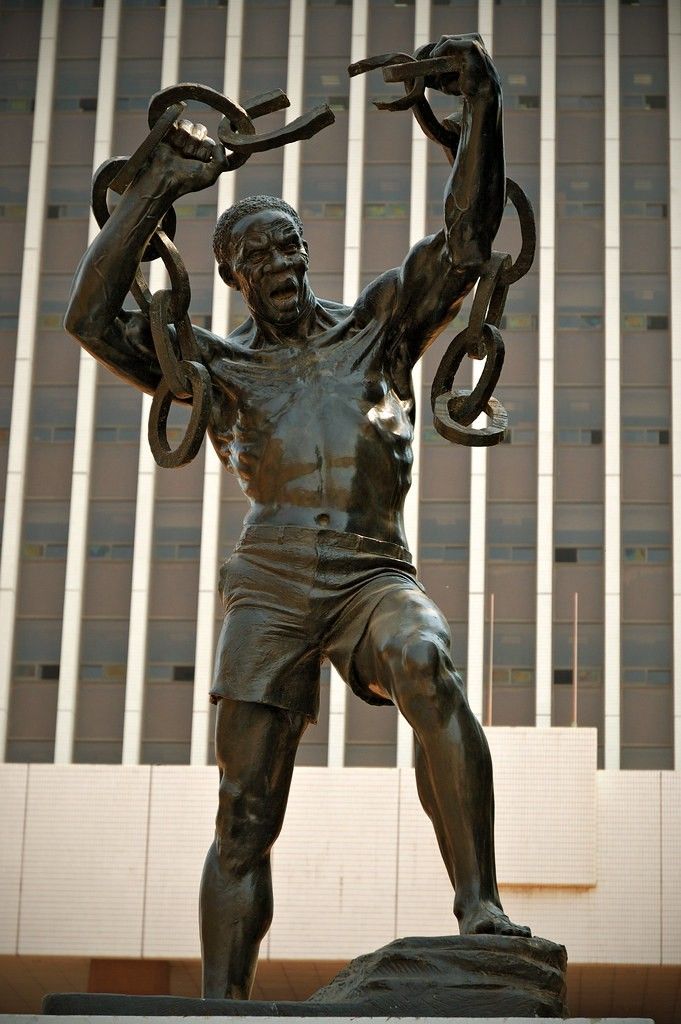
The image above—a clenched fist wrapped in heavy chains—is a powerful reminder of both suffering and determination. The chains symbolize oppression, while the raised fist represents hope, resistance, and the refusal to surrender.
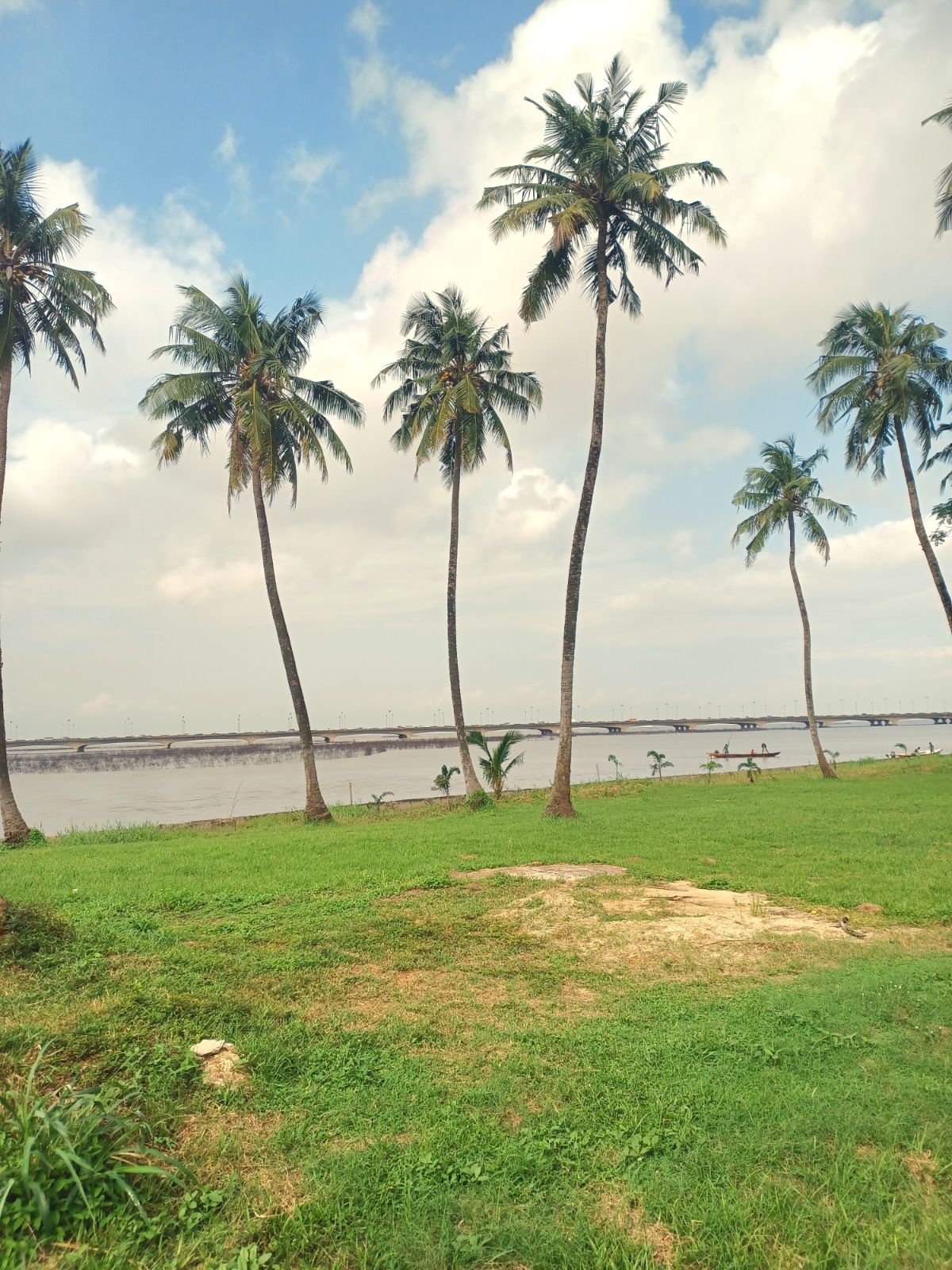
Africa's beauty has always extended far beyond physical appearance. It is found in the continent's incredible diversity, with thousands of ethnic groups, hundreds of languages, colorful festivals, traditional dances, unique architecture, and vibrant textiles such as Ankara and Kente. It is reflected in breathtaking landscapes, from vast deserts and lush rainforests to majestic mountains and powerful rivers.
The beauty of Africa also lives in its people. Across generations, Africans have demonstrated resilience, creativity, and a deep sense of community. Their stories, music, literature, inventions, and artistic expressions continue to inspire the world.
The Legacy of Slavery
The abolition of the transatlantic slave trade and slavery marked significant milestones in history, but their effects did not disappear overnight. Many societies continued to struggle with inequality, discrimination, and the long-term consequences of forced displacement.
Even so, descendants of enslaved Africans have made extraordinary contributions in education, science, politics, sports, business, literature, medicine, and entertainment. Their achievements reflect determination in the face of adversity and stand as a testament to the strength of those who came before them.
Remembering the history of slavery is not about remaining trapped in the past. It is about honoring those who suffered, learning from history, and working toward a future built on justice, equality, and mutual respect.
Conclusion
The story of African slavery is one of profound pain, but it is also a story of extraordinary resilience. Millions endured unimaginable hardship, yet they preserved their humanity, culture, and hope. Their strength echoes through history and continues to inspire generations around the world.
Today, Africa stands as a continent rich in culture, innovation, and potential. Its beauty is seen not only in its landscapes and traditions but also in the enduring spirit of its people. The chains of the past serve as a reminder of injustice, while the raised fist symbolizes freedom, dignity, and the unbreakable will to rise.
As we reflect on this chapter of history, we should remember not only the suffering but also the courage, resilience, and lasting contributions of African people. Their story is a reminder that while freedom can be challenged, the human spirit can never truly be chained.