The Cinematographer
Struggling to stand up from the bead that was easy to lay on at night,the cool conducive weather whispering “sleep a little longer ”. But wait,school break is over ,school resumed on the 5th , my brain even though the body was at sleep “ I think you should wake up check the time and the date “ the cool weather saying same thing .i reluctantly opened my sleepy eyes,weaving my hand across the bed in search of my phone….finally found it .Jesus!!! ( me jumping off my bead ) doing everything I can as fast as possible ,rushed to the bus stop,took the first car I saw too school .
Getting to school, i was already late ( luckily for me he let me into his class),i sat quietly behind the class . Few minutes after the class ended he ( our lecturer ) asked us to wait a little longer for a brief production meeting after he was done with the 200 level student. An hour and half later he called us back in for the meeting, he said a few things about production and few things to expect during production. After saying few things,he asked for those that didn't have a role to play in the short film production,i raised my hand ( cause he asked us to ). Few moments later he walks towards me asking what i will love to do. I told him i would like to be the camera person ( cinematographer) then he said okay, turned to the class head while pointing at me " she's the assistant camera person ". I was happy but had no idea on how to handle a camera.
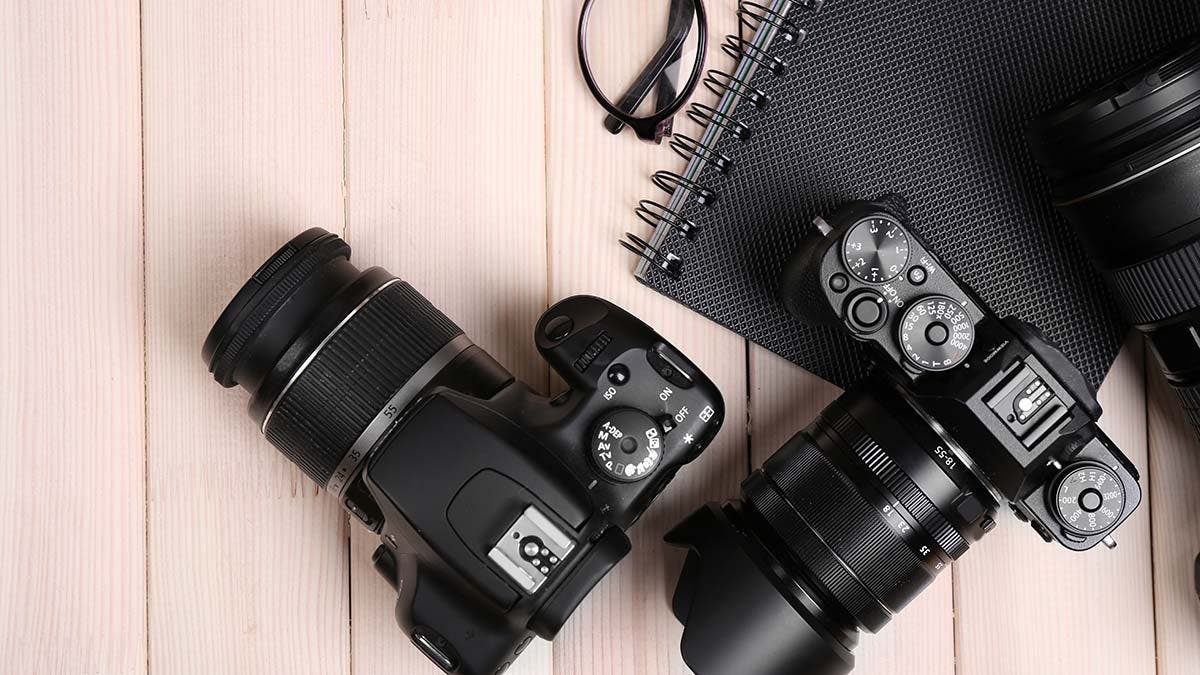
When i got home i watched as many videos as possible on camera operation for different types of camera. Over to the challenges Technical Challenges camera malfunction: Batteries dying, memory cards failing, or cameras overheating can disrupt shooting.Focus and exposure issues: Maintaining sharp focus and correct exposure, especially in moving shots or changing light.Low-light conditions: Shooting at night or indoors without proper lighting affects image quality.Sound interference: Camera equipment may pick up unwanted noise or interfere with sound recording.Creative Challenges
Interpreting the director’s vision: Translating ideas into visual images can be difficult.Framing and composition: Choosing the right shots that tell the story effectively.Maintaining visual continuity: Ensuring shots match across scenes.Balancing creativity and budget: Limited resources can restrict creative choices.
A camera person must combine technical skill, creativity, physical endurance, and teamwork to overcome these challenges. Good planning, experience, and adaptability are key to success in film production.