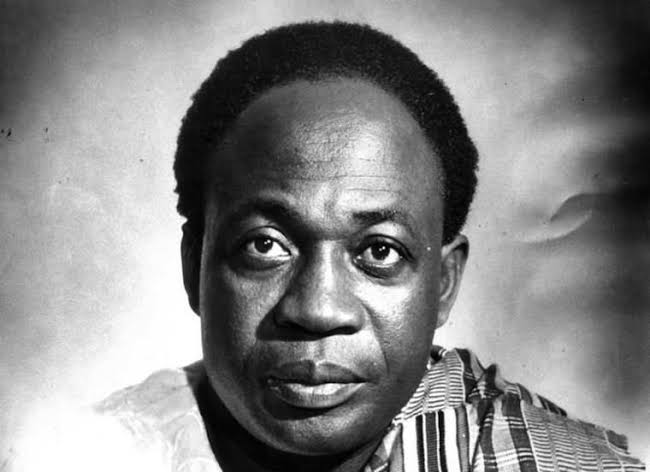
Kwame Nkrumah (1909–1972) was more than Ghana’s first Prime Minister and President—he was a visionary leader whose dream extended far beyond the borders of his own nation. Born in the small town of Nkroful, Ghana, Nkrumah rose from humble beginnings to become a towering figure in the struggle for African liberation.
In 1957, under his leadership, Ghana became the first African country south of the Sahara to gain independence from colonial rule. This historic achievement was a beacon of hope for millions across the continent, igniting a wave of anti-colonial movements and inspiring leaders in countries like Nigeria, Kenya, and Tanzania to fight for their own sovereignty.
Nkrumah’s vision went beyond national independence. He was a fervent Pan-Africanist, believing that Africa’s strength lay in unity. He convened the first All-African Peoples’ Conference in 1958 and tirelessly promoted the idea of a United States of Africa—a continent that could speak with one voice in global politics, defend its own interests, and accelerate economic and social development.
Despite facing political opposition, economic challenges, and eventual overthrow in 1966, Nkrumah’s ideas and legacy endure. He championed education, industrialization, and self-reliance, leaving behind institutions, policies, and a spirit of activism that continue to shape Ghana and the African continent today.
Kwame Nkrumah reminds us that leadership is about vision, courage, and the relentless pursuit of justice. His life is a testament to what one determined individual can do to change the course of history—not just for a nation, but for an entire continent.
💡 Reflection: How can we, in our own ways, honor Nkrumah’s vision of African unity and self-determination today?