South Africans are grappling with a fresh surge in fuel prices that has triggered anger, anxiety and renewed debate over the country’s economic direction, despite a temporary tax cut meant to soften the blow.
The government has reduced the general fuel levy by three rand per litre, a rare intervention in a tightly regulated fuel market. Officials framed the move as an emergency cushion against a spike in global oil prices and heightened geopolitical tensions, including conflict involving Iran, which have disrupted supply and driven up costs worldwide.
At the pumps, however, many motorists say the relief is barely visible. The latest adjustment ranks among the steepest increases South Africans have faced, pushing petrol and diesel prices to levels that are reshaping household budgets and business plans.
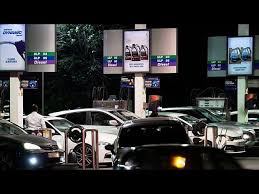
In Johannesburg, queues at filling stations are now accompanied by open frustration. Motorist Kagiso Nyokolodi described feeling overwhelmed as he watched the meter climb. Furious, I’m angry, I’m out of words, I have run out of words, no this is not good, he said, summing up a sentiment echoed across social media and radio phone-ins.
Some drivers acknowledge the tax cut but insist it is far from enough. It’s very bad man, but at least the government has helped us with three rands, that’s great, but it’s still very expensive, said motorist Armand Pretorius, who fears further hikes will make commuting unsustainable for many workers.
For others, fuel is just one more pressure point in an economy where wages lag behind rising prices. It’s very hard on everybody, salary wise, pensioners wise, buying, everything is going up, said motorist Innah Venter, noting that higher transport costs quickly filter through to food, electricity and basic goods.
Economists warn that the latest fuel spike could intensify an already severe cost-of-living squeeze. More expensive fuel raises the cost of moving goods across South Africa’s vast distances, feeding into food inflation and public transport fares. That, in turn, erodes disposable income and threatens to dampen consumer spending, a key driver of growth.
While the temporary levy reduction offers short-term respite, analysts caution that South Africa remains exposed to volatile global oil markets and a weak currency. Without broader reforms and targeted support for vulnerable households, they say, the pain at the pump is likely to keep reverberating through the wider economy.