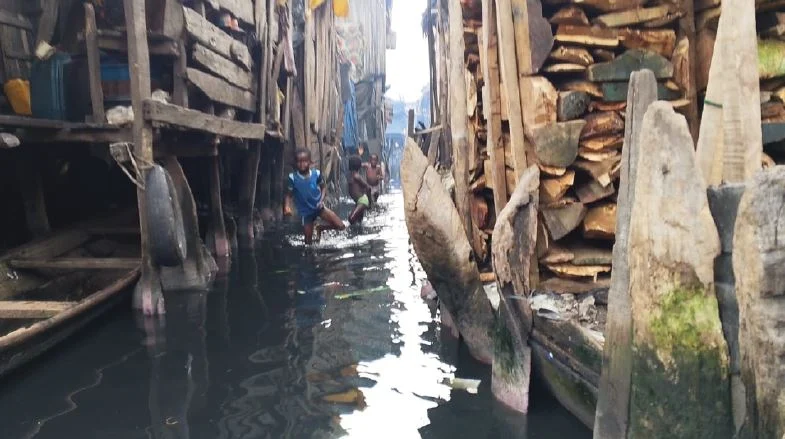
The report on Makoko demolition victims highlights the growing tension between urban development and the welfare of vulnerable communities. While authorities often justify demolitions as part of city planning, environmental control, or infrastructure expansion, the human consequences remain severe and deeply troubling.
Makoko, widely known as a waterfront settlement in Lagos, is home to thousands of low-income residents who depend on the area for shelter and livelihood. Demolitions in such communities do not only remove physical structures; they disrupt social networks, destroy sources of income, and expose residents to homelessness, health risks, and psychological trauma. The mention of deaths and sorrow underscores how these operations can escalate into humanitarian concerns.
From a policy perspective, the situation raises critical questions about compensation, resettlement plans, and adherence to human rights standards. International urban development principles emphasize inclusive planning, where affected communities are consulted and provided with alternatives before displacement occurs. When this process is absent or inadequate, demolitions are seen less as development and more as forced evictions.
Media coverage of Makoko plays a vital role in shaping public awareness. By sharing victims’ experiences, the press moves the conversation beyond statistics to the lived realities of those affected. This strengthens accountability and encourages dialogue on balancing modernization with social justice.
Ultimately, the Makoko case illustrates that sustainable development must consider not only physical structures but also human lives. Progress that overlooks people’s dignity and security risks deepening inequality rather than solving urban challenges.