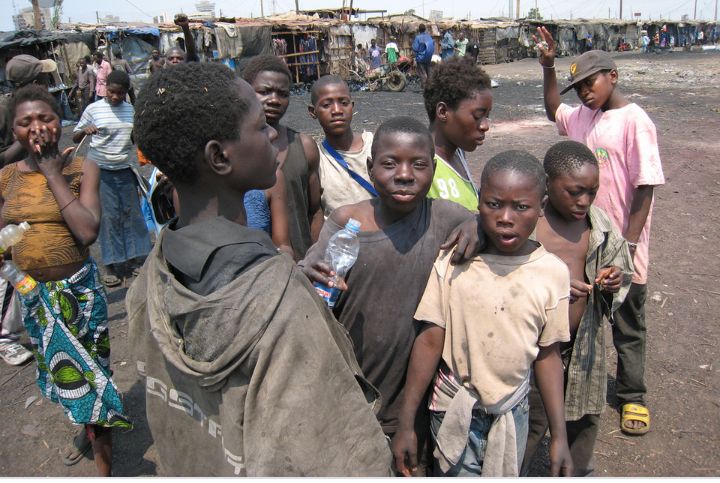
Street children face numerous challenges, including violence, exploitation, and limited access to basic services like education and healthcare. These children are often viewed as criminals rather than victims, leading to further marginalization and stigma.
Street children often lack access to quality education, making it difficult for them to reintegrate into society. they are vulnerable to physical and emotional abuse, including forced labor, trafficking, and sex work. Street children often struggle with mental health issues, such as depression and anxiety, and are at risk of contracting diseases due to poor living conditions.Instead of receiving support, street children are often detained, fined, or subjected to forced removals.
They are frequently viewed as a nuisance or a problem, rather than as vulnerable individuals in need of protection and support.
Governments and organizations should prioritize a rights-based approach to address the needs of street children, including access to education, healthcare, and protection from violence and exploitation. Governments should develop specialized programs and interventions tailored to the unique needs of street children, such as outreach programs, vocational training, and rehabilitation services. Communities, including families and local organizations, should be engaged in supporting street children and providing them with a sense of belonging and protection.
Governments should implement policies that protect the rights of street children.