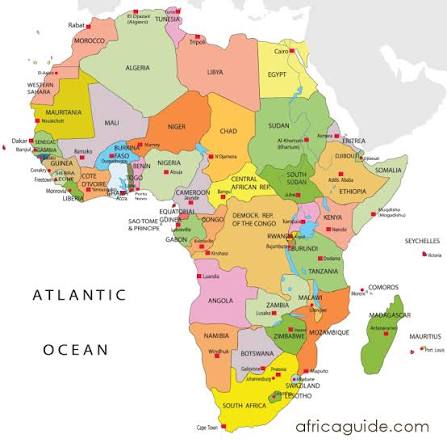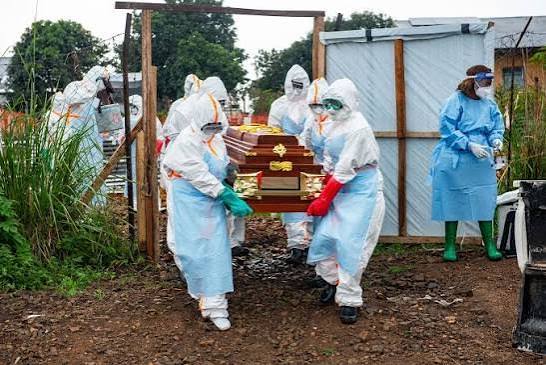
The Ebola epidemic sweeping eastern Democratic Republic of Congo has become the deadliest in the country’s history, with health authorities warning that the virus is claiming a life roughly every half hour.
Government data indicate 2,325 deaths from nearly 5,000 confirmed infections, surpassing the toll of the major North Kivu outbreak that killed close to 2,300 people from more than 3,300 cases. Epidemiologists say the rising numbers reflect both intense transmission and persistent gaps in surveillance.
Despite months of contact tracing and vaccination campaigns, the virus is spreading faster than health workers can track it. Up to 70 percent of new infections are now being detected in people who were not on any contact lists, meaning they were not known to have been exposed to a confirmed case.
This failure to identify and monitor potential carriers allows Ebola to move silently through communities. By the time patients reach treatment centers, they may already have infected family members, caregivers, or fellow travelers, complicating efforts to break chains of transmission.
The epicentre of the outbreak lies in Ituri province, a region scarred by conflict and chronic insecurity. Armed clashes, roadblocks, and shifting front lines routinely disrupt medical operations, forcing teams to suspend outreach or evacuate staff. In some areas, health workers can only move under military escort, if at all.
Frequent population movements further undermine containment. Families fleeing violence, traders crossing porous borders, and displaced people seeking shelter often pass through zones with little or no health surveillance. Remote villages, dense forests, and poor roads leave entire communities beyond the reach of response teams.
Local mistrust also hampers the response. In some towns, residents have accused authorities of exploiting the crisis, while misinformation about vaccines and treatment has led to resistance and occasional attacks on clinics. Public health experts stress that without community cooperation, even the best medical tools will fall short.
In an effort to reinforce the response, the United Nations has announced an additional 30 million dollars in emergency funding. The money is earmarked for treatment centers, vaccination drives, laboratory capacity, and support for frontline staff working in high-risk zones.
Health officials warn that unless access, security, and surveillance improve, the outbreak could continue to expand, deepening a crisis already described as one of the most complex Ebola emergencies ever confronted.