By Anetoh Angel/300 level mass communication UNILAG
Climate Change and Its Impact on Coastal Cities
If you live in or have ever visited a coastal city, you might notice that water is always part of daily life. The ocean, lagoons, and waterways give these cities their beauty and economic advantage, but they also make them more exposed to environmental changes. Climate change has slowly started to reshape coastal cities in ways that many people only notice when something unusual happens, like unexpected flooding or heavier rainfall than normal.
Climate change refers to long-term changes in weather patterns and global temperatures, mostly caused by human activities such as burning fossil fuels and industrial development. One major effect of this is rising sea levels. As temperatures increase, glaciers and ice caps melt, and ocean water expands. Over time, this leads to higher water levels that push closer to land. For coastal cities, this means that areas that were once safe from flooding may now experience water intrusion more often.
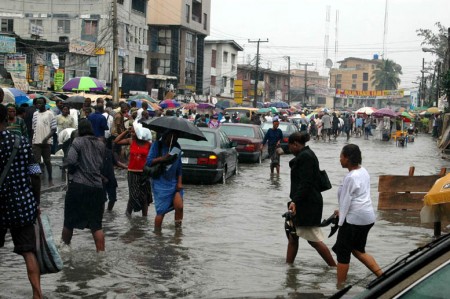
In many places, the impact shows itself through small disruptions before becoming serious problems. Streets that used to drain quickly after rain may remain flooded for hours or even days. Residents begin to adjust their routines, and students may find that their journey to school changes depending on the weather. These experiences might seem normal at first, but they are connected to larger environmental changes happening globally.
Cities around the world provide clear examples. Venice regularly deals with flooding that affects both tourism and local life. Jakarta faces rising sea levels combined with land sinking, creating long-term challenges for residents. In Lagos, heavy rainfall and coastal flooding have become familiar topics of conversation, showing how rapid urban growth and environmental pressure can meet in complex ways. Each city has its own story, but all of them reflect how climate change is influencing coastal environments.
Scientists and researchers use technology such as satellites and climate models to understand and predict these changes. Their findings help governments and communities plan for the future, while media platforms translate complex scientific information into stories people can understand. For students, this shows how science, technology, and communication work together to explain real-world issues.
In conclusion, climate change is not only something discussed in scientific journals; it is something that can be observed in everyday life, especially in coastal cities. Rising sea levels, stronger storms, and changing weather patterns continue to shape how cities function and how people experience their surroundings. By paying attention to these changes, students can better understand the connection between global environmental issues and the local environments where they live and study.