Nigeria Considers Satellite-to-Phone Technology as Starlink Expands Direct Mobile Connectivity
By Barakat Lawal
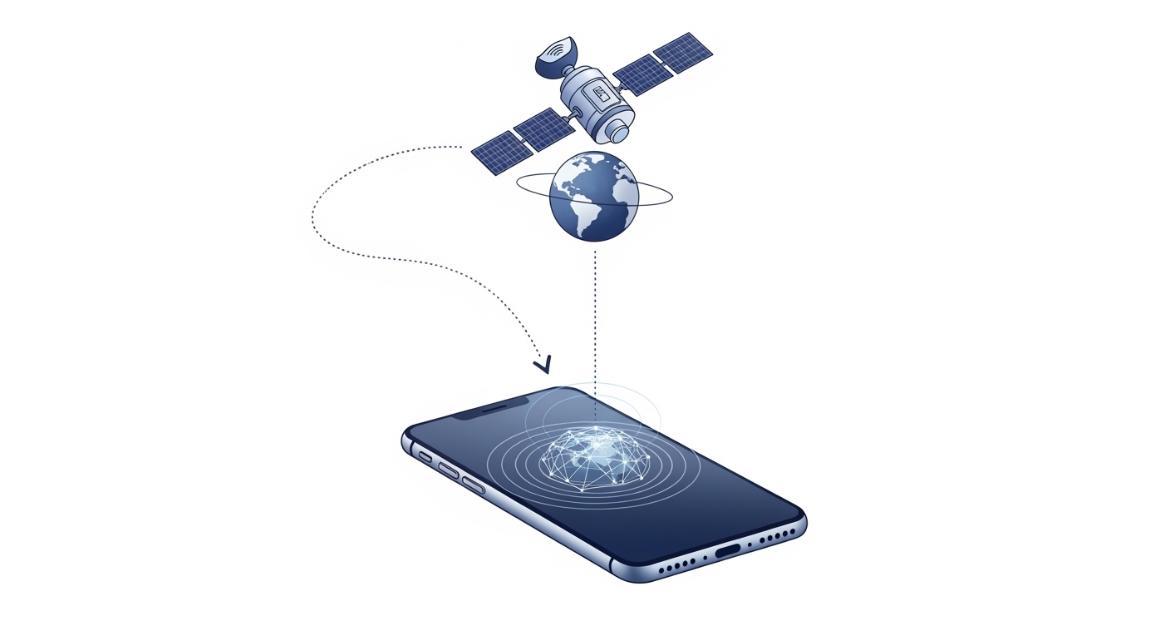
Starlink’s satellite-to-phone technology is gaining global attention as the satellite internet provider pushes forward with its direct-to-device connectivity system, designed to allow mobile phones connect directly to satellites without relying on traditional telecom towers. The technology, commonly referred to as Direct-to-Cell or Direct-to-Device (D2D) connectivity, aims to provide network access in remote locations where terrestrial infrastructure is weak or completely unavailable.
The system works by integrating cellular modems into low-earth orbit satellites that communicate directly with standard smartphones using existing 4G LTE technology. Unlike conventional satellite internet services that require special equipment such as dishes or terminals, the innovation allows ordinary mobile phones to send messages, access data and eventually make voice calls as long as the device has a clear view of the sky. Initial deployment is expected to begin with text messaging before expanding to voice, data services and Internet of Things (IoT) connectivity.
Recent developments indicate that the technology is gradually approaching wider commercial rollout in several regions. Airtel Africa, one of the continent’s major telecommunications operators, has entered a partnership agreement with SpaceX to introduce Starlink’s Direct-to-Cell satellite connectivity across its 14 African markets, including Nigeria. The partnership will enable Airtel subscribers using compatible smartphones to connect directly to Starlink satellites in areas with limited or no mobile network coverage.
In Nigeria, regulatory authorities are also exploring the potential of satellite-based mobile connectivity. The Nigerian Communications Commission (NCC) has identified non-terrestrial networks, including satellite-to-phone systems, as an important part of its telecommunications roadmap between 2025 and 2030. According to the Commission, the technology could complement existing telecom infrastructure and extend coverage to underserved communities where building traditional telecom towers may be difficult or costly.
Globally, satellite-to-mobile connectivity is emerging as a growing trend within the telecommunications industry as operators search for solutions to eliminate network “dead zones.” Telecom companies and satellite providers across different regions are already testing similar technologies in partnerships aimed at integrating terrestrial and space-based communication networks. Experts believe such hybrid systems could significantly improve connectivity, especially during emergencies and in geographically challenging environments.
For the average Nigerian, the potential introduction of satellite-to-phone connectivity could significantly expand access to mobile network services, particularly in rural and remote areas where network coverage remains inconsistent. Improved connectivity could support digital banking, online education, telemedicine and other internet-based services. However, industry observers note that the success of the technology will depend largely on regulatory approvals, affordability and how effectively it integrates with Nigeria’s existing telecommunications infrastructure.