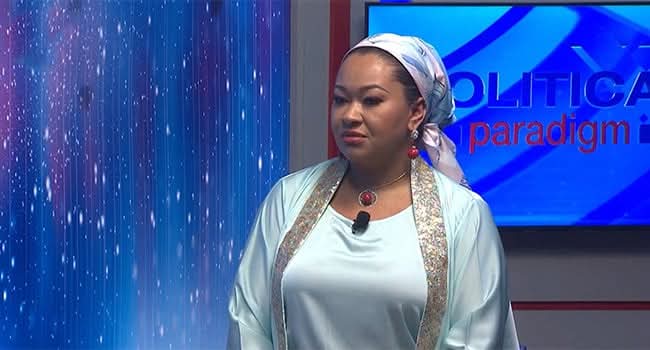
As the trial of Senator Natasha Akpoti-Uduaghan faces yet another delay, public sentiment is mixed. Many express admiration for her resilience amid the legal storm, while others voice outrage over the judicial interruptions that seem to plague her case. A significant faction appears apathetic, viewing the proceedings as just another chapter in Nigeria’s complex political narrative.
The recent postponement at the Federal High Court in Abuja, initially set for October 21, was met with frustration from both the prosecution and defense. The presiding judge, Justice Mohammed Umar, was absent, prompting a rescheduling to February 4, 2025. This delay adds to a series of interruptions that have captured public interest and scrutiny.
Activists, notably led by Mr. Omoyele Sowore, took to the streets during the last scheduled hearing, protesting not only for Akpoti-Uduaghan but also demanding the release of Nnamdi Kanu, a convicted figure in Nigeria's political landscape. This intersection of activism and legal proceedings has sparked admiration among those who see it as a fight for justice, while others view it as a distraction from the core issues at hand.
Originally arraigned on June 30, Akpoti-Uduaghan faces six counts of cybercrime, with allegations stemming from petitions by Senate President Godswill Akpabio and former Kogi State governor Yahaya Bello. There is a palpable divide among the public; some sympathize with her plight, arguing that the charges may be politically motivated, while critics contend that such serious allegations should be thoroughly examined in court.
The defense’s preliminary objections, which challenge the court's jurisdiction and the prosecutorial conduct by the Attorney-General, have drawn mixed reactions. Legal experts and the public alike express varied opinions on the ramifications of these objections. Some lament the slow pace of justice, while others argue that ensuring a fair trial is paramount, regardless of how long it takes.
As Akpoti-Uduaghan continues to navigate these legal hurdles, the charges against her,transmitting false and injurious information to incite public disorder,have intensified scrutiny of her actions. Her claim that Akpabio directed Bello to have her killed has raised eyebrows and questions about the nature of political discourse in Nigeria. Those who admire her courage in voicing such allegations see her as a whistleblower of sorts, while others view these claims with skepticism, perceiving them as sensationalist tactics to gain public sympathy.
The case has become a touchstone for discussions about political accountability and the role of digital communications in shaping public opinion. While some are apathetic, believing such cases are commonplace in Nigerian politics, others are closely watching the developments, hoping for transparency and fairness in the judicial process.
In the end, the ongoing trial of Senator Natasha Akpoti-Uduaghan not only reflects her personal struggle but also symbolizes the broader challenges faced by the Nigerian legal system and its relationship with political dynamics. As the public awaits the next hearing, opinions will undoubtedly continue to diverge, revealing the complex fabric of societal views on justice, politics, and accountability.