You have probably heard the terms “Bipolar / manic-depressive disorder", " Depression / major depressive disorder", "Schizophrenia”, or “ADHD (Attention-Deficit/Hyperactivity Disorder)."
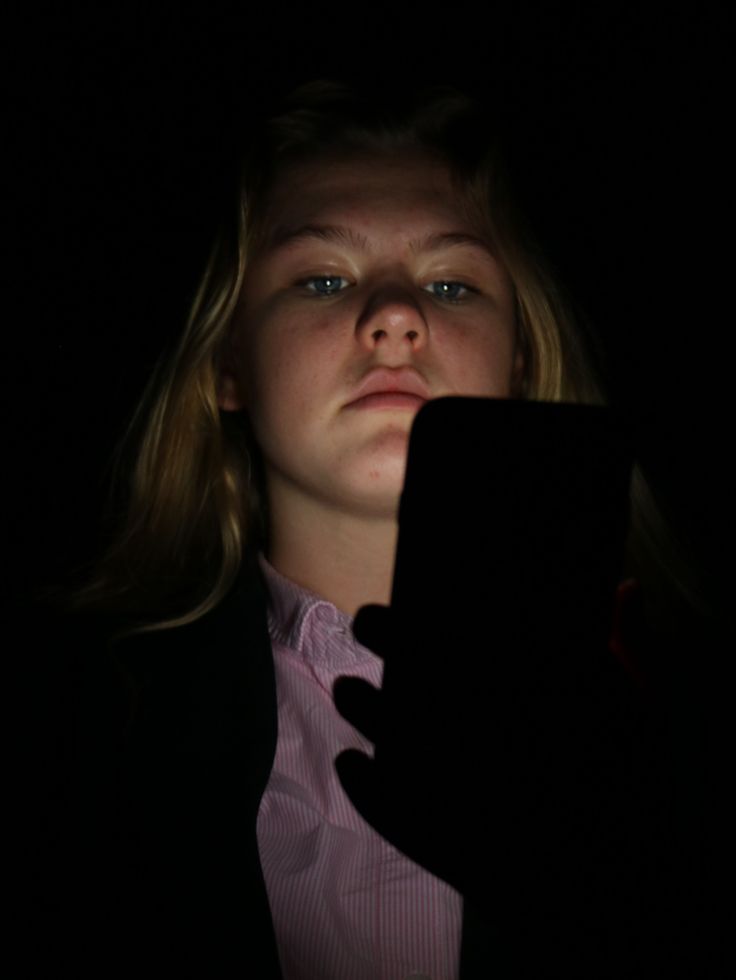
When we talk about Gen Z and mental health, we often use broad terms like "burnout" or "stress." But in 2026, clinical data is showing that we are moving past general malaise and into a territory of specific, tech-exacerbated disorders. We’re not just looking at a "sad" generation; we’re looking at a generation whose primary interface with reality—the screen—is actively shaping the pathology of disorders like ADHD, OCD, and Generalized Anxiety Disorder (GAD).
Take ADHD, for example. While it’s a neurodevelopmental disorder, the "infinite scroll" of modern apps acts like a digital sledgehammer to the brain's executive function. Science shows that the constant switching between short-form videos and notifications creates a state of "cognitive fragmentation." For a Gen Zer, this isn't just about being distracted; it’s a literal re-tuning of the brain to only respond to high-frequency dopamine bursts. When this is ignored, it doesn't just result in bad grades; it leads to a total inability to engage in "deep work," which is the backbone of the future economy.
Then there’s the evolution of OCD in the digital age. Traditionally, OCD might involve physical compulsions, but for many in Gen Z, it has morphed into "Digital Compulsions." This includes obsessive checking of social metrics, the need for "inbox zero" to stave off panic, or the ritualistic grooming of an online persona to avoid social rejection. The science here is clear: the brain’s reward system gets hijacked. Every "like" or "notification" provides a micro-hit of reassurance, but like any addiction, the effect wears off, leaving the individual in a cycle of heightened anxiety. This isn't just a "bad habit"; it's a neurological loop that, if left untreated, can lead to severe clinical depression.
Speaking of depression, the 2026 data on "Major Depressive Episodes" among young adults is staggering. We are seeing a rise in what some neuroscientists call "Anhedonic Depression"—a state where the brain’s reward receptors become so desensitized by overstimulation that the real world feels gray and lifeless. When a young person's brain is flooded with cortisol from online "doomscrolling" or the pressure of a 24/7 news cycle, the hippocampus—the area responsible for memory and learning—can actually begin to shrink. This is why "brain fog" is one of the most common complaints among this demographic.
If we ignore these specific disorders, we aren't just letting individuals suffer; we are allowing a "biological rot" to set into our most productive generation. The stakes are higher than just "feeling better." We’re talking about the long-term ability to form stable relationships, maintain employment, and innovate. Ignoring these disorders is like ignoring a virus in a network: eventually, the entire system crashes. We need to move toward a future where "mental health" isn't a buzzword, but a measurable part of our technological and social infrastructure.