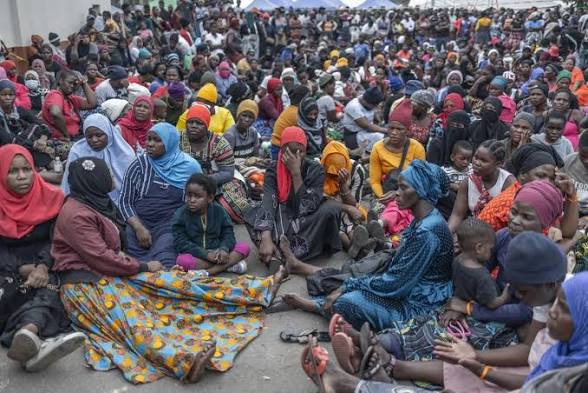
In a Durban park, hundreds of women and children clutching plastic bags and blankets wait anxiously for buses heading north. They are Malawians who have abandoned homes and jobs in South Africa, driven out not by formal eviction orders but by a drumbeat of online threats warning that foreigners must leave or face violence.
The ultimatum, pushed by fringe anti-immigrant groups and framed around a June 30 “deadline” for undocumented migrants to quit the country, has no basis in law. Yet analysts say it has taken on a dangerous life of its own, powered by social media posts that glorify violence and dehumanise foreign nationals as “leeches” and criminals.
Videos of men brandishing machetes, images of dates riddled with bullet holes and captions such as “June 30, I can’t wait” have flooded platforms like TikTok, Facebook and X. For migrants, the effect is chilling.
“Every morning you wake up to a traumatising video telling people they’re going to kill you before June 30,” said activist Tino Maclean, who is helping Zimbabweans leave. “When people say they’re going to kill you, you can’t sleep.”
Research by Murmur Intelligence, a firm that tracks online narratives, shows that a relatively small cluster of hyperactive accounts, influencers and alternative media channels is responsible for much of the anti-immigrant content. Their posts are then amplified by algorithms that reward outrage and emotional intensity.
“The best disinformation campaign is to convince a few people that thousands are convinced,” said Murmur’s Aldu Cornelissen. Co-founder Kyle Findlay describes a “modern xenophobic movement” that has been deliberately constructed over at least six years, turning isolated crimes or disputes into sweeping claims that migrants are to blame for unemployment, crime and failing public services.
Fact-checkers have debunked numerous viral clips falsely presented as fresh attacks on foreigners, as well as AI-generated “government notices” endorsing the June 30 deadline. Still, the falsehoods spread faster than corrections.
Officials acknowledge the danger. Public works minister Dean Macpherson warns that some actors are “happy to light a match on a very volatile situation and then walk away when that fire erupts,” while police say intelligence units are monitoring online spaces.
Yet legal tools lag behind. South Africa’s hate-speech and incitement laws were crafted before the rise of today’s platforms, making it difficult to hold digital instigators to account. Meanwhile, experts say, social media companies have little incentive to curb content that keeps users enraged and engaged.
“Algorithms decide what we get to see first,” said media scholar Phathiswa Magopeni. “This is why outrage outperforms accuracy.”