Egypt has moved to the center of a new round of Middle East diplomacy, hosting a senior US envoy in Cairo for talks that span multiple regional flashpoints, from Sudan’s civil war to tensions along the Israel-Lebanon border and the stalled track with Iran.
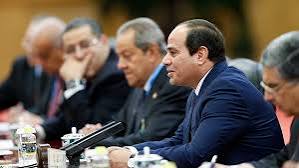
President Abdel Fattah el-Sissi received US envoy Massad Boulos at the presidential palace, where the two discussed what Egyptian officials described as a rapidly shifting regional landscape. According to people familiar with the meeting, the talks focused on containing the spillover from Sudan’s conflict, stabilizing Lebanon’s fragile political scene, and assessing prospects for renewed negotiations with Tehran.
El-Sissi used the meeting to underscore Egypt’s role as a mediator, while also praising past US efforts to de-escalate along the Israel-Lebanon frontier, including Washington’s push for a ceasefire between Israel and Hezbollah. Egyptian officials say Cairo is particularly concerned that any escalation in Lebanon could intersect with wider regional rivalries and further destabilize the eastern Mediterranean.
The diplomatic push comes amid fresh complications in US-Iran relations. Shortly after Washington signaled interest in reviving talks with Tehran, US forces intercepted an Iranian-flagged cargo vessel near the Strait of Hormuz. American officials have framed the move as an enforcement action linked to sanctions and security concerns, but the seizure has cast doubt on the viability of any near-term negotiations.
Iran has denounced the interception as an act of piracy and indicated it sees no basis for entering new talks with the United States under current conditions. Analysts say the incident has hardened positions in Tehran and narrowed the space for compromise, even as regional partners urge both sides to avoid miscalculation in the Gulf’s strategic waterways.
In parallel, Israel has confirmed another round of indirect discussions with Lebanon, with US and other intermediaries involved. These talks, which build on previous negotiations over maritime boundaries and security arrangements, are seen as a test of whether limited understandings can be reached despite the absence of a broader political settlement.
For Egypt, the flurry of contacts is both an opportunity and a risk. Cairo is seeking to project itself as an indispensable broker at a time of overlapping crises, yet the success of its efforts will depend heavily on whether Washington, Tehran, and regional actors are willing to translate cautious dialogue into concrete steps on the ground.