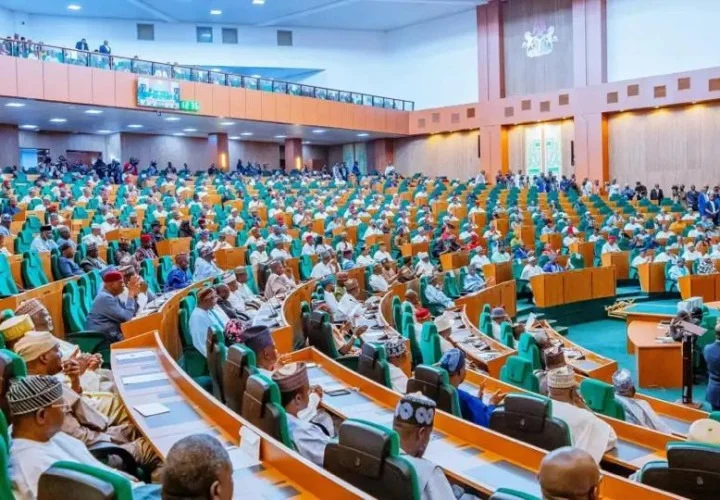
The minority caucus in Nigeria’s House of Representatives has paid solemn tribute to members of the armed forces who have died in the line of duty, describing their sacrifice as the bedrock of the country’s unity and survival.
In a statement issued in Abuja, the caucus honoured soldiers, airmen, ratings and other security personnel who lost their lives while defending Nigeria’s sovereignty and territorial integrity in wars, peacekeeping missions and internal security operations.
The lawmakers framed Armed Forces Remembrance Day as a moment not only for ceremonial observance, but for deep national introspection about the cost of peace and the obligations owed to those who bear arms on behalf of the state.
Calling January 15 “a solemn moment of national reflection,” the caucus said the annual commemoration offers Nigerians an opportunity to acknowledge the courage and sacrifices of past and serving officers and men of the Nigerian Armed Forces. Their dedication, the lawmakers noted, continues to underpin national unity, peace and security at a time when the country faces complex and evolving threats.
The minority caucus urged citizens to draw enduring lessons from the occasion by promoting peaceful coexistence, tolerance and mutual respect across ethnic, religious and regional lines. In their view, honouring the dead must translate into a renewed commitment to the ideals for which they fought: a united, stable and prosperous Nigeria.
The lawmakers stressed that the country’s security challenges, from terrorism and banditry to kidnapping and communal violence, demand not only military responses but also a stronger sense of shared nationhood. They argued that the sacrifices of fallen troops should inspire Nigerians to reject divisive rhetoric and work together to strengthen national cohesion.
Paying particular tribute to the bravery and professionalism of the armed forces, the caucus commended troops deployed in multiple theatres of operation across the country. From the North-East, where the military continues to confront Boko Haram and Islamic State West Africa Province, to the North-West and North-Central, where banditry and rural violence persist, and to other regions grappling with oil theft, piracy and separatist agitation, the lawmakers said the armed forces have remained on the frontlines of national defence.
“We recognise the enormous sacrifices being made daily by our gallant troops and commend their unwavering dedication to the defence of our nation,” the statement read. The caucus urged officers and men to remain resolute and undeterred in the discharge of their constitutional duties, even in the face of daunting odds and personal risk.
However, the lawmakers were clear that rhetorical praise is not enough. They called on the Federal Government to move beyond symbolic gestures and ensure that the welfare and operational needs of military personnel are treated as a national priority.
“Honouring our fallen heroes must go beyond ceremonial activities and translate into concrete actions that strengthen the morale and effectiveness of those currently serving,” the caucus stated. This, they argued, includes timely payment of salaries and allowances, adequate insurance and compensation for families of deceased personnel, decent accommodation, quality healthcare and robust post-service support for veterans.
The minority caucus also pressed for a comprehensive upgrade of the armed forces’ equipment and logistics. They urged the government to provide modern platforms, surveillance systems, protective gear and other critical assets required to combat insurgency and other forms of insecurity effectively.
According to the lawmakers, such measures would significantly enhance the capacity of the military to confront threats, protect communities and safeguard lives and property across the country. They warned that underfunding or neglecting the armed forces in a period of heightened insecurity would carry grave consequences for national stability and economic development.
The statement was signed by the Minority Leader, Kingsley Chinda; Minority Whip, Ali Isa; Deputy Minority Leader, Aliyu Madaki; and Deputy Minority Whip, George Ozodinobi, underscoring a united front within the opposition ranks on issues of national security and military welfare.
Beyond immediate policy demands, the caucus reaffirmed its commitment to using legislative tools to strengthen the armed forces. They pledged to pursue necessary legislative interventions to ensure that the military is adequately equipped, trained and supported to maintain national security and create an environment conducive to economic growth and sustainable development.
This, they suggested, could include reviewing existing defence laws, scrutinising budgetary allocations to the security sector, enhancing oversight of defence spending and supporting reforms aimed at improving transparency, accountability and professionalism within the armed forces.
The caucus’s intervention also drew attention to the historical roots of Armed Forces Remembrance Day in Nigeria. The observance traces back to the country’s participation in global conflicts, particularly the First and Second World Wars, where Nigerian soldiers fought under the British flag in distant theatres from East Africa to Burma. Many never returned home, and their contributions laid the foundation for the tradition of honouring fallen servicemen and women.
The day is also closely linked to the Nigerian Civil War of 1967 to 1970, a conflict that reshaped the country’s political and social landscape and tested its commitment to unity. January 15 was chosen to mark the formal end of that war, symbolising both the cessation of hostilities and the resolve to keep Nigeria as one indivisible entity.
Over time, Armed Forces Remembrance Day has evolved into a national ritual of remembrance and gratitude. Across the federation, the day is typically marked by wreath-laying ceremonies at cenotaphs and military cemeteries, military parades, gun salutes and interfaith prayers for the repose of the souls of the fallen and for the safety of those still in service.
Presidents, governors, service chiefs, traditional rulers, veterans’ groups and civil society organisations often participate in these events, which serve as a visible reminder of the human cost of war and conflict. In recent years, as insecurity has persisted in several parts of Nigeria, the symbolism of the day has deepened, resonating with families who have lost loved ones in ongoing operations.
The minority caucus’s message fits into this broader national mood, blending tribute with advocacy. While saluting the courage of the dead and the resilience of the living, the lawmakers insisted that remembrance must be matched by policy choices that protect those who protect the nation.