No one tells you when the last time will be. It doesn’t arrive with fanfare or warning. It’s often so ordinary that it feels wrong to call it final.
That morning, sunlight spilled across the linoleum floor of the hospice room, pale and cold. It made the metal bed frame gleam faintly. Amina sat on a hard chair that she’d pulled close to the bedside. She’d been there every day for three weeks, but that morning felt different. Her mother hadn’t spoken since the night before, just lay there breathing with a soft, slow rattle in her chest.
The morphine had stolen her sharpness, her jokes, the fire that had once made people say, “She’s tough as nails.” Cancer had taken everything else.
Amina held a small brush in her hand, the kind her mother had used to braid her hair every morning before school. It had a cracked wooden handle and soft bristles, worn down from years of care. Her mother had packed it in a small zip-up bag when she moved into the hospice. Amina hadn’t asked why.
Now, with hands that trembled more than she wanted to admit, Amina leaned forward and gently began brushing what was left of her mother’s thin, graying hair.
Stroke after stroke. Slow and quiet.
The television on the wall was muted, stuck on a weather forecast no one cared about. Outside the window, birds gathered on the sill, then flitted away again. The world, indifferent, kept spinning.
Amina’s phone buzzed in her coat pocket. She didn’t reach for it.
She had thought, many times, about taking a photo. She even lifted her phone once, weeks earlier, when her mom had laughed at something absurd, a joke about a nurse named Ada and unusually huge buttocks. But she couldn’t press the button. It felt wrong, somehow. Like it would shrink the moment into something too easy to look at. Too easy to scroll past.
This morning was even worse.
How could you photograph something like this? A daughter brushing her dying mother’s hair. Not out of vanity, or ritual, but out of love. Out of memory. Out of the desperate need to do something while time slipped through the cracks. There was nothing poetic about it. It wasn’t beautiful. It just was.
Amina paused when her mother stirred, her lips parting slightly.
“Mom?” she whispered.
A tiny flicker of recognition passed across her mother’s face. Barely more than a breath. Then it was gone.
She kept brushing.
Each stroke was a prayer, a plea: “Stay just a little longer.” But there was no answer.
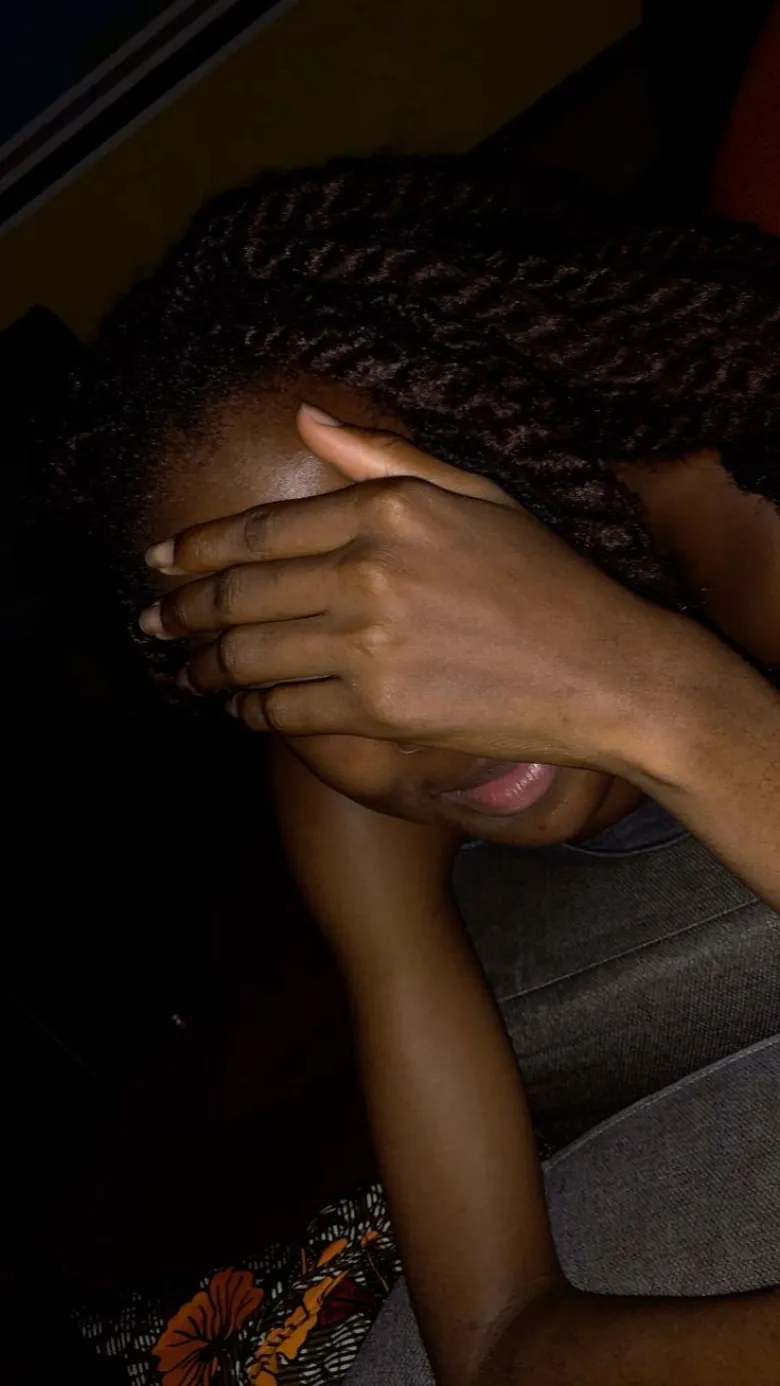
That evening, her mother died. Quietly. Amina was still there, still holding her hand. There was no last word, no final confession. Only the hush of finality.
Later, after the funeral, after the condolences, Amina returned to her apartment and found the old brush in her handbag. She sat on the edge of her bed, holding it like a relic. Her phone was next to her. She opened the gallery. Scroll after scroll of sunsets, coffee cups, and selfies.
But there was no picture of that moment.
And for a while, she regretted it. She feared it would slip away. That she’d forget the weight of her mother’s hair in her hand, or the silence of that morning, or the warmth of her breath as it faded.
But over time, she realized something deeper:
Some moments are not meant to be captured.
Some love is too full to fit in a frame.
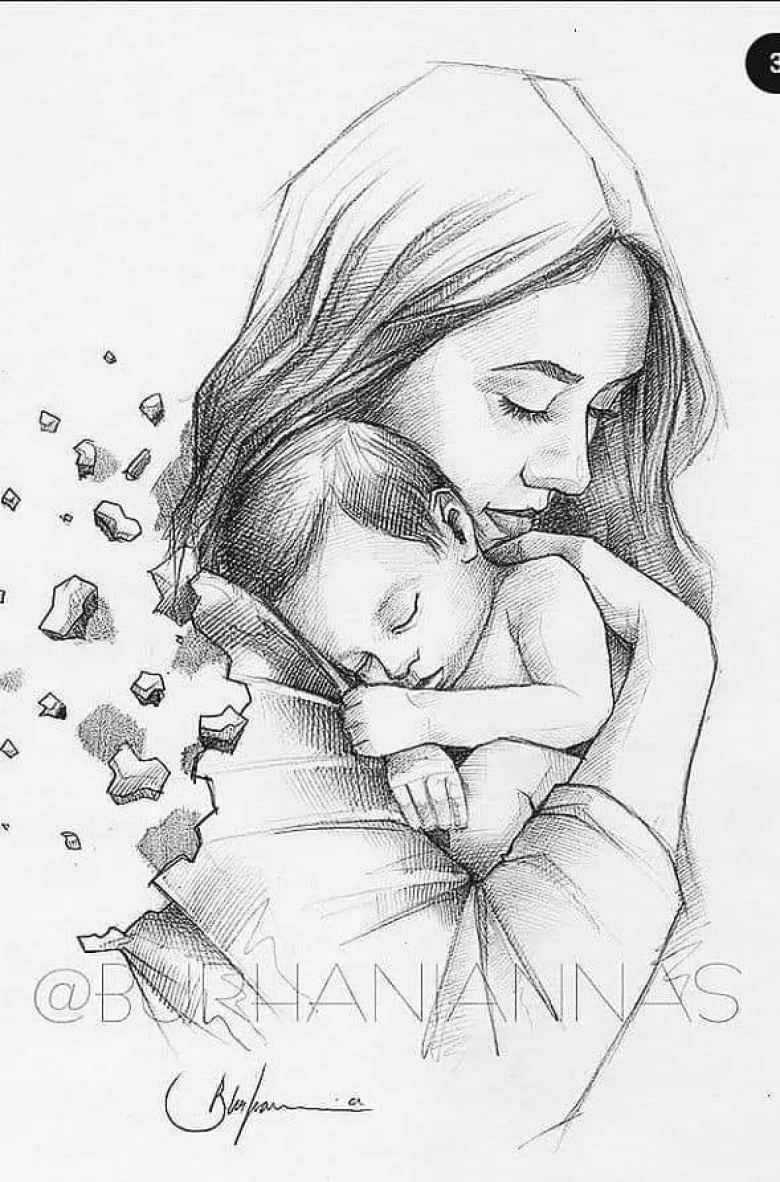
Years later, when her own daughter climbed into her lap one night, sick with a fever and whispering nonsense, Amina reached for a brush and gently ran it through her hair. And in that small, tender motion, quiet and ordinary, her mother returned to her. Not in pixels, not on a screen, but in muscle memory. In love passed down by hand.
And that mattered more than any photograph ever could.