MCOM110:COMPUTER FOR MASS COMMUNICATION
ASSIGNMENT:NEWS REPORTING
BY:ABDULLAHI HAUWA
REG:U25MM1067
The Nigerian Student Loan (NELFUND): An Opportunity for Access to Higher Education
Education is widely regarded as one of the most powerful tools for personal growth and national development. It equips individuals with the knowledge, skills, and values needed to contribute meaningfully to society. In Nigeria, however, many students face financial challenges that make it difficult to pursue higher education. Rising tuition fees, the cost of accommodation, books, transportation, and other living expenses have forced some students to defer admission or even drop out of school.
To address this challenge, the Federal Government of Nigeria introduced the Nigerian Education Loan Fund (NELFUND). The initiative provides interest-free student loans to eligible students in public tertiary institutions, making higher education more accessible. This article explores the importance of NELFUND, its benefits, the challenges it faces, and its potential impact on the future of higher education in Nigeria.
NELFUND The Nigerian Education Loan Fund (NELFUND) was established to implement the Student Loans (Access to Higher Education) Act. The programme was created to ensure that no qualified Nigerian student is denied the opportunity to pursue higher education because of financial constraints.
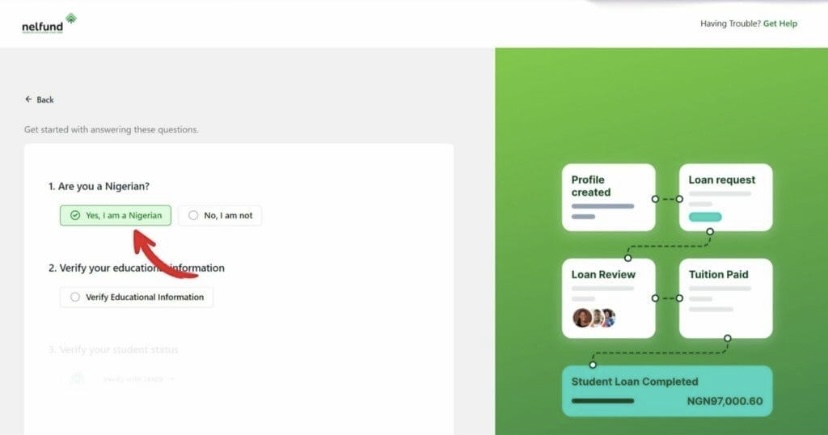
Unlike commercial bank loans, NELFUND offers interest-free loans specifically designed for educational purposes. Eligible students can receive financial assistance to cover tuition fees and, where applicable, upkeep expenses. The programme aims to reduce the financial burden on students and their families while promoting equal access to education.
The Importance of Higher Education
Higher education plays a significant role in national development. Universities, polytechnics, colleges of education, and other tertiary institutions prepare students for careers in medicine, engineering, law, journalism, agriculture, business, education, and many other fields.
An educated population contributes to economic growth, technological innovation, and good governance. Graduates also help solve social problems through research, entrepreneurship, and community service. Therefore, improving access to higher education is essential for Nigeria’s long-term development.
One of the greatest benefits of NELFUND is that it removes financial barriers to education. Many capable students come from families that struggle to pay tuition fees and other school-related expenses. With access to student loans, such students can continue their education without unnecessary interruptions.
Another benefit is that the programme promotes educational equality. Every qualified student, regardless of their economic background, has a better chance of obtaining a tertiary education. This creates a more inclusive educational system where opportunities are based on merit rather than financial status.
NELFUND also helps reduce the number of students who drop out of school due to lack of funds. Students can focus more on their studies instead of worrying about how to pay school fees. As a result, they are more likely to complete their programmes successfully.
Furthermore, the programme supports national development by producing more skilled graduates who can contribute to different sectors of the economy. A well-educated workforce strengthens Nigeria’s capacity for innovation, entrepreneurship, and sustainable development.
For many Nigerian students, NELFUND has become a source of hope. Students who previously believed that university education was beyond their reach can now pursue their academic dreams. Families with limited financial resources also experience some relief, knowing that their children have access to financial support.
The programme also encourages students to remain committed to their studies because they understand the importance of completing their education and becoming financially independent after graduation.
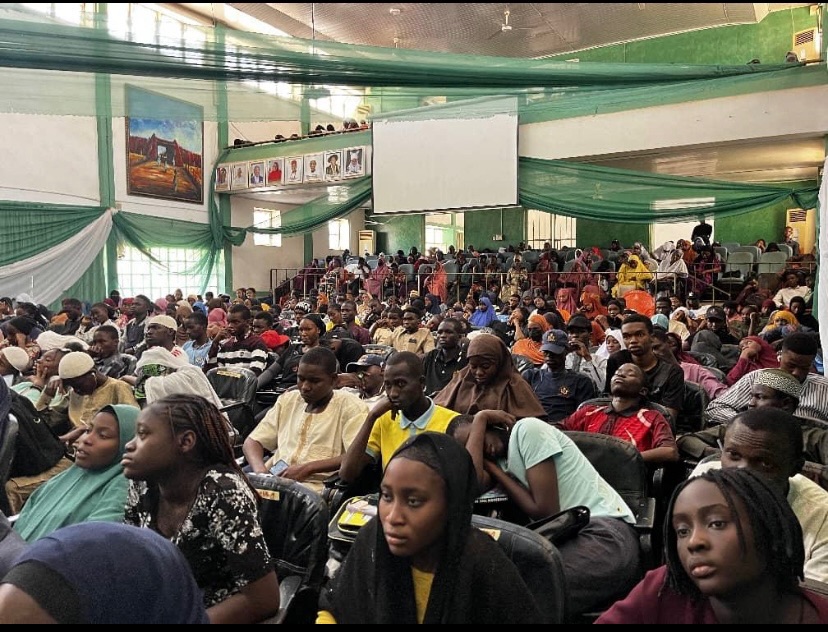
Despite its promising objectives, NELFUND faces several challenges. One major challenge is public awareness. Some students are still unaware of the programme or do not fully understand the application process.
Another challenge is ensuring that loan applications are processed efficiently. Delays in approval or disbursement can create difficulties for students who need funds urgently to pay fees or register for courses.
The sustainability of the programme is another important issue. The government must ensure that adequate funding is available so that future students can also benefit. In addition, graduates who receive loans are expected to repay them according to the guidelines, helping to sustain the fund for future beneficiaries.
To improve the effectiveness of NELFUND, awareness campaigns should be intensified in secondary schools and tertiary institutions. Students need accurate information about eligibility requirements, application procedures, and repayment policies.
The application process should remain simple, transparent, and technology-driven to reduce delays. Institutions should also work closely with NELFUND to verify student information quickly and accurately.
The government should continue monitoring the program to ensure that only eligible students benefit from the loans and that the funds are used responsibly.
The Nigerian student fund (NELFUND) is one of the best recent initiatives in the education sector because it gives students from low income families the opportunity to pursue higher education.
However, i believe the government should ensure that the application process is transparent, simple, and accessible to all eligible students. There should also be greater awareness so that students in rural areas and those with limited access to information can benefit from the program. If properly managed NELFUND can help to produce more graduates who will contribute positively to Nigeria’s economy and social development.
.jpeg?alt=media&token=96b327a5-8e62-4ed1-a078-308aff149ed1)