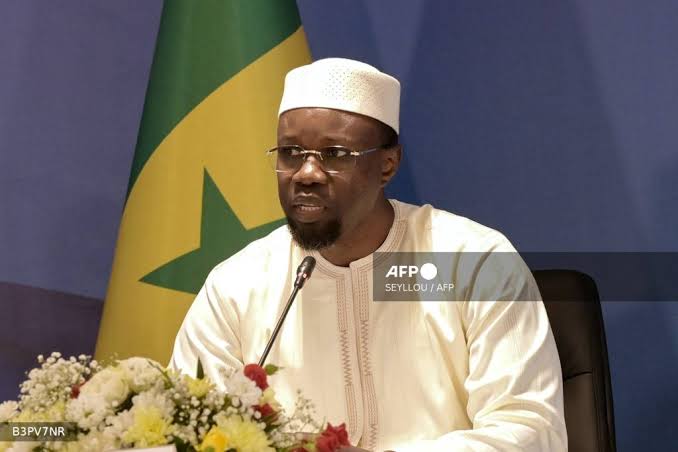
Senegal’s Prime Minister Ousmane Sonko has fiercely rejected what he describes as Western “tyranny” over homosexuality, vowing that his government will fully enforce a new law that sharply increases penalties for same-sex relations.
Addressing lawmakers in Dakar, Sonko accused Western countries of using their economic and media power to export values that clash with Senegal’s conservative social norms. He framed the dispute as a struggle for cultural sovereignty, insisting that Senegal would not bow to external pressure on questions of sexuality and family.
His comments follow the recent enactment of legislation signed by President Bassirou Diomaye Faye that doubles the maximum prison term for same-sex relations. The law targets what it calls “acts against nature” with sentences ranging from five to 10 years in prison, up from the previous one to five years. It also introduces penalties of three to seven years for individuals or organisations found guilty of promoting or financing same-sex relationships.
Homosexuality is already criminalised in Senegal, a predominantly Muslim nation where religious leaders and many political figures portray LGBTQ advocacy as an assault on traditional values. Rights groups say the new law has intensified a climate of fear, driving gay and lesbian Senegalese further underground and exposing them to heightened risks of arrest, extortion and violence.
Sonko, a polarising figure who built his political brand on nationalism and moral conservatism, has long advocated a harder line. Before becoming prime minister, he pledged to transform same-sex relations from a misdemeanour into a more serious criminal offence, arguing that the state has a duty to defend what he calls the moral fabric of society.
International human rights organisations have condemned the legislation, warning that it violates basic freedoms of expression, association and privacy. Western governments have also raised concerns, hinting that the law could strain diplomatic ties and complicate cooperation on security and development.
Sonko dismissed those criticisms as neocolonial interference. He insisted that Senegal’s legal choices reflect the will of its people, not the agenda of foreign donors or advocacy groups. For now, his stance underscores a widening rift between many African governments and Western partners over LGBTQ rights, with Senegal positioning itself at the forefront of resistance to liberalisation.