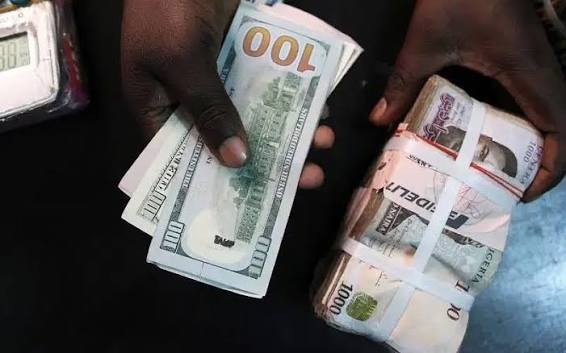
The Nigerian Naira weakened in the parallel market, slipping to about 1250 per United States Dollar, even as the official foreign exchange window showed signs of relative stability.
Data from the Nigerian Foreign Exchange Market indicates the Naira traded around 1340.88 per Dollar in the official window, reflecting a calmer pattern after a period of sharp swings driven largely by import demand and portfolio flows. Market participants say recent Central Bank interventions and improved liquidity have helped reduce extreme volatility, though underlying pressures remain.
On the streets, however, the story is different. Parallel market dealers are quoting the Dollar at a notable premium to the official rate, with cash transactions clearing near 1250 per Dollar. While the spread between both markets has narrowed compared with previous years, the informal segment still serves as a crucial barometer for households, students, small traders and businesses that struggle to access dollars through banks.
Analysts link the current level of stability to a mix of factors, including better crude oil output, firmer external reserves and a more transparent price discovery process in the official market. Reforms aimed at unifying exchange rates and curbing speculative demand have also tempered some of the earlier panic that drove the currency to record lows.
Yet caution dominates sentiment. Economists warn that global inflation trends, shifting interest rates in major economies and any downturn in oil receipts could quickly feed back into Nigeria’s currency market. A stronger Dollar globally tends to tighten financial conditions for emerging markets, and Nigeria is no exception.
For now, Bureau De Change operators report improved dollar availability compared with previous crunch periods, but say demand remains elevated as businesses restock, parents fund school fees abroad and importers seek to lock in rates ahead of potential swings.
Traders and analysts alike advise close monitoring of intraday movements, noting that even modest changes in supply can trigger sharp adjustments in the parallel market. With the Naira still under scrutiny from investors and consumers, the gap between official and street rates will remain a key measure of confidence in ongoing monetary and fiscal reforms.

.jpeg?alt=media&token=96b327a5-8e62-4ed1-a078-308aff149ed1)