ISLAM(PEACE) AS A RELIGION
By [IBRAHIM ALAMIN AMINU/U25MM1117]
Published: July 10,2026
IN a rapidly changing global landscape, Islam remains one of the world’s most discussed religions and as the highest population of believers. While often viewed through the lens of geopolitics, the core teachings of Islam center on a deeply personal and communal journey toward peace, spiritual discipline, and ethical living.
Islam: Outward Practice
The physical expression of faith is built upon the Five Pillars of Islam, which serve as the foundation of daily Muslim life:
• The Declaration of Faith (Shahada): Testifying that there is only one God and Muhammad is His messenger.
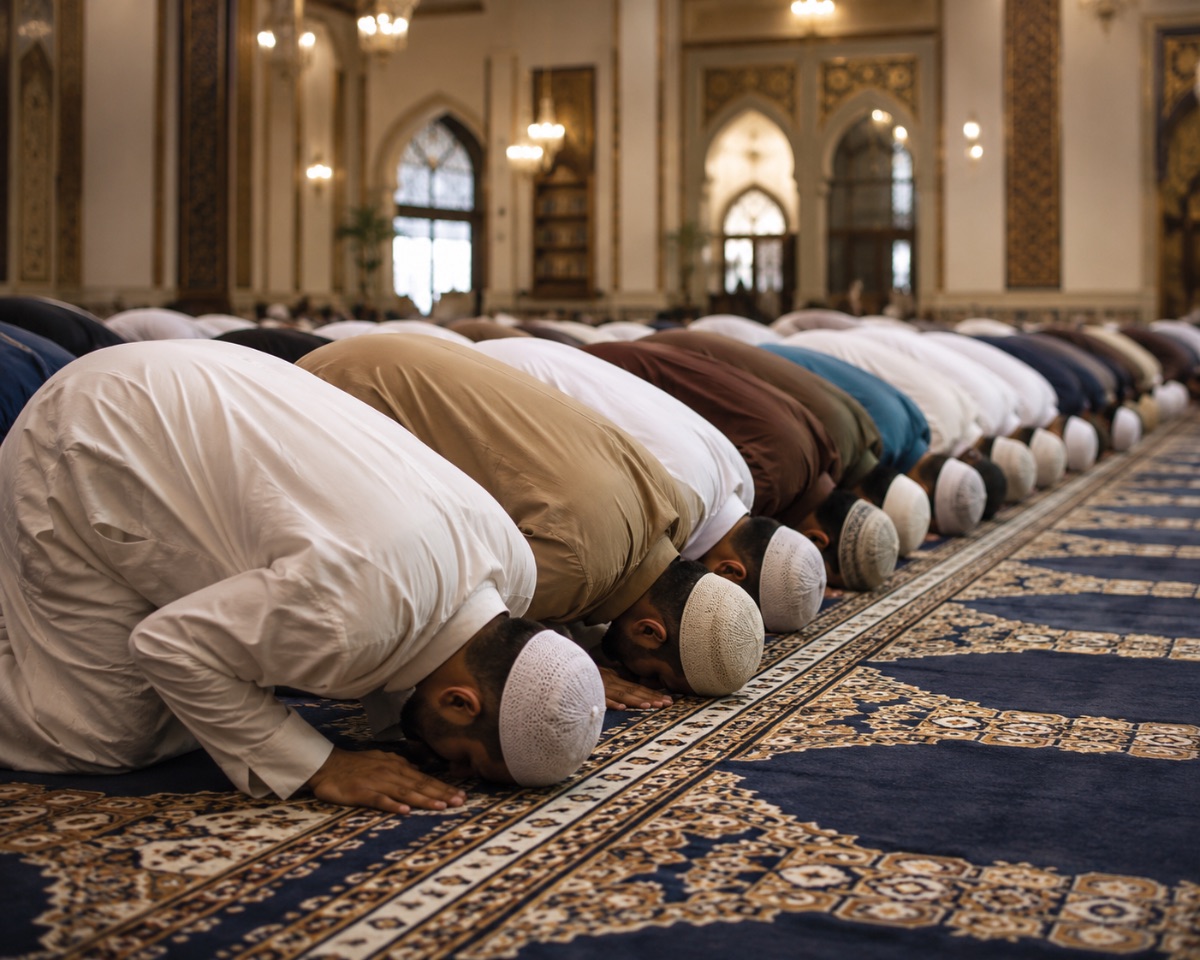
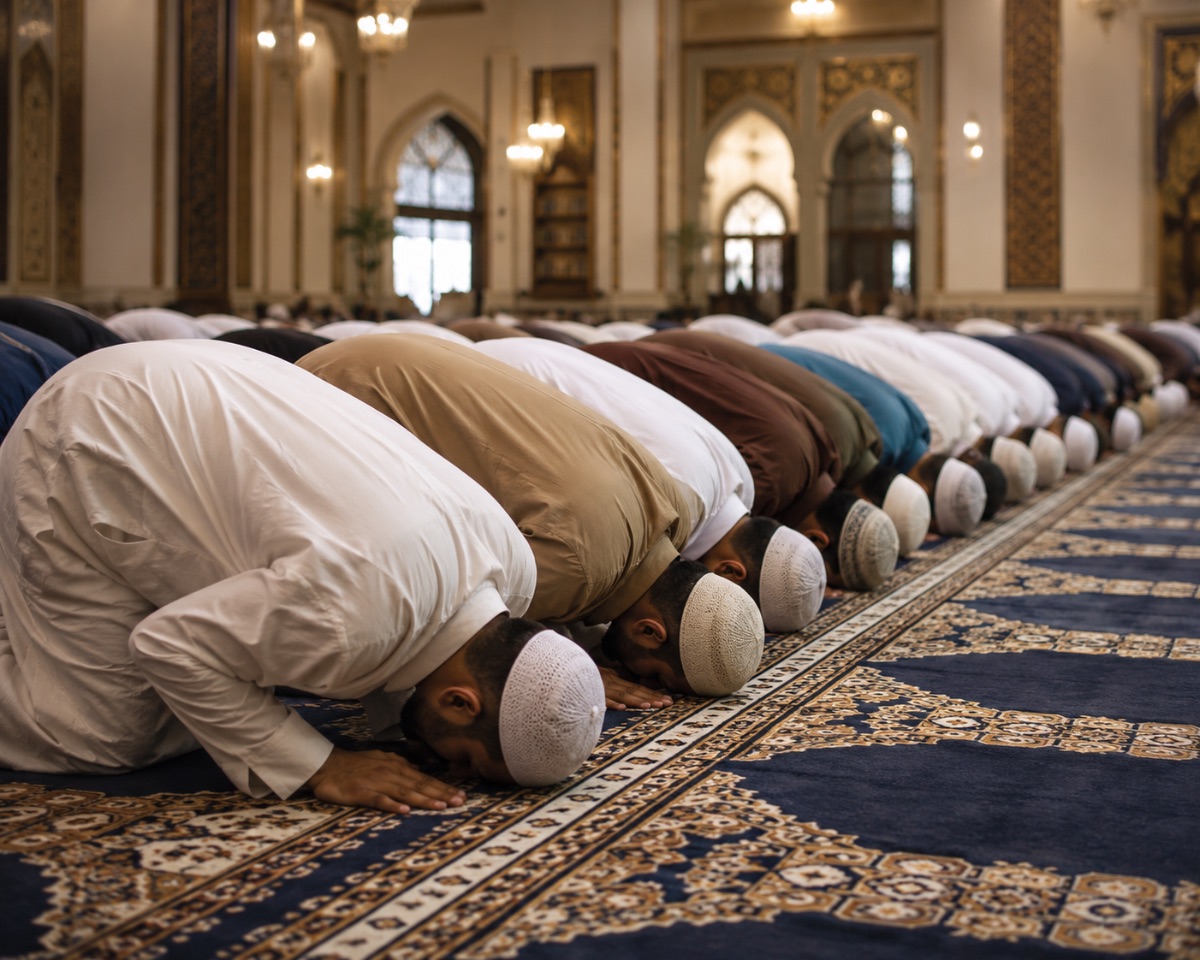
• Ritual Prayer (Salah): Establishing connection through five daily prayers.
• Almsgiving (Zakat): A mandatory act of charity where Muslims give 2.5% of their accumulated wealth annually to those in need.
• Fasting (Sawm): Self-purification by fasting from dawn to sunset during the holy month of Ramadan.
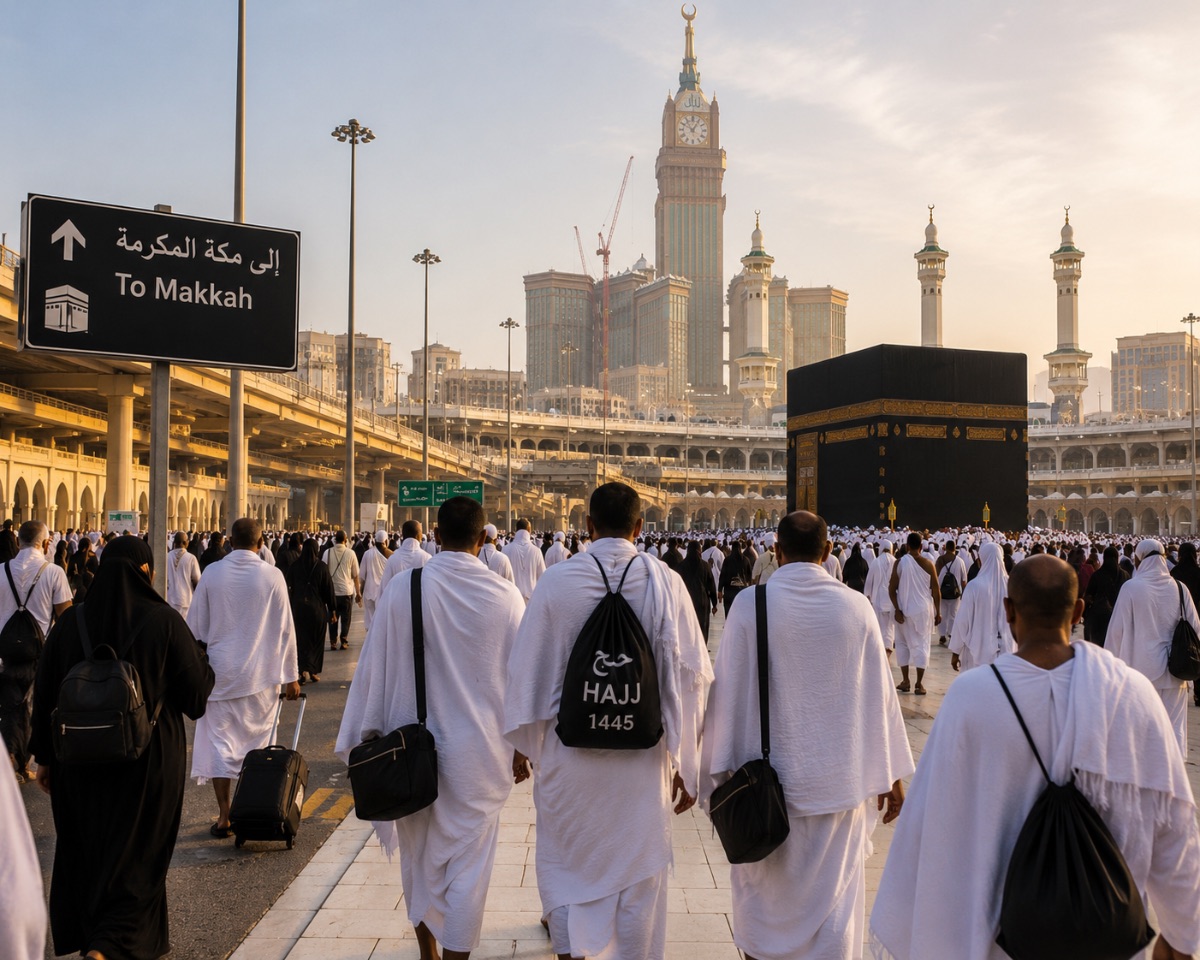
• Pilgrimage (Hajj): The journey to the holy city of Mecca, required once in a lifetime for those who are physically and financially able
Iman: Inward Belief
While outward actions are vital, they must be fueled by genuine internal conviction, known as Iman (faith). This involves absolute belief in God, His angels, His revealed scriptures (including the Torah, Gospel, and Quran), His prophets (from Abraham and Moses to Jesus and Muhammad), the Day of Judgment, and Divine Decree.
Ihsan: Spiritual Excellence
The pinnacle of Islamic character is Ihsan. Prophet Muhammad described it as: Worshipping God as though you see Him; and if you cannot see Him, knowing that He sees you.
More Than a Religion: A Way of Life
In Western contexts, "religion" is often categorized strictly as personal rituals. However, Islamic theology refers to Islam as a Din—a comprehensive way of life.
The Din of Islam guides everything from personal hygiene and family ethics to social justice, fair business practices, and community welfare. It is a framework designed to bring balance to both the individual and society. Furthermore, Muslims do not view Islam as a new religion founded in 7th-century Arabia. Rather, they see it as the restoration and culmination of the primordial faith preached by all of the previous me messengers of GOD
The history of Islam is one of the most rapid and far-reaching cultural, spiritual, and geopolitical expansions in human history. What began in the early 7th century as a quiet, spiritual movement in the rugged mountain caves of Mecca quickly evolved into an empire stretching from the Atlantic Ocean to the borders of China.
To understand the modern world, one must understand the major epochs of Islamic history—a story of faith, profound intellectual advancement, geopolitical shifts, and cultural synthesis.
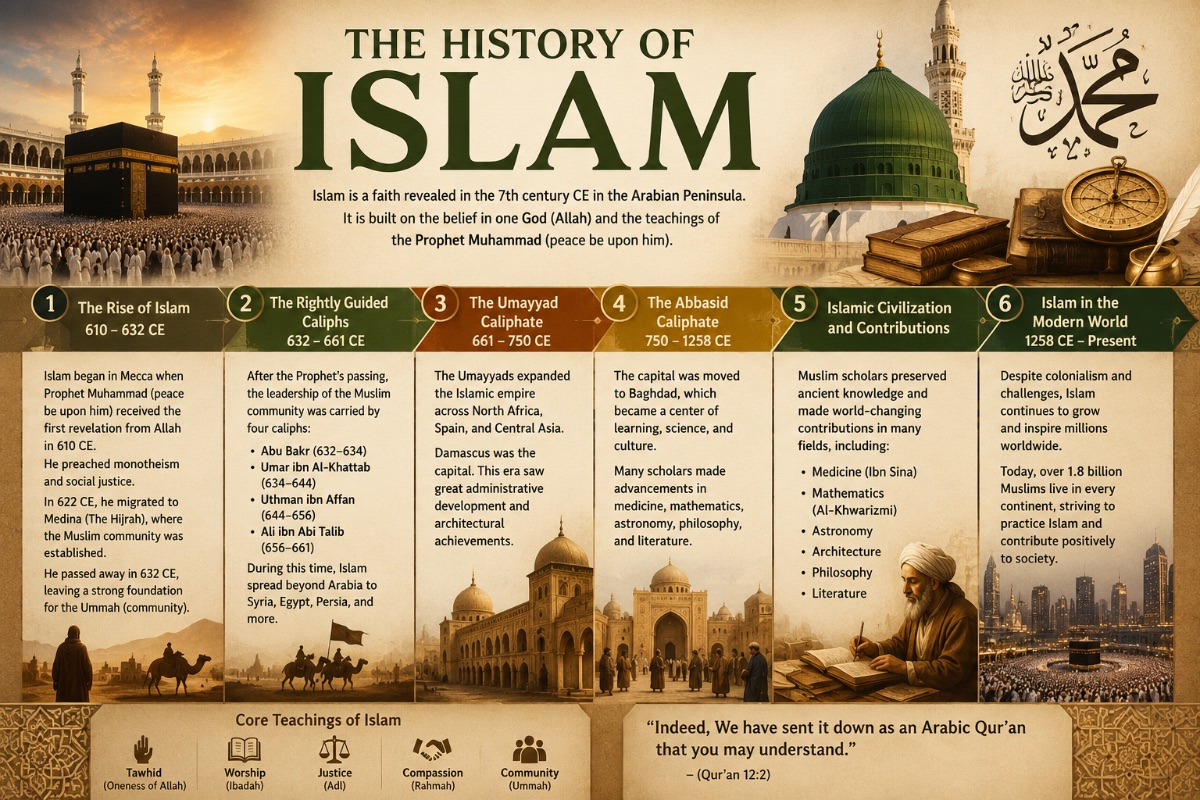
The historical narrative of Islam begins in the year 570 CE with the birth of Prophet Muhammad in the caravan city of Mecca. At the age of 40, during a spiritual retreat in the Cave of Hira, Muhammad received what Muslims believe was his first divine revelation through the Archangel Gabriel though it was stated dat he was not the first prophet, he his the youngest among the prophets and the leader of them all .
For the first 13 years, the early Muslim community faced severe persecution from Mecca’s pagan ruling elite. This culminated in the Hijrah (migration) in 622 CE, when the Muslims fled north to the oasis city of Yathrib, later renamed Medina ("The City").
In Medina, Muhammad established the first sovereign Islamic state, unifying warring tribes under a single social contract. By 630 CE, the Muslims returned to Mecca peacefully, clearing the Kaaba of its pagan idols. By the time of the Prophet's death in 632 CE, nearly the entire Arabian Peninsula had united under the banner of Islam.
The Rashidun Caliphate (632–661 CE): The "Rightly Guided" Successors
Following the Prophet's death, the young community faced an immediate crisis of succession. This led to the establishment of the Rashidun Caliphate, led successively by four of the Prophet's closest companions: Abu Bakr, Umar, Uthman, and Ali.
During this brief 30-year period, the caliphateexpanded with astonishing speed. Leveraging the exhaustion of the neighboring Byzantine and Persian Empires,