The sky was pregnant with hot rain; the air reeked of fumes; they swam in the brimful bucket of water, fighting with the oil slick. The breaking of dawn was survival of the fittest, both man and nature wrestled with their lungs, their nostrils a storage of soot.
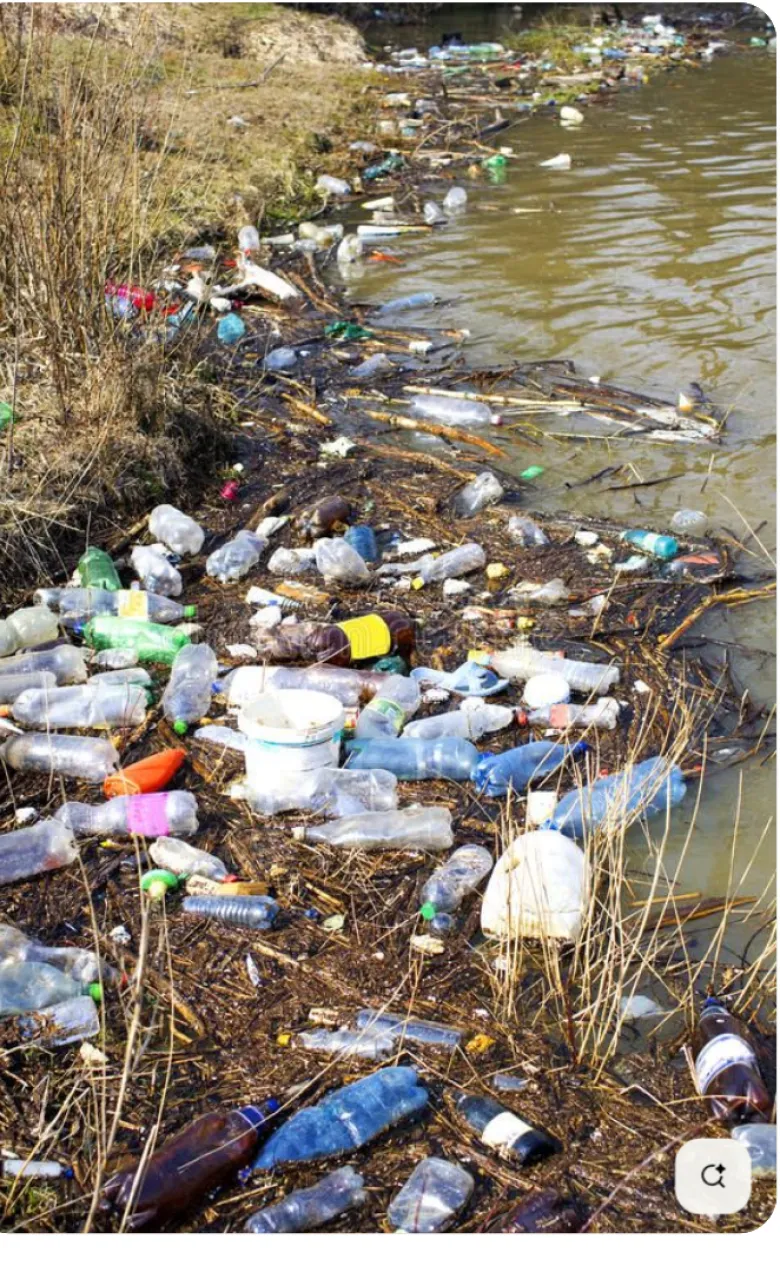
Papa's arrival with lifeless tilapias, prawns, periwinkle, and catfish was no more a sight to celebrate, but a melancholic call. Mama was wrapped in delusion; seeing her farm enveloped in oil spillage was heart-wrenching. Her toil was lost in a few minutes. "Is the crop dead?" I inquired and her head took the stead of her voice. In tears, we watched the plastics dance on top of the rivers and homeless children answered nature's call over the bridge.
"It's well." This was the only statement I could utter out loud, straining my voice to be heard in the bustling street full of the chaotic sound of engines. The chirping, singing, and the whoosh sound of nature were drowned out by the sonority of metals. Day and night at home was a protest parade. Every placard read "save the land." Every media channel reported a high level of cholera in children. As the sun rises each morning, each home loses a beloved. The land wept, humans wept, and nature lost its home.
My voice for environmental change echoed the expanse of Ijola Oloye. It beckoned many ears for change and all hands were on deck. Days turned into months and into a year, the river found serenity and its bodies regained home. The land healed, and seeds in them sprouted in hope. The sky turned crystal as it rained peace again. The songs of birds rose with the sun and the chirping of crickets set with the sun. Iloja Oloye found peace.