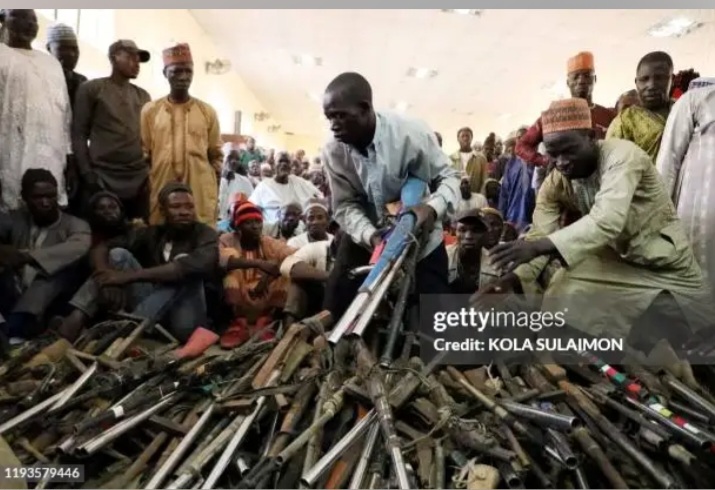
Nigeria has endured years of kidnapping, abduction, banditry and senseless killings,so many that the nation now breathes fear the way it once breathed hope. From the villages in the North to the highways in the South, from quiet towns to busy cities, stories of attacks, disappearances and brutality echo across the country. Families are shattered, communities are traumatized and countless citizens wake up each morning uncertain of what dangers the day may bring. People who once moved freely now travel with silent prayers pressed against their lips, trusting God to take them safely from one point to another. It has become the reality of a nation that deserves better.
Yet despite the weight of these tragedies, the people who hold the power to end this nightmare often remain untouched and unmoved. Decisions are made in comfortable offices, far from the cries of victims. Statements are issued, committees are formed, promises are recycled, and nothing changes. The insecurity persists and the painful truth is that those who control the country’s security machinery do not feel the sting of the crisis they are supposed to solve.
And the reason, though uncomfortable, is painfully simple.
Have they ever been kidnapped
Have their children ever been abducted
Have their wives brothers or parents ever been tormented brutalized or killed by these criminals
The honest answer is no. And that simple reality explains a large part of Nigeria’s tragedy. A leader who has never felt the bite of the crisis he governs is unlikely to grasp its urgency. He may sympathize, he may condemn the attacks, he may say the right words in public, but he does not feel the same fear that keeps ordinary Nigerians awake at night. The crisis has not entered his home, touched his children, or shaken the foundations of his own security. And because of that, the urgency remains weak, the empathy remains distant and the motivation to act decisively remains low.
This is why Nigeria’s insecurity has slowly transformed into a political chessboard instead of a national emergency. It has become a matter of political strategy, not human survival. Leaders often treat the crisis as a talking point -something to debate, something to promise, something to blame the opposition for, rather than something that demands immediate, relentless action. When insecurity becomes political rather than personal, the victims become statistics rather than human beings. Their pain becomes another number in a report, another headline, another temporary outrage that fades when a new issue arises.
Leaders rarely fight battles they do not personally feel. They do not lose sleep the way ordinary citizens do. While regular Nigerians must navigate roads controlled by kidnappers, these leaders move with armed escorts who clear the way long before danger appears. While everyday families live behind simple doors and makeshift security measures, leaders live behind gates guarded by trained officers. Their children travel abroad or attend private schools wrapped in layers of protection. Their spouses fly internationally for medical care and their families move with confidence that danger will never come near their gates.
So tell me -why would they care
Why would urgency drive them when the bullets and the kidnappers never come close to their lives
Why would they fight with passion when the war is not happening in their homes
This lack of personal experience is at the root of Nigeria’s persistent insecurity. A leader who has never felt fear does not understand fear. A leader whose children move freely abroad cannot grasp the terror faced by children who attend school in unsafe regions. A leader who has never buried a relative killed by bandits cannot understand the grief that has soaked so many Nigerian homes.
Today in Nigeria, the death of an innocent person has become part of political statistics,quoted analyzed debated and quickly forgotten. Numbers replace names. Reports replace mourning. Speeches replace action. Human lives are now headlines for a week and then buried beneath newer crises. The cycle repeats endlessly: tragedy, outrage, promises, silence.
But the truth is simple and undeniable.
Nigeria’s insecurity will only end when those in power feel the pain that citizens feel daily.
It will end when leaders are no longer insulated from the consequences of their own neglect.
It will end when protecting the people becomes a personal duty, not a political performance.
When leaders truly understand fear, they respond with urgency. When they understand grief, they act with compassion. When they experience insecurity,even in small ways-they immediately push for change, reforms, and protection for everyone. This is not because their hearts are hard, but because human beings react more strongly to pain they themselves feel.
Sadly, Nigeria has not reached that point. The gap between the world of the leaders and the world of the citizens remains too wide. And as long as that gap exists, the crisis will continue to spread across the land like a wildfire no one wants to extinguish.
Until then, Nigerians continue to rely on God’s protection. They continue to pray for journeys, for security, for safety in their homes. They pray for a country where every life matters.Not only the lives of the privileged few. They pray for the day leadership will finally rise to its responsibility and place human security above political interest.
May God pay everyone in his own coin
And until real leadership emerges -leadership that truly values human life above all else-please stay safe