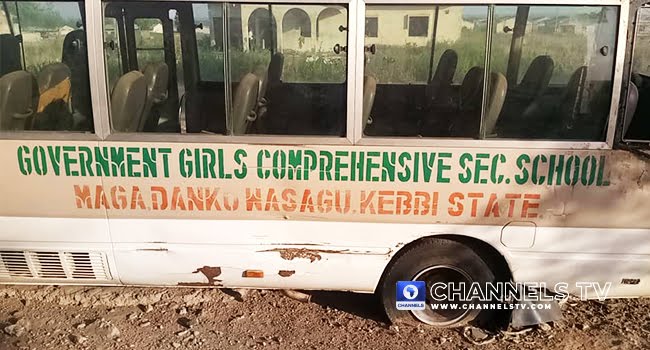
In a heartbreaking attack that has shaken communities to their core, gunmen descended upon a high school in northwestern Nigeria, seizing 25 schoolgirls and leaving at least one staff member dead. As news broke, a wave of despair swept through local families, and the nation grappled with the chilling reality of insecurity in their daily lives.
The pre-dawn assault in Kebbi State, unfolding at around 4 a.m., has left parents in sheer agony. Many are left questioning the motives behind such a heinous act, with fear now a constant companion. "How could this happen again?" some ask, their voices filled with disbelief and anger, echoing sentiments shared across social media platforms where outrage simmers beneath the surface.
Security analyst Oluwole Ojewale voiced a frustration that resonates with many: "The pain is national. It’s not just about the girls; it’s about our collective trauma. The government appears powerless, and we cannot help but feel that the terrorists thrive on our despair," he remarked. His words resonate with a significant portion of the populace who feel abandoned in the face of escalating violence.
But amidst the despair, there are those who express admiration for the resilience of the affected families and the efforts of organizations like UNICEF and Save the Children, which rally support and raise awareness about the plight of kidnapped children. "At least someone is trying to help," a community member stated, reflecting a small flicker of hope amidst widespread anguish.
Meanwhile, the police confirmed the attackers, armed with sophisticated weaponry, engaged in a violent exchange with security guards, a detail that has stoked local anger. "How can we protect our children when the attackers are better armed than our protectors?" lamented a concerned parent, echoing a sentiment of helplessness felt by many.
As the security crisis deepens, communities are left to navigate an environment where armed bandits roam freely, specializing in kidnapping for ransom. "We are living in a nightmare. It’s as if fear has become a part of our daily lives," said another resident, signifying a growing apathy towards government promises of security that seem increasingly hollow.
In the shadow of Boko Haram's infamous Chibok kidnapping in 2014, the haunting memory of abduction lingers, with over 1,500 children taken since that tragic event. Each new incident feels like a fresh wound for families, and the cycle of trauma seems never-ending. "We can’t just forget," one elder remarked, his voice thick with grief, signifying a collective memory that refuses to fade.
Yet, amid despair, there was a brief moment of joy when more than 130 schoolchildren were rescued in March 2024 after two weeks in captivity, a sigh of relief for some families. A resident reflected, "It’s a small victory, but we need so much more." This fleeting success is a reminder of the fragility of hope in a landscape marred by violence.
Despite government efforts to curb school raids,such as the controversial decision to close institutions temporarily,fear persists in the hearts of students and parents alike. "We send our children to school, but our hearts are heavy with worry," articulated a mother, capturing the mixed feelings of vulnerability and resilience that define life in a region besieged by uncertainty.
As communities continue to grapple with grief, outrage, and the pangs of apathy, the collective voice grows louder, demanding action, accountability, and a return to safety for their children. In a nation divided by despair yet united in its longing for change, the fight against such tragedies remains a pressing battle.