The Epstein-Barr virus (EBV) is one of the world's most common viruses, thought to be lurking in 95 percent of adults. For most, it causes no obvious symptoms.
But EBV is more than a short-term infection.
Once it enters the body, EBV can stay for life, and it has been linked to several cancers, multiple sclerosis, and other severe health complications. Now, new research has given us a promising way to fight it.
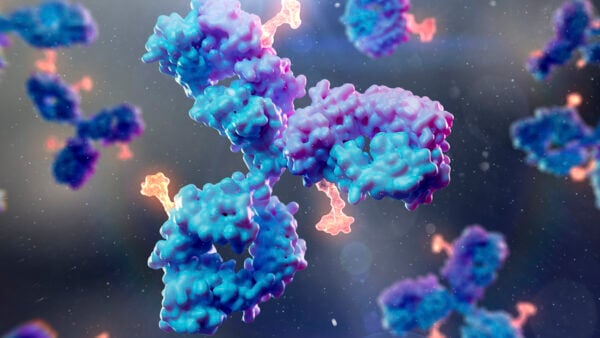
A team from the Fred Hutchinson Cancer Center and the University of Washington in the US developed antibodies that target two proteins on the surface of EBV particles.
These proteins help the virus unlock access to our B cells, a type of white blood cell that plays a central role in the immune system.
Blocking their activity would prevent EBV from taking hold in the first place and may also be enough to prevent its reactivation later in life.In experiments with mice carrying human-like immune systems, one of those antibodies protected the animals from EBV infection.
The work done here also gets around a perennial problem with developing EBV antibodies: the virus is so ubiquitous in its attack on the body that finding specific immune cells designed to fight it and to base antibodies on becomes very difficult.
"Finding human antibodies that block Epstein-Barr virus from infecting our immune cells has been particularly challenging because, unlike other viruses, EBV finds a way to bind to nearly every one of our B cells," says biochemist Andrew McGuire.
“We decided to use new technologies to try to fill this knowledge gap and we ended up taking a critical step toward blocking one of the world's most common viruses.”