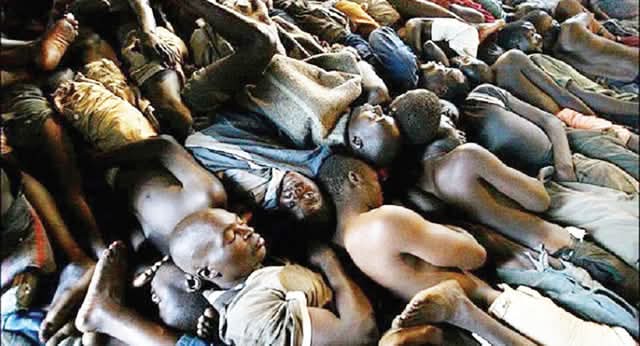
The Nigeria Correctional Service (NCoS) has disclosed that awaiting trial inmates account for about 64 per cent of the total prison population in the country, a situation that continues to strain correctional facilities and highlight inefficiencies in the justice system. Speaking before the House of Representatives Committee on Reformatory Institutions in Abuja, Controller-General Sylvester Nwakuche said that as of February 9, 2026, there were 80,812 inmates nationwide, with 51,955 still on trial, 24,913 convicted, and 3,850 held under other detention categories. The figures reflect a significant backlog in court processes, contributing to overcrowding in custodial centres that were often built decades ago.
Nwakuche stressed that the heavy influx of awaiting trial persons (ATPs) has placed enormous pressure on the correctional system’s capacity and operations, undermining its mandate to not only confine but also rehabilitate and reintegrate offenders. With most facilities operating far beyond designed limits, the NCoS has been forced to prioritise recurrent expenditures such as feeding and personnel costs, even as capital investment for infrastructure upgrades remains limited. During the 2025 budget performance review, only a small portion of the capital appropriation was released, hampering efforts to expand and modernise custodial centres across the country.
To address these challenges, the Service is seeking an increased budget for 2026, coupled with reforms aimed at easing congestion — including enhanced funding for non-custodial measures, improved infrastructure, and better coordination with prosecuting agencies to expedite trials. Lawmakers have also called for urgent interventions, such as presidential assent to the Correctional Service Trust Fund Bill, improved facility conditions, and broader justice sector reforms to reduce prolonged pre-trial detention. Advocates argue that streamlining court processes and bolstering alternative dispute resolution mechanisms would not only decongest prisons but also uphold human rights and reduce costs associated with extended detention without conviction.

.jpeg?alt=media&token=96b327a5-8e62-4ed1-a078-308aff149ed1)