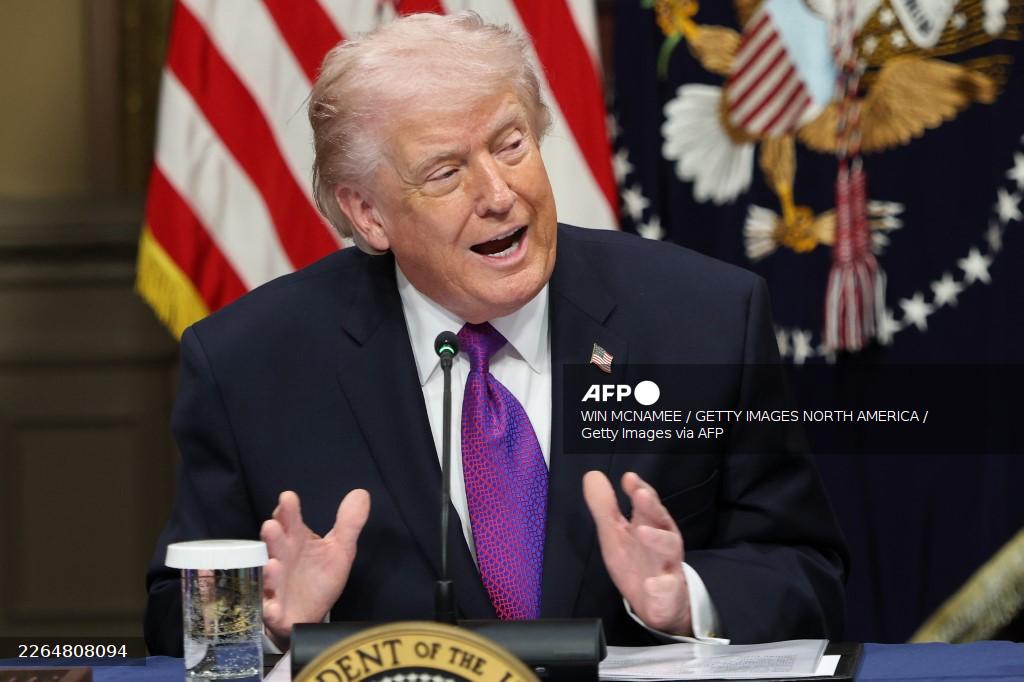
Tehran was shaken by a new wave of explosions as United States President Donald Trump claimed the war with Iran could be over “in two weeks, maybe three,” even as fighting raged across the region and diplomatic efforts remained opaque.
The conflict erupted after coordinated US and Israeli airstrikes inside Iran killed supreme leader Ayatollah Ali Khamenei, a dramatic escalation that rapidly drew in allied and proxy forces from Lebanon to Yemen. The war has driven up global oil and gas prices, rattled financial markets and raised fears of a prolonged shock to the world economy.
Iranian state television reported fresh strikes on the capital, with blasts heard near the former US embassy compound, now a museum known as the “Den of Spies,” a potent symbol of decades of hostility between Tehran and Washington. Iranian outlets also reported attacks on major steel complexes in central and southwest Iran, describing “significant damage and destruction.”
The Israeli military said it carried out the latest strikes and also intercepted an Iranian missile barrage that wounded at least 14 people, including an 11-year-old girl. Israel further reported downing a missile launched from Yemen, the third such attack since Iran-aligned Houthi rebels formally entered the war.
Across the region, the human toll continues to climb. In Lebanon, strikes around south Beirut killed seven people, according to the health ministry. Israeli forces said they were targeting a senior Hezbollah figure; security and Hezbollah sources identified him as Yousef Hashem, the group’s top commander for Iraq operations. Witnesses described a blackened street littered with debris and residents sleeping outdoors in fear of renewed bombardment.
Lebanon was pulled into the conflict when Hezbollah, backed by Tehran, opened a front against Israel. Israeli air and ground operations have since left more than 1,200 people dead in Lebanon, according to its health ministry, and displaced large numbers of civilians.
The fighting has spilled deep into the Gulf. Iran has struck states it accuses of hosting or facilitating attacks, with incidents reported in the United Arab Emirates, Kuwait, Bahrain, Saudi Arabia and waters off Qatar. Drone and missile interceptions have become a daily feature of life near key airports and shipping lanes, feeding a sense of relentless insecurity.
Iran has tightened its grip on the Strait of Hormuz, a chokepoint for about one-fifth of global oil shipments. Energy prices have surged, pushing up inflation in major economies and forcing governments to roll out emergency support measures. Markets briefly rallied after Trump’s optimistic timeline for ending the war, but officials in Tehran insist there are no formal negotiations and deny responding to a reported US proposal.
Iranian President Masoud Pezeshkian has signalled conditional openness to a settlement, saying Tehran has the “necessary will” to end the war if it receives credible guarantees that hostilities will not resume. Yet Trump has simultaneously threatened to “obliterate” Iran’s oil infrastructure and even key desalination plants if no deal is reached, underscoring the gulf between rhetoric about peace and the reality of an expanding, volatile conflict.