When Emmanuel Akuoko stepped off the repatriation flight to Accra, he carried little more than a suitcase and a sense of defeat. The 34-year-old Ghanaian entrepreneur had spent a decade in South Africa, convinced he would one day return home as a success story. Instead, he arrived with a business sold in haste, a church project abandoned and a dream dismantled.
Akuoko first travelled to South Africa after completing a mathematics degree at Ghana’s Kwame Nkrumah University of Science and Technology. Drawn by reports of a shortage of maths teachers, he joined a wave of West African graduates seeking stable work in South Africa’s public education system.
For a time, the plan worked. He taught in public schools and sent money home, proof to his family that the sacrifice was worth it. But in 2018, his life began to unravel. He says his immigration status lapsed when authorities failed to renew his residency documents, leaving him unable to continue teaching. Similar complaints have been echoed by other African migrants, who describe long delays and rejections that push them into irregular status.
Forced out of the classroom, Emmanuel reinvented himself as a hairdresser, opening a small salon in a township neighbourhood. The shop became both livelihood and refuge, a place where fellow migrants gathered to share news, worries and strategies for survival.
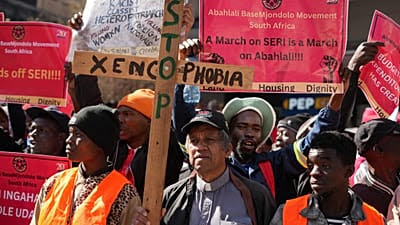
Outside its doors, however, the atmosphere was changing. Anti-immigrant groups were gaining visibility, accusing foreign nationals of taking jobs and fuelling crime. While South Africa’s president has publicly rejected such claims, the rhetoric on the ground was harsher and more personal.
For Emmanuel, xenophobia was not only the threat of mob violence captured in viral videos. It was the quiet hostility of daily life: the shopkeeper who refused service, the neighbour who warned him to “go back before it’s too late,” the children who stopped him in the street to ask when he would leave their country.
Those questions, he says, cut deepest. “When a child asks you when you are going back, you realise this thing is now part of their upbringing,” he recalls. “It means tomorrow will be worse.”
As online calls for foreigners to leave intensified, fear became routine. Emmanuel limited his movements, avoided crowded areas and kept his documents close, even as he struggled to renew them. Friends sent him videos of migrants beaten in the streets, some of them people he recognised.
When the Ghanaian government arranged voluntary repatriation for citizens who felt unsafe, Emmanuel made a decision he had long resisted. Within days, he sold his salon for about 600 dollars, a fraction of what he had invested. The unfinished church he had been helping to build was left behind, along with furniture, equipment and a community he had tried to call home.
Back in Ghana, he is starting again from zero, haunted by the sense of a promise broken. He had told his family he would return only after securing a better future for them. “We never planned to come back like this,” he says. “We wanted to return after we had made it. Now we are back with nothing but our lives.”




.jpeg?alt=media&token=96b327a5-8e62-4ed1-a078-308aff149ed1)

