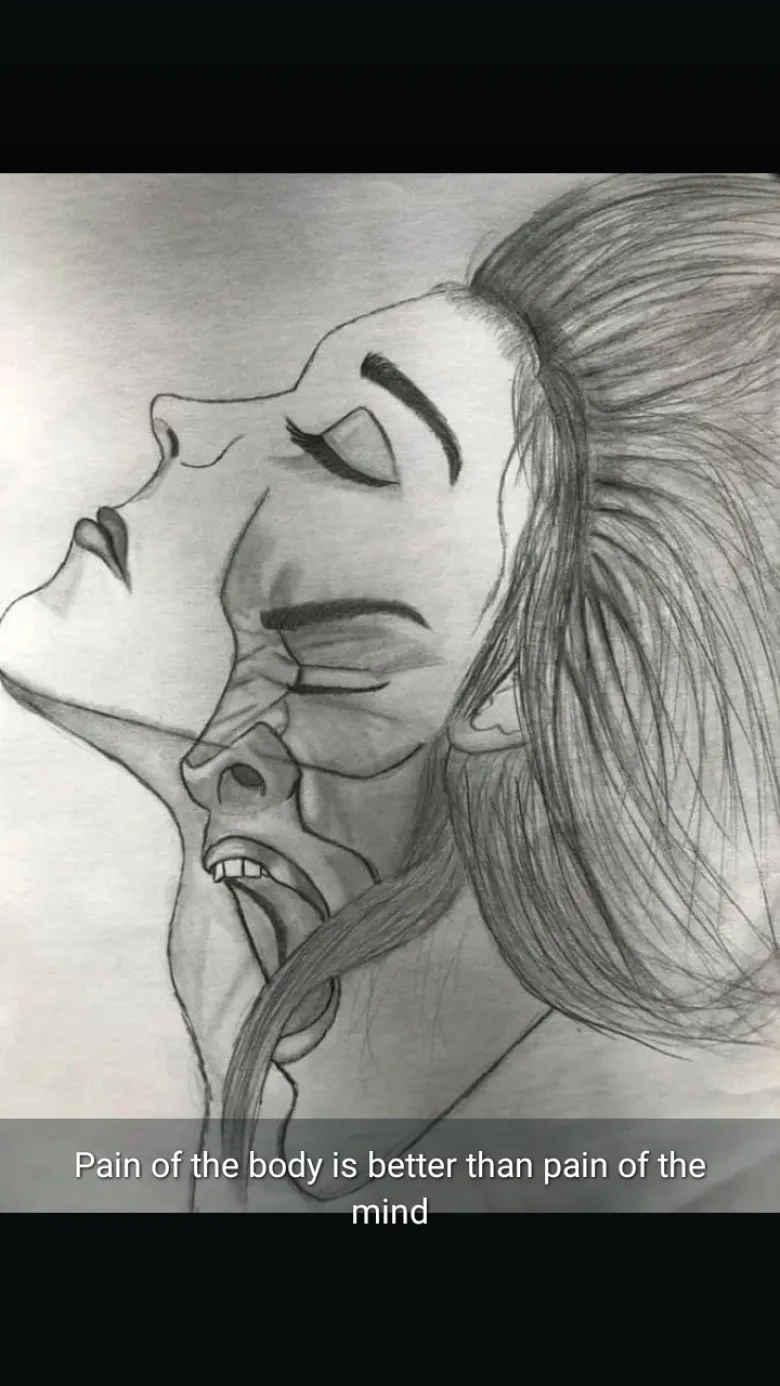
The Last Note
The piano sat untouched in the corner of the room. Its keys, yellowed with age, held a memory of a life long gone. Julia stared at it, the weight of the past pressing down on her chest. It had been two years since her mother passed away, but the silence in their home felt like it was still filled with her presence.
Julia had once shared a deep bond with her mother through music. Her mother, a talented pianist, had taught her how to play before she could even read. Music had been their language, their way of connecting in a world where words often failed.
After her mother’s sudden death, the piano became a symbol of all she had lost. Julia had stopped playing. She couldn’t bring herself to touch the keys, to hear the melodies they once shared. Every time she walked past the piano, a pang of grief would strike her heart, and she would look away.
But today was different.
Julia had spent the morning pacing around the house, trying to distract herself. But no matter how hard she tried, her mind kept returning to the piano. Finally, she walked to it, her fingers trembling as they hovered over the keys. Her mother’s last note—the one she had never finished before her illness claimed her—rang in her mind.
She closed her eyes, remembering. The note was supposed to be part of a song they had been working on together. It had been meant to be their piece, something they would perform as a duet. But now, it was incomplete. That last note was the one thing that had never been finished, and it had haunted Julia ever since.
With a deep breath, Julia pressed her fingers onto the ivory keys. The sound that emerged was soft and tentative, just a few chords. She hesitated, but then her hands found their way to the familiar pattern. She played the melody slowly, the one her mother had taught her, and she felt a connection to her again—stronger than she had in years. The notes came back, flowing from her fingertips, filling the room with music.
But when she reached the part where the last note should have been, Julia faltered. She had no idea how it was supposed to sound. She had tried so many times, but the note was always out of reach.
“Mom, help me,” she whispered to the empty room, feeling a tear slip down her cheek.
Then, something unexpected happened. Her fingers moved instinctively, almost as if they remembered the melody. The last note—soft and delicate—emerged. It was imperfect, but it felt right. Julia felt a rush of emotion as she finished the piece.
The silence that followed was different. It wasn’t heavy or oppressive. Instead, it was filled with the presence of her mother, like a warm embrace.
Julia sat there, still at the piano, letting the silence settle around her. For the first time since her mother’s death, she didn’t feel the burden of grief weighing her down. She didn’t feel lost. The music had found its way back, and so had she.
The last note wasn’t just a part of a song. It was the final step in Julia’s healing—a note of closure, of acceptance, and of love that would never fade.