In the crowded neighborhoods of Bamako, where football is as much a faith as it is a sport, the promise sounded irresistible. A self-styled traditional healer, or marabout, claimed he could use spiritual powers to “deliver” the Africa Cup of Nations to Mali. All he needed, he told supporters, was their faith and their money.
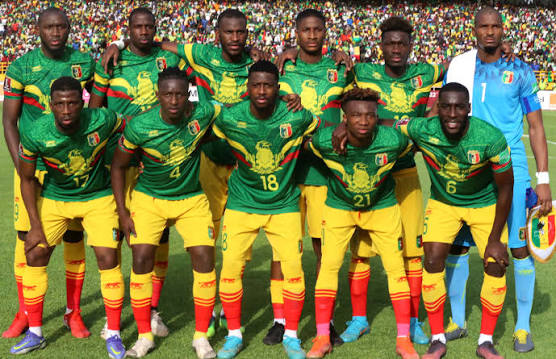
Now, after Mali’s elimination from the tournament in the quarter finals by Senegal with a 1-0 defeat, that same man is behind bars, accused of fraud and charlatanism after collecting the equivalent of tens of thousands of euros from hopeful fans.
The man, identified by local media and social networks as Mr Sinayogo, is alleged to have raised more than 22 million CFA francs, roughly €33,500, from supporters who believed his rituals and prayers would guarantee the national team’s triumph at AFCON. According to people who followed his activities online, he presented himself as a powerful intermediary between the spiritual and sporting worlds, capable of influencing results on the pitch.
Police in Bamako arrested him on suspicion of fraud and transferred him to the cybercrime division, a unit that increasingly finds itself dealing with scams that spread and gain traction on social media. Two videographers who visited him in custody reported that he was being held and questioned over the sums collected and the promises he made.
An official at the cybercrime division, speaking to reporters, underlined that Malian law does not treat such claims lightly. Charlatanism, the official said, is a criminal offence in Mali, particularly when it involves taking money from citizens on the basis of false promises of supernatural intervention. The law is designed to protect people from exploitation by those who trade on belief, desperation or cultural traditions for personal gain.
The official also acknowledged the political and social sensitivity of intervening while the national team was still in the competition. Arresting a man who had become a minor celebrity among some fans, in the middle of a tournament that grips the country’s emotions, would have been “difficult in the heat of the Africa Cup of Nations,” he said. Authorities waited until Mali’s exit to move in, a timing that has sparked debate about whether the state was wary of public backlash during the team’s campaign.
Sinayogo’s trajectory has added another layer of intrigue to the case. Before reinventing himself as a marabout, he was known locally as a political activist, active in public debates and online discussions. According to a social media content creator who knows him, he “proclaimed himself a marabout overnight and made a fortune.” That sudden transformation from activist to spiritual fixer has fueled accusations that his supposed powers were little more than a calculated business model built on football fever.
In Mali, as in many West African countries, belief in marabouts and traditional healers is deeply woven into daily life. They are consulted for everything from health and family issues to business decisions and, increasingly, football. Players, club officials and fans sometimes seek blessings, protective amulets or rituals they believe can tilt fortune in their favor. The line between cultural practice and criminal exploitation, however, is often contested and can depend on whether money changes hands and what is promised in return.
In this case, investigators are focusing on the financial dimension and the explicit guarantees reportedly made. According to accounts circulating online, Sinayogo did not merely offer prayers for the team’s success; he is said to have assured donors that Mali would win the tournament if they contributed to his rituals. The more money he received, he suggested, the stronger the spiritual backing for the Eagles, as the national team is known.
Supporters, already emotionally invested in the team’s campaign, responded. Contributions were reportedly collected both in person and via mobile money services, a common method of payment in the region. Videos and posts on social media amplified his message, portraying him as a man with rare powers and a direct line to the unseen forces that, in the popular imagination, can sway a match as surely as tactics or talent.
When Mali’s journey ended in the quarter finals, the mood shifted. What had been framed as a near-certainty of victory was suddenly exposed as an illusion. Disappointed fans began to question where their money had gone and what, exactly, they had paid for. The same online platforms that had helped build Sinayogo’s reputation now turned on him, with users demanding accountability and calling for his arrest.