Adire Proposal for NYSC Uniform Sparks Fresh Debate on Culture and National Identity
By Fathia Adewale
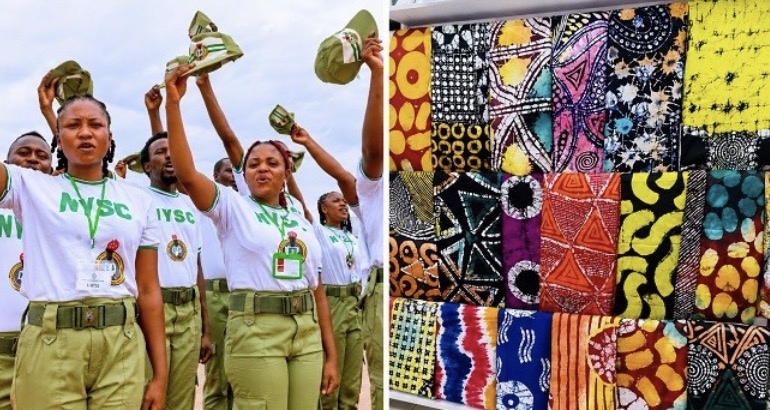
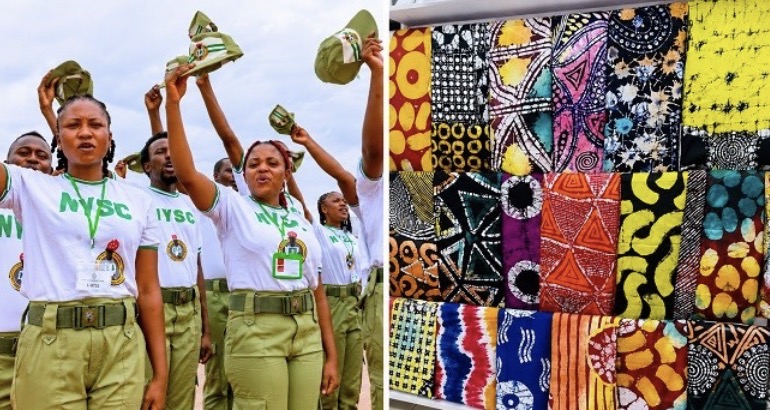
ABUJA, July 12, 2026 — A proposal to introduce Adire into the National Youth Service Corps (NYSC) uniform has ignited widespread conversations across Nigeria, drawing attention to the country’s cultural heritage, fashion industry, and the importance of promoting locally made products. Although the iconic khaki uniform remains unchanged, the proposal has inspired renewed interest in indigenous textiles and their place in national institutions.
The NYSC khaki has served as a symbol of unity, discipline, and national service since the scheme was established in 1973. However, the suggestion to incorporate Adire, a traditional hand-dyed fabric originating from southwestern Nigeria, has opened a new chapter in discussions about celebrating Nigerian culture through official symbols.
Many supporters believe the proposal could strengthen the local textile industry by creating opportunities for artisans, designers, and small businesses involved in Adire production. They also argue that adopting indigenous fabrics would encourage younger generations to value traditional craftsmanship while projecting Nigeria’s cultural identity to a global audience.
Not everyone shares the same opinion. Some Nigerians believe the khaki uniform should remain because of its historical significance and practical design, while others see room for innovation that reflects the country’s diverse cultural heritage. Government officials have clarified that discussions are ongoing and that no final decision has been reached regarding any change to the current NYSC uniform.
Beyond the debate, the proposal has highlighted the growing influence of African fashion in national development. As traditional fabrics continue to inspire modern designs, many believe Nigeria has an opportunity to celebrate its heritage while supporting local creativity.
Whether the proposal is eventually adopted or not, it has already succeeded in encouraging meaningful conversations about culture, identity, and the future of Nigerian fashion.